The Lusatian Sorbs and the deep connection to culture
Screenshot youtube.com
The lifestyle of the Lusatian Sorbs is characterized by a deep connection to their culture, their language and their homeland. It is a sense of belonging that has been preserved for centuries and is still alive today. The Sorbs, a Slavic minority in Europe, live mainly in Lusatia, a region stretching on the outskirts of the Czech Republic and Poland. herA feeling of life is a mixture of pride in their traditions, a strong community and a loving devotion to nature and its surroundings.
Rooting in tradition and culture
The Sorbian lifestyle is closely linked to its rich cultural tradition. They cultivate their customs, festivals and rituals with great devotion and joy. Whether it is the colorful Easter riding, where festively dressed horsemen move from village to village to announce the resurrection of Christ, or the traditional costumes worn at festivals and celebrations – the Sorbs livetheir culture with a special pride. These traditions are not only a reminder of the past, but a living part of their everyday life. They give the Sorbs a sense of identity and strengthen the cohesion within the community. The Sorbian language, spoken in two variants – Upper Sorbian and Lower Sorbian, with border dialects – is anothercentral element of your attitude towards life. It is not only a means of communication, but also an expression of its cultural independence. The Sorbs are actively committed to preserving their language, whether through teaching in schools, through literature or through the media. This linguistic diversity not only enriches the lives of the Sorbs, but also the entire region.
community and cohesion
Another formative feature of the Sorbian attitude to life is the strong sense of community. The Sorbs live in narrow, often village communities, where neighborhood help and solidarity play a major role. Festivals and celebrations are organized and celebrated together, and everyone contributes their skills and ideas. These close social ties create a feeling ofSafety and security, which is an important part of your life for many Sorbs. The family also plays a central role in the life of the Sorbs. The transmission of traditions, customs and values from one generation to the next is an important part of their culture. Children grow up with a strong awareness of their origins and learn from an early age to their cultureappreciate and maintain. This family connection contributes to the fact that the Sorbian identity remains alive in a modern, globalized world.
Love of nature and homeland
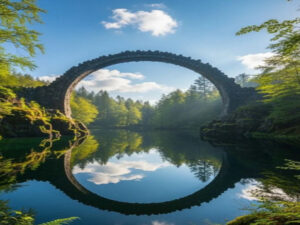
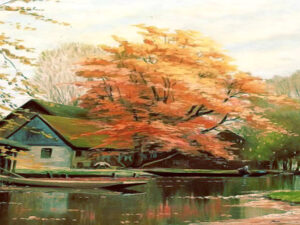
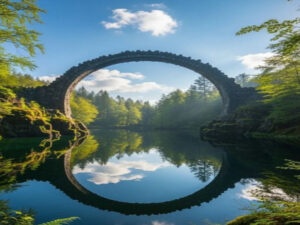
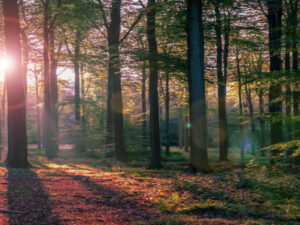
Lusatia is far more than just a scenic region – it is the cultural heart of the Sorbs, a Slavic minority with a centuries-old tradition. These people have lived in harmony with their surroundings for generations and shape the region through their unique language, customs and festivals. The wide forests and clear lakes of Lusatia do not formonly a breathtaking backdrop, but are also a source of inspiration and spiritual connection for the Sorbs. Traditional Sorbian villages with their lovingly maintained houses testify to a deeply rooted connection to home and a respectful treatment of nature. The protection and preservation of natural resources plays a central role in everyday life and in theculture of the Sorbs. Through their sustainable way of life, they make a significant contribution to the fact that the beauty of Lusatia is preserved – as a place where people and nature can coexist in a soothing balance. Lusatia becomes a living example of how cultural heritage and nature conservation can go hand in hand.

 Screenshot youtube.com