The Lusatian Sorbs House of the Schrotholzhaus – a lively cultural heritage
Screenshot youtube.com
In the Lusatian, a historical cultural landscape in eastern Germany, a unique construction has developed over many centuries, which still shapes the face of many villages today. The Sorbs, a Slavic minority with their own language and tradition, have created an architectural legacy with the Schrotholzhaus, which is far beyond the pure function of a residential buildinggoes out. This special design is at a turning point today, as modern building regulations are increasingly colliding with traditional construction methods. The question of whether and how this centuries-old building tradition can be preserved touches on profound topics of cultural identity and self-determination. The following text highlights the importance of these houses and the challengeswhich they face.
The atmosphere in front of a scrub house
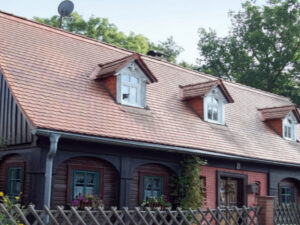
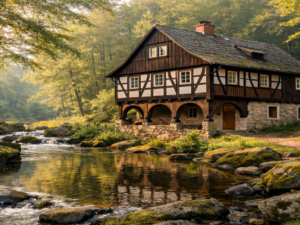
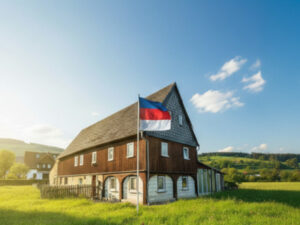
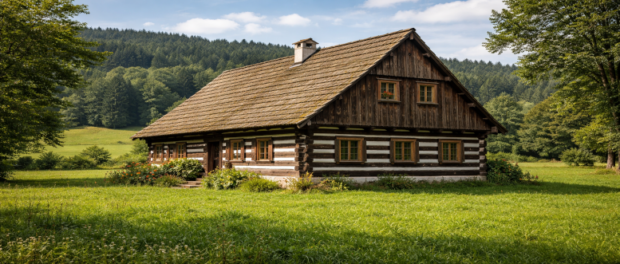
When you stand in front of such a house, you immediately capture a special atmosphere of consistency and connection to the past. The massive, horizontally layered logs look like a living structure that has grown over generations. You can feel the warmth that emanates from the dark wood that has developed a noble patina over time. the little onesWindows only let in dim light and create an intimate, secure atmosphere inside. The deep roof overhangs not only protect against weather influences, but also give the building a dignified silhouette.
The craftsmanship of the construction
The construction method does without nails and modern fasteners and instead relies on centuries-old craft knowledge. The carefully carved trunks fit together perfectly and form a stable construction without artificial aids. Each piece of wood was carefully selected and processed so that it fits perfectly in its place. this way of buildingRequires a deep understanding of the material and years of experience in handling the material wood. The craftsmen have passed on their skills from generation to generation and thus preserved a living cultural asset.
The aesthetics of dark wood surfaces
The dark wood surfaces radiate an originality that is hardly found in modern buildings. The wood has taken on a natural color over the decades, which is drawn by weather and time. Each screed tells its own story and shows the traces of processing by human hands. The craftsmanship details at corners and connections bear witness to the greatcare and attention to detail. This aesthetic is not a random result, but an expression of a conscious design tradition.
The cultural importance for the Sorbian community
For the Sorbs, these houses are far more than just residential buildings, they are an expression of their cultural identity. As an independent ethnic community with its own language and traditions, the Sorbs have closely linked their way of life with this form of construction. The Schrotholzhaus reflects the values and history of a people who have been rooted in this region for centuries.It is a visible sign that Sorbian culture not only lives on in songs and customs, but also in the way of building. These houses are thus an integral part of the Sorbian cultural heritage.
The Sorbs as a factual indigenous people
Many consider the Sorbs to be a factually indigenous people who have special rights to the preservation of their cultural identity. This identity is manifested not only in immaterial cultural assets, but also in the material culture of building. The way the Sorbs build their homes has grown over centuries and adapted to the regional conditions. thisConstruction is thus a living expression of their affiliation with this landscape. Preserving them means respecting cultural diversity and the rights of a historical people.
The emotional depth of homeland ties
When people realize that the Schrotholzhaus is not just a building, but an expression of belonging and home, a deep emotional connection is created. These houses represent a way of life that has developed over many generations and shapes the identity of the residents. They are witness to continuity that is becoming increasingly rare in the modern world. theLoss of this construction would not only cost architectural diversity, but also a piece of cultural soul. Therefore, the protection of these houses is of existential importance for many people.
The threat of modern building regulations
More and more people are worried that rigid building regulations could displace traditional construction methods. These regulations often make requirements that are not compatible with the historical construction and endanger the substance of the buildings. Modern standards have been developed for industrial construction methods and hardly take into account the peculiarities of traditional craftsmanship. the concernis justified that a people who have been building their houses according to their own rules for centuries could suddenly be forced to adapt to other specifications. This would irretrievably destroy the character of the grit house.
The conflict between industrial standards and craftsmanship
These regulations have often been developed from a perspective that prefers industrial standards and technical standards. The centuries-old craftsmanship of the Sorbs is hardly considered and appreciated in these regulations. An emotional burden arises when people realize that their traditional construction is classified as not in accordance with the standards. A people whoHaus built according to their own rules, is suddenly confronted with specifications that do not match the construction method or the cultural importance. This is perceived as an intrusion in cultural self-determination.
The intervention in cultural self-determination
Such regulations do not only represent technical hurdles, but also limit the freedom to build a house in the way the ancestors did. The emotional depth of this conflict is that it’s about more than just construction technology. It is about the right of a people to express their cultural identity in the built environment. When this freedom is restricted, feelIt looks like an attack on cultural dignity. The Sorbs do not want to preserve their traditions as museum objects, but continue as a living practice.
The right to traditional architecture
Many are convinced that the Sorbs, as a factually indigenous people, should have special rights. These rights should allow you to continue your traditional architecture without restrictive conditions. The construction is a living expression of your identity and must not be suffocated by bureaucratic specifications. A people who have preserved their culture for centuriesshould not be prevented from building his houses in the form that shaped his history. This is a matter of respect and recognition of cultural diversity.
Living tradition instead of museum objects
It is important that the Schrotholzhaus not only exists as a museum object, but also continues to exist as a lived tradition. Real villages and real families should be able to continue this construction method without being constantly confronted with official hurdles. The diversity of building culture must not be threatened by standardization, which would change the character of entire regions. culturalDiversity must remain visible in everyday life, in inhabited houses and living communities. This is the only way the culture remains authentic and sustainable.
The longing for a protective legal framework
Many people long for a legal framework that recognizes and protects the specialty of the grit house. Such a framework should allow exceptions that do justice to the cultural significance of this construction. The hope is that such protection not only preserves architecture, but also the dignity of a people. It’s not about nostalgia, but about the right tocultural self-determination. This right is also expressed in the way a house is built and how a habitat is created.
A piece of identity that needs to be preserved
A house with a shotwood is more than a building, it is a piece of identity that must not be suffocated by regulations. The soul of these houses must be understood and protected so that it will be preserved for future generations. It would be invaluable if the shotwood house as an expression of Sorbian culture was given special protection. Then future generations could not onlyRead about it, but experience and inhabit it. A people who have preserved their traditions should have the right to build their homes as their ancestors did.
respect and cultural dignity
This freedom would be a sign of respect, recognition and cultural dignity towards a historical people. The Schrotholzhaus is a living heritage that needs to be protected because it tells the story of a people. The Sorbs are at home in Lusatia and their identity remains inextricably linked to this unique construction. The protection of these houses is therefore also aProtection of cultural diversity as a whole. It is an obligation to the past and the future to preserve this heritage.
The traces of the craftsmen and the warmth of the wood
When you see the traces of the craftsmen who have worked on beams by beams, you can feel the connection to the people of the past. The warmth of the wood, which has aged over generations, conveys a feeling of permanence and security. These houses were not only built, they were lived and cared for with love. The connection between the sorbs and this construction isNot only functional, but deeply emotionally rooted. It is a symbol of community and cultural self-determination.
The importance for future generations
It is of great importance that these houses can continue to be built according to traditional methods. They are part of the identity of a people that does not want to lose its roots. The longing for the protection of the scrap wood house is also a longing for continuity in a rapidly changing world. When this construction method disappears, not only architecturalKnowledge, but also a piece of cultural memory. Protecting these houses is therefore an investment in the cultural future of the region.

 Screenshot youtube.com