The Lusatian wood architecture: tradition, identity and future of a unique construction method
The Lusatian wood architecture is much more than a craft heritage that becomes visible in the villages and towns of the region. It embodies a living expression of regional identity that has grown over the centuries, which is reflected in every single building, joint and roof beam. Every wooden house that shapes the landscape of Lusatia tells stories in its own wayof past generations, whose way of life was in close connection with the surrounding nature. People used the forests not only as a resource, but also as inspiration for their architecture. This resulted in an architecture that took into account both the need for protection of the residents and the respect for natural conditions. knowledge of the use and processing of woodwas passed on from generation to generation and constantly refined, resulting in a deep anchoring of the construction method in cultural memory. The houses are thus witnesses to a lifestyle that was characterized by mutual trust, a sense of community and the awareness of the cycles of nature.
Sustainability and regional bond through local materials
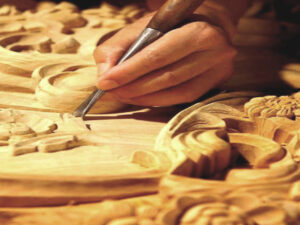
A central element of the Lusatian woodwork is the consistent use of wood from the immediate surroundings. This conscious decision has far-reaching effects, because it not only supports the local economic cycle, but also strengthens the feeling of connectedness with the homeland. Knowledge of the best woods, the right time of harvest and the gentleProcessing has been passed on for generations and forms an invaluable reservoir of experience. By using the wood from the surrounding forests, the ecological footprint is minimized and the sustainable use of natural resources is promoted. This construction method deeply anchors the awareness of ecological connections in people’s everyday lives. The houses reflect theRespect for the material wood, whose characteristics – from the grain to the fragrance – shape the feeling of living and convey a close proximity to nature. The care and maintenance of these buildings not only requires manual skills, but also an understanding of the interaction of climate, location and material. This makes the Lusatian woodwork art a symbol ofSustainable building that combines tradition and the present.
Architecture between functionality, aesthetics and consistency
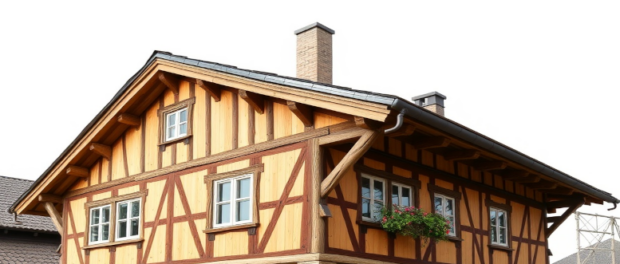
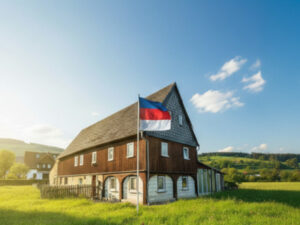
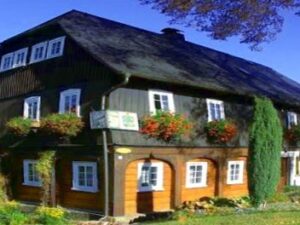
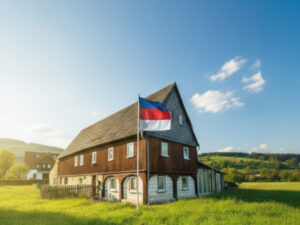
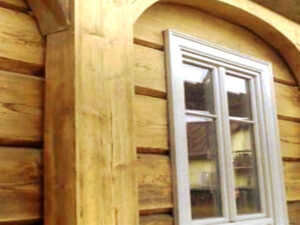
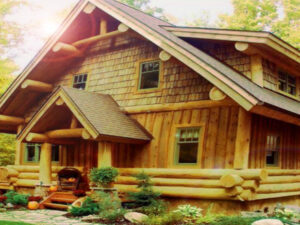
The architectural diversity of Lusatian woodwork is a reflection of centuries of experience and constant adaptation to the climatic and social conditions of the region. The log houses and dens, which are considered the epitome of the regional construction method, deserve special mention. The massive log houses offer a stable and compact constructionexcellent protection against cold, wind and weather. Here it becomes clear how functionality and longevity became central design principles. The surrounding area is another special feature: With its characteristic surrounding wooden frame, it enables large, open living spaces under a comfortable roof that offer a wide range of uses. The development andPerfecting of these designs was only possible through the traditional knowledge of the craftsmen, who knew how to make the most of the peculiarities of the wood. The careful selection of materials, the craftsmanship and the aesthetic sensitivity of the builders are visible in every detail. Combining traditional techniques with creative solutions means that theyHouses are not only functional, but also aesthetically pleasing and reflect the character of their surroundings.
Tradition and innovation in dialogue – the future of Lusatian wood construction
The Lusatian wood architecture is not limited to the past, but today stands at an exciting point of intersection between tradition and innovation. The special relationship between man and nature, which is manifested in the construction methods, is a starting point for the development of sustainable forms of living. The use of traditional construction methods and natural materials is moreAs a nostalgic review – it is an active contribution to the creation of sustainable living spaces that have grown up to the challenges of modern times. In Lusatia, where forests, meadows and villages have always shaped the picture, a deep awareness of ecological responsibility has established itself. This awareness is expressed in new initiatives that use modern technologies andCombine traditional craftsmanship. The cooperation between experienced craftsmen, creative architects and committed environmental scientists leads to innovative approaches that combine both economic and ecological advantages. Construction projects that combine traditional wood construction with modern energy efficiency, living comfort and creative diversity are being created,without losing respect for the traditional knowledge.
The dynamic heritage – woodwork art as a future project
The legacy of timber construction in Lusatia is a dynamic process that is constantly evolving and actively addressing social and technical change. While the deeply rooted traditions serve as a foundation, the craft businesses also open up to new challenges and creative ideas. the maintenance and restoration of historic buildings, the further developmentof construction forms and the integration of new materials ensure that the Lusatian woodwork art does not remain in the museum, but has a lively relevance for the present and future. This continuous renewal lies the special power of this construction, which is able to create identity, promote community and assume ecological responsibility. The Lusatian woodworkNot only remains a fascinating example of the interaction of nature, culture and craftsmanship, but also becomes a forward-looking model for sustainable building – rooted in history, open to the world of tomorrow.