Small cars are very popular among the population, as they are inexpensive, manoeuvrable and particularly practical in an urban environment. Nevertheless, their production is steadily decreasing due to increasing government regulations. Environmental regulations, safety regulations and stricter emissions limits mean that many manufacturers either take small cars out of their range or make them expensive.This development is in clear contradiction to the mobility desire of many citizens who see a form of independence and individual freedom, especially in smaller vehicles. For many, the car is more than just a means of transport – it symbolizes personal autonomy and flexibility in everyday life. Current policy, on the other hand, is primarily focused on environmental protection andRoad safety without adequately responding to the needs of people. The impression arises that the reason of state would like to gradually restrict or even prevent driving for broad sections of the population.
Buyers are increasingly faced with: to reconsider buying a car completely
This development leads to a paradoxical situation: while the demand for small, fuel-efficient vehicles is increasing, the producers take appropriate models from the market. Many manufacturers are increasingly relying on larger, more profitable vehicles, which often do not meet the requirements of strict environmental regulations. As a result, buyers are increasingly facing the choiceavoid inappropriate alternatives or even reconsider buying a car. The rising production costs and the associated economic risks mean that many companies act more cautiously and turn away from the production of small cars.
Historical development of the small cars
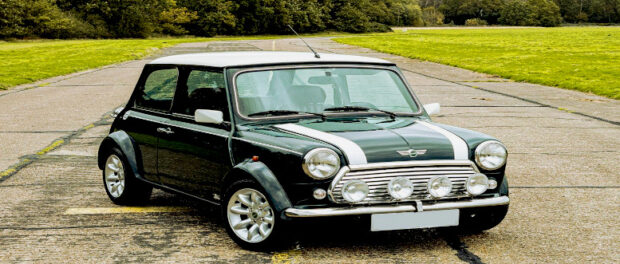
The roots of the small car can be traced back to the early 1900s when Ford took on a pioneering status with the Model T and made the automobile accessible to broad sections of the population. In the following decades, the small car experienced rapid development, characterized by innovations and adjustments to the needs of buyers. Pleased during the post-war periodModels such as the Volkswagen Beetle, Trabant and the British Mini are very popular because they were not only cheap to buy, but also embodied a certain lifestyle. In these times, the small car was considered a practical and economic means of transport, ideal for urban space and the mobility demands of people. The formulas for successThese early models seemed to be incessant, while not only providing mobility to consumers, but also conveying a sense of freedom and independence. However, this positive perception of their value has been heavily burdened in recent years by the changed market conditions.
The phenomenon of the small car paradox
The phenomenon of the small car paradox reveals the discrepancy between the state requirements and the actual need for mobility of the citizens. While small cars are still very popular, state regulations that often aim at environmental and road safety seem to inhibit their production and innovation. these regulations, often as necessary measuresTo promote sustainable mobility, the reality is ignored by many people relying on compact vehicles to ensure their independence and mobility in everyday life. Politics does not seem to do justice to the growing demands on mobility of the population; Instead, driving is increasingly unattractive for a wide range of people. thisIn the long term, development could lead to the feeling of freedom associated with driving a car dwindling. In the gap between state regulation and the will of the citizens, a profound field of tension is manifested, which shapes the social discussion about mobility and individual freedom.