The pickles from the Spreewald – A symbol of regional identity and culinary jewel
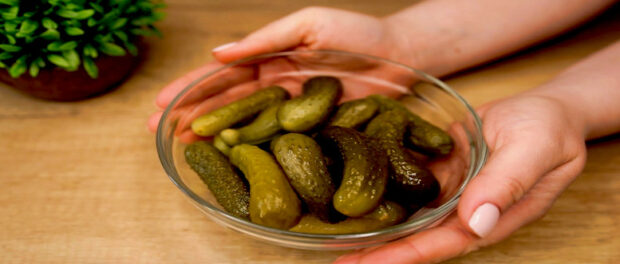
The pickles from the Lausitzer Spreewald are far more than a simple food. Today they are considered a real culinary asset and reflect the deep connection of the region with its traditions and unique landscape. The Spreewald cucumber is a symbol of the harmonious combination of nature, regional history and craftsmanship. herUnmistakable aroma and the crunchy bite are inextricably linked to the Spreewald and convey a piece of homeland that not only inspires locals, but also visitors from all over the world. This regional product has become an integral part of the identity of the Spreewald over the centuries and is a sign of how closely culinary traditions andthe peculiarities of the landscape are interwoven.
The natural conditions and the cultivation in the Spreewald
The unique quality of the sour cucumbers has its roots in the special natural conditions of the Spreewald. The cucumber plants benefit from a mild and humid microclimate that is created by the numerous rivers and canals. The soil in the Spreewald is particularly rich in nutrients and humus-contained, which, together with the ferrous water of the region, is the best prerequisites forthe growth of cucumber plants creates. The cucumbers are cared for and harvested traditionally with great care. The cucumbers are usually picked by hand so as not to damage their sensitive skin. This gentle harvest is a decisive step for the later quality of the cucumbers. The cultivation of the outdoor cucumbers is distributed in numerous fields in the Spreewald, with each plotproduces its own small peculiarities in the taste and appearance of the cucumbers. The interaction of climate, soil and water gives the end product a uniqueness that also finds national recognition.
Traditional production and the process of lactic acid fermentation
The production of the Spreewald sour cucumbers is a craft based on traditional recipes and generations of experience. After harvesting, the cucumbers are placed in large barrels, which can be made of either wood or plastic. The decisive factor is the brine, which is with fresh, clean water, a precisely matched amount of salt and a variety of regional herbsis scheduled. Dill is the central spice, but horseradish, garlic, mustard seeds and other ingredients also find their way into the barrel depending on the family recipe. The art of cucumber production lies in natural lactic acid fermentation, a process that takes several weeks. During this time, lactic acid bacteria convert the sugars contained in the cucumber into lactic acid. through thatThe cucumbers are not only preserved, but also maintain their typically sour-aromatic flavor profile. The fermentation process is a sensitive interplay of temperature, time and ingredients that requires a lot of experience and attention.
Health and nutritional aspects
The Spreewald pickles are not only a taste experience, but also offer numerous health benefits. Natural lactic acid fermentation creates probiotic cultures that support the intestinal flora and strengthen the immune system. In contrast to industrially produced pickles, which are preserved with vinegar and sugar, the Spreewald cucumbersNo artificial additives and preserve many of their natural vitamins and minerals. The vitamins A and C in particular, as well as minerals such as potassium, magnesium and iron, are particularly contained in the cucumbers and make them a valuable component of a balanced diet. The moderate salt content ensures that the taste remains harmonious and the product also ensures a consciousnutrition is suitable. The pickles are not only a luxury food, but also a natural food with added value for the body.
Craftsmanship and the secrets of family recipes
The tradition of cucumber production in the Spreewald is characterized by a large number of family businesses that pass on their knowledge and recipes over generations. The exact ingredients and the procedure when picking up are often treated as well-kept secrets. This helps each cucumber to have an individual character and the variety of Spreewald cucumber specialtiesis particularly large. In addition to the classic pickles, there are pickles, mustard cucumbers, cucumbers or chili cucumbers, each of which is created by special seasoning mixtures and special processing steps. This diversity reflects not only the creativity of the people in the Spreewald, but also the adaptability of the craftsmanship to new tastes and culinary trends.
Culinary use and social importance
Sour cucumbers have a permanent place in the regional cuisine of the Spreewald. They accompany traditional dishes such as jacket potatoes with quark, are served with sausage and cheese bread or refine hearty fish and meat dishes. The combination with sour herring in cream sauce is particularly popular, with the finely diced cucumbers giving the marinade a fresh touch. also asSnacks for in between or as part of a picnic are in great demand, because their refreshing taste is suitable for many occasions. The presence of the pickles at festivals and markets as well as in the menus of the regional inns shows how much they are integrated into the everyday life and the food culture of the Spreewald. In addition, they are a popular souvenir forVisitors and ambassadors of the region.
Protection of origin, marketing and tourist role
The term “Spreewald Gherken” is entered as a geographically protected indication and may only be used for cucumbers that are grown and processed in the Spreewald. This seal of origin not only guarantees the high quality and authenticity of the products, but also strengthens the regional economy and awareness of the importance of local food. many farm shopsThe cucumbers offer markets and online platforms in different variations, often fresh from the barrel and with a guarantee of freshness. The cucumber is also a figurehead for Spreewald tourism. Visitors can take part in guided tours in cucumber manufacturers, observe the manufacturing process up close, experience tastings or even help with pickling. Festivals like the cucumber festival inLübbenau celebrate the cucumber as a regional symbol with music, market stalls and culinary experiences that reflect the diversity and creativity of the Spreewald cuisine.
Conclusion: A piece of culture and a living tradition in the glass
The pickles from the Lusatian Spreewald are far more than pickled vegetables. They are a living testimony of regional history, craftsmanship and natural diversity. Their taste tells of the special conditions of the Spreewald, the care of their producers and a long tradition that is still cultivated with great dedication to this day. Who the Spreewaldvisited, the opportunity should not be missed to try a real pickle and thus experience a piece of lively culture and history that goes far beyond culinary enjoyment and reflects the special identity of this unique region.