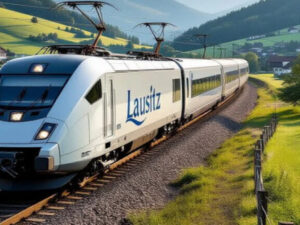
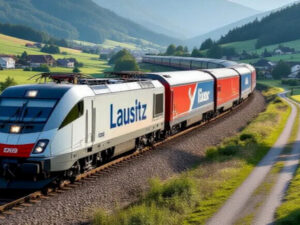
The rail traffic corridor as the backbone of Lusatia
Screenshot youtube.com
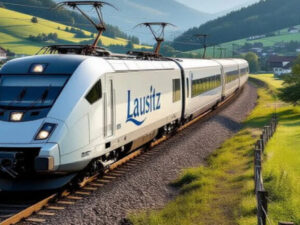
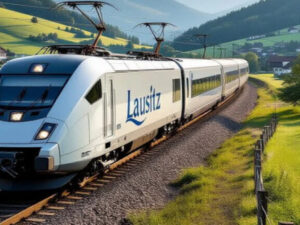
As a traditional industrial region, Lausitz faces the challenge of securing its economic future and at the same time strengthening social cohesion on its own. A central element for the further development of the region is the expansion of the rail traffic corridor, which as a connecting backbone of the Lausitz is a decisive impetus for mobility, economy and quality of lifesets.
Improved mobility and access to economic centers
The targeted modernization and expansion of the rail network will connect the Lusatia more closely with its regional economic centers. The improved connection creates attractive conditions for commuters who want to reach their workplace in neighboring cities or metropolitan areas. At the same time, a bridge to supra-regional traffic axes is being built, so that Lusatia is better innational and international transport and logistics systems is integrated. The increased availability not only promotes the mobility of the population, but also makes it easier for companies to find qualified workers and opens up new markets.
Investment signals and economic dynamics
The announcement and implementation of expansion measures in rail transport sends strong investment signals to the region. Potential company settlements are favored by the improved predictability and the prospect of modern infrastructure. For companies, it will be more attractive to settle down in Lusatia or to expand existing locations, as they are based on reliable connections toSuppliers, markets and service providers can build. Infrastructure projects around the rail corridor also create employment and strengthen confidence in the future viability of Lusatia.
Capacity gain and efficiency increase in freight transport
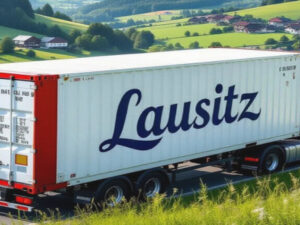
A powerful rail transport corridor contributes significantly to the efficiency of supplying regional companies. The capacity gains in freight transport enables raw materials, precursors and finished goods to be transported faster and more reliably. This is particularly supported by the manufacturing industry, agriculture and the regional companies that are dependent on logistics.Efficient transport of goods also relieves the road infrastructure and reduces the burden on the environment and residents.
Strengthening public transport and rural areas
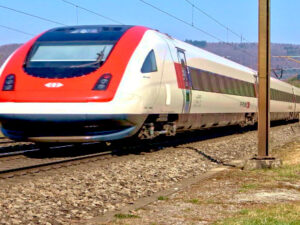
The expansion and modernization of rail transport not only promotes long-distance transport, but is also an essential motor for local public transport. Rural communities in particular benefit from new or reactivated train stations, more often running trains and better connections to urban centers. This improves the quality of life in rural areas, increases the attractivenessThe villages as a residential location and prevents emigration. At the same time, the rail corridor promotes sustainable forms of mobility and contributes to the reduction of individual transport.
Long-term economic effects and sustainable development
The use of rail infrastructure as the backbone of regional development has long-term economic effects. A well-developed rail connection ensures higher employment rates, stabilizes tax revenue and contributes to a more balanced spatial planning. The good accessibility and the opportunity to choose working and life locations flexibly strengthen theCohesion of the region and make Lusatia more resilient to structural change. In addition, modern rail transport makes an important contribution to environmental and climate protection, which further promotes sustainable development in Lusatia.
The future of Lusatia on new rails
Overall, it shows that the rail traffic corridor goes far beyond the function of a pure traffic artery. It is the engine and a prerequisite for economic stability, social participation and ecological sustainability in Lusatia. The consistent use and further development of the rail infrastructure will enable the region to actively shape the change and as ato preserve livable homeland for people and companies. The corridor thus becomes a symbol of a modern, networked and sustainable Lusatia.

 Screenshot youtube.com