The Raspberry mini computer PI as a thermal imaging camera
Screenshot youtube.com
The well-known mini-computer Raspberry Pi, which is particularly valued for its flexibility and versatility, can also be used in a very special function: namely as a highly developed thermal imaging camera. This special application makes the small computer an extremely useful tool in areas such as safety, research, nature observation or even healthcare.The entire apparatus that is built for this purpose is designed according to a specific model based on the famous American Apollo space missions. These space missions have laid the foundation for many modern technical developments with their groundbreaking technology and innovation, and so the thermal imaging camera is also a tribute to thempioneering achievements.
Design and inspiration: Following the example of the Apollo missions
The thermal imaging camera design is strongly inspired by the technical concepts and the aesthetics of the Apollo missions. The entire apparatus is reminiscent of the futuristic devices developed in connection with space travel and thereby imparts an impression of advanced technology and innovation. The so-called “Apollo microwave detector” is particularly strikingwho bears the name and immediately catches the eye with his bizarre-futuristic appearance. Although the name is a bit unusual, this device is a fully functional thermal imaging camera that can capture and visualize accurate thermal images. The construction is designed to be impressive both functionally and visually and to the technicalprogress in space technology.
Functionality and color visualization: heat radiation made visible
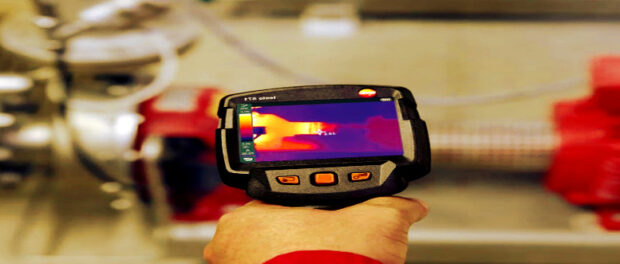
The heart of this thermal imaging camera is the ability to visualize the different heat radiation. The different temperatures that are given by people, animals or objects are displayed in different colors. Warm areas appear in warm shades like red, orange or yellow, while cooler zones appear in blue or green tones.This colored visualization allows the user to see at a glance which areas of an object or a person radiate which heat or cold. This function is particularly useful in practice, for example to identify heat losses in buildings, in medical diagnoses or technical error analysis.
Ease of use and intuitive operation
Another advantage of this thermal imaging camera is the extremely user-friendly design of the operation. The handling is structured intuitively that it is practically self-explanatory. Even for people without special technical knowledge, the operation is possible without any problems. The device has simple controls that allow for quick setup and use. the clearMenu navigation and the understandable instructions make it possible to start the measurement immediately without lengthy induction. This thermal imaging camera is therefore suitable for professional users as well as for hobbyists who are enthusiastic about the technology.
Reproduction and technical feasibility: A futuristic technique for imitation
Despite the futuristic-looking design and the complex-looking technology, this thermal imaging camera can be reproduced without any problems. Thanks to open blueprints, understandable instructions and the availability of all the required components, the entire technology can be recreated relatively easily. This makes the project particularly attractive for technology enthusiasts, makers, pupils or students,who are interested in space technology and modern measurement technology. The replica is not only an exciting challenge, but also a practical way to learn more about thermal imaging technology, sensor technology and electronics.
Innovation and Reproduction in a fascinating project
In summary, the use of the Raspberry PI as a thermal imaging camera represents an impressive combination of innovation, technology and nostalgia. Inspired by the groundbreaking Apollo missions, this project offers a fascinating opportunity to recreate and use modern technology. The color visualization of the heat radiation, the intuitive operationAnd the easy replica makes this application a special highlight for technology enthusiasts and interested parties alike. This project combines the past of space travel with the possibilities of today’s microcomputer technology and thus opens up exciting perspectives for future applications.

 Screenshot youtube.com