The Red Deer as a designer of the Lusatian Forests
Screenshot youtube.com
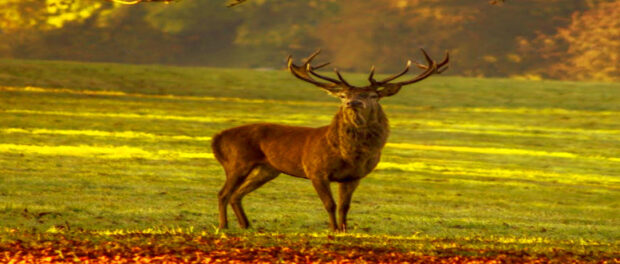
The discussion about the red deer in the Lusatian forests is closely linked to the question of the future and the preservation of this unique cultural landscape. Through its natural behavior, especially grazing and scratching, the red deer creates light forest structures that offer a habitat for numerous plants and animals. This creates open areas and light forest areas thatFavoring biodiversity and counteracting the monotony of dense coniferous forests. The red deer thus takes on an ecological key role and makes a significant contribution to the dynamics and diversity of the Lusatian forests.
Symbolic power and identity
In the cultural perception of Lusatia, the red deer stands for much more than just a wild animal. It is considered a majestic symbol of untouched nature and is considered the epitome of Lusatian identity. His proud appearance, the impressive antlers and his mysterious behavior are not only fascinated by nature lovers, but also characterize the self-image of the region. theRed deer stands for a connection between wilderness and cultural landscape, between tradition and modernity, between nature and man.
Myths, legends and artistic inspiration
For centuries, the red deer has been part of the Lusatian world of legends. In myths and stories, he appears as the guardian of the forest or as a messenger of mysterious powers. These stories are passed on from generation to generation and find their place in narrative circles and regional festivals. The fascination for the red deer is also reflected in art. in paintings, sculptures andHe appears again and again as a symbol of the sublime and original. The occupation with the red deer inspires artists and authors who choose him as a motif for their works and thus make the special relationship between humans and animals visible in Lusatia.
Hunting tradition, crafts and rituals
The red deer is not only a motif in the art and legend world, but also a formative factor in the regional hunting tradition. The deer hunt has shaped manual techniques, culinary arts and social rituals for generations. The processing of the venison, the preparation of traditional dishes and the joint celebration after the hunt are integral parts of the Lusatian culture.Historical cherries, i.e. targeted feeding places, testify to the close cooperation between humans and animals and combine cultural landscape maintenance with sustainable use of natural resources. These traditions are not only an expression of conscious interaction with nature, but also strengthen the social structure in rural communities.
Nature experience and awareness-raising
The encounter with the red deer in the local forest remains an unforgettable experience for many people. Deer sightings arouse interest and appreciation for nature and promote awareness of the importance of intact forests. The red deer thus becomes the ambassador of the Lusatian landscape and helps to keep the knowledge of the local flora and fauna alive.Observing nature, guided tours and educational offers around the deer are important components of nature-related tourism and create access to the regional natural and cultural landscape.
The cultural importance in the present
The current discussion about the role of the red deer in the Lusatian forests is a reflection of the changes in society and the environment. The red deer is at the center of a tension between nature conservation, sustainable forestry and traditional use. However, his symbolic power remains unbroken. In the present, old stories, artistic representations are combinedAnd living hunting traditions into a multifaceted picture that shows how closely nature, culture and identity are interwoven in Lusatia. The fascination for the red deer and his work in the landscape will continue to provide impetus for new stories, discussions and artistic debates in the future, so that he remains a central element of the Lusatian culture.

 Screenshot youtube.com