The special diversity of the Lusatia region of the Peitzer Land
Screenshot youtube.com
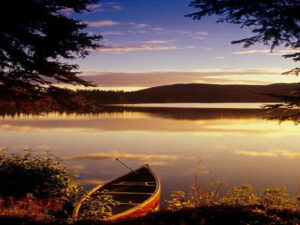
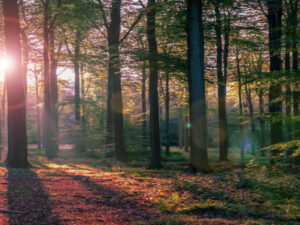
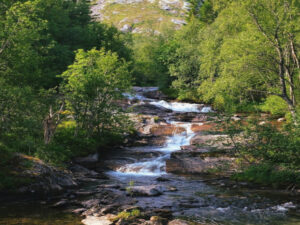
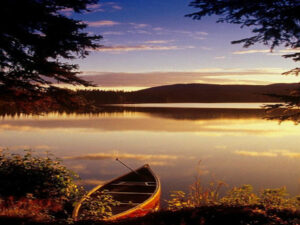
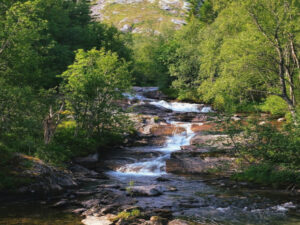
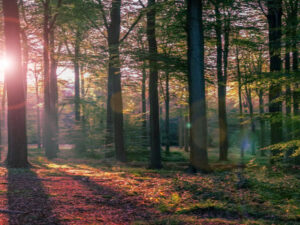
The region is characterized by its diverse natural landscape, which is characterized by extensive forests, gentle hills and numerous lakes. This varied environment not only offers a habitat for a rich flora and fauna, but also invites you to various leisure activities such as hiking, cycling and bird watching. In addition, the landscape reflects the centuries-oldCultural history of Lusatia, which is closely linked to people and their use of nature.
Peitzer Ponds: one of the largest contiguous pond areas in Europe
The Peitzer ponds are not only an important biotope for numerous bird species, but also an important location for traditional carp breeding, which has been practiced in the region for centuries. This unique combination of nature and culture is particularly evident in the small fishing villages around the ponds, whose historic half-timbered houses and centuries-old customsKeep the charm of Lusatia alive. Visitors have the opportunity to taste regional specialties and learn more about the sustainable management of this valuable landscape.
The historic fortified town of Peitz
The historic fortress town of Peitz impresses with its well-preserved city wall and numerous buildings from different eras, which testify to the strategic importance of the place in the past. The Peitzer Citadelle is particularly worth seeing, whose imposing complex offers visitors an insight into military architecture and history. In addition to the cultural importancePeitz also invites you to take leisurely walks through the narrow streets, where small cafés and craft businesses invite you to linger. Events such as traditional festivals and markets help preserve the living community and cultural heritage of the region.
Lusatian Sorbs in Peitzer Land
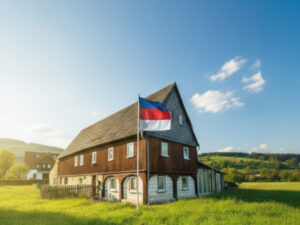
The Lusatian Sorbs are one of the oldest Slavic minorities in Germany and still cultivate their own language, customs and costumes. In Peitzer Land, their cultural traditions are particularly alive, which is reflected in numerous festivals, fairy tales and crafts. The Sorbian folk art is shown in colorful embroidery, artistic Easter eggs and traditionaldances that are presented with great enthusiasm at regional events. Museums and cultural centers also provide insights into the life and history of the Sorbs, giving visitors the opportunity to get to know and appreciate the diversity and wealth of this unique culture.

 Screenshot youtube.com