The Subjection from the Imperial Time to the Present
Screenshot youtube.com
In the imperial period, the concept of subtlety experienced intense semantics and distribution, which was deeply rooted in society and affected different areas of life. This period was characterized by a strict hierarchy thinking that dominated both political and social structures. In the cities and in the country, loyalty to that wasMonarchs are a central part of identity, and subtlety was praised as a virtue that implied not only obedience but also an exemplary character. The influence of this way of thinking also extended to interpersonal relationships, which allowed a normative picture of loyalty and respect to create fear of disobedience.
Political repression and its impact on the subject mentality
The impact of this mindset was not only limited to the relationship between monarch and subjects, but also pervaded everyday interactions within society. Especially in rural areas where education and tradition were closely intertwined, family structures and community ties had a significant impact on the understanding of sub-efficacy. thereit was taken for granted to respect authorities and to put aside their own opinion in favor of the collective. This imprint often led to the inner turmoil of the individuals, who stood between the desire for personal development and the responsibility towards their fellow human beings. In addition, a kind of state religion played a decisive role byobediently represented as a virtue-intentional virtue and thus increased the acceptance of hierarchies. These cultural norms created a climate of fear of disobedience, which in turn resulted in deeper rooting of the cadaver obedience. In this way, not only social tensions were intensified, but also a diabolical cycle of dependency and adaptation developed, which the search forincreasingly difficult for individual freedoms.
State and State quota: uncritical subordination and carcasses obedience
In the historical context from the imperial period to the present, a remarkable continuity can be seen in the understanding of the civil service state and the associated state quota of around 50 percent. This structure not only promotes uncritical subordination, but also a deeply rooted concept of cadaver obedience. This system often shows a pronouncedUnderstanding of the civil servants towards the population. Instead of acting as a service provider, many officials tend to put their authority over the citizens, which leads to a certain idea of lawless citizens – a wishful thinking that often finds its way into the heads of many civil servants. This dynamic not only leads to a loss of individualself-determination, but also to the preservation of a system that is characterized by immobility and resistance to reform. It is this deeper historical connection that makes critical reflection on the state of civil servants and its impact on society particularly relevant.

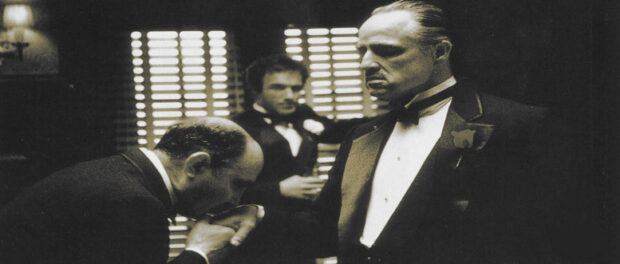 Screenshot youtube.com