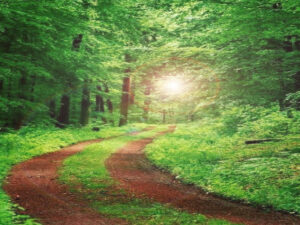
Tourism in the Lausitzer Spreewald: A chance for nature and community
Screenshot youtube.com
The Lusatian Spreewald, a fascinating landscape, characterized by a widely ramified network of rivers, ancient alluvial forests and picturesque scattered settlements, forms a unique natural paradise in the heart of Lusatia. This enchanted area, criss-crossed by numerous watercourses, green meadows and idyllic villages, is far more than an insider tip for nature lovers – it isAn ecological, cultural and economic treasure that should be discovered and developed in a careful way. The targeted promotion of tourism in the Spreewald offers a great opportunity to bring the beauty and special features of this region closer to a wider audience, to increase the quality of life of the residents and to strengthen the community in the long term.
The uniqueness of the Spreewald: landscape, nature and cultural heritage
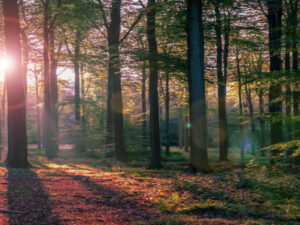
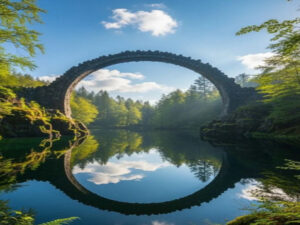
The Spreewald impresses with its natural diversity and the harmonious coexistence of man and nature. Over the centuries, a unique network of rivers, canals and wetlands emerged here, which offers habitat for a large number of rare plant and animal species. The typical Spreewald houses with their thatched roofs, the well-kept cottage gardens and the small ones, fromA water-poor villages give the region a special charm. But the Spreewald is not only a scenic jewel – it is also rich in traditions, customs and culinary specialties such as the famous Spreewald cucumbers, which reflect the cultural heritage of the region.
Sustainable tourism: protection of nature and new perspectives
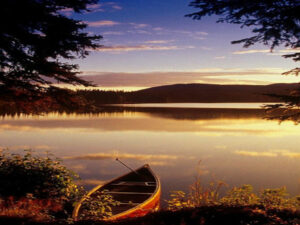
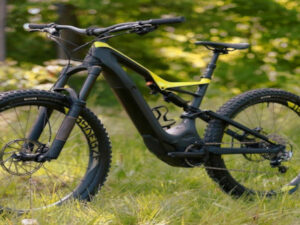
In order to maintain this sensitive balance between nature and human use, a well thought-out and sustainable promotion of tourism is required. Sustainable tourism means creating offers that both protect the environment and enable authentic experiences for visitors. Guided canoe tours through the quiet river, long bike tours along the bestSignposted paths or special nature experience programs that offer insights into the flora and fauna of the Spreewald are attractive alternatives to mass tourism. At the same time, habitats are protected, threatened species are promoted and awareness of the uniqueness of the region is raised. Modern information centers and innovative educational opportunities could allow visitors toRaise connections and promote responsible interaction with nature.
Economic impulses: regional value creation and new jobs
The targeted development of tourism in the Spreewald offers the regional economy considerable opportunities. Local farms – from traditional inns and small hotels to crafts and family businesses – benefit from the additional guests and the associated demand. The marketing of regional products, such as fresh vegetables,Fish specialties or elaborately manufactured goods opens up new sources of income and contributes to increasing the added value in the region. At the same time, new jobs are being created, for example in gastronomy, in tourism management or in the event area. The Spreewald can position itself as a role model for an innovative, sustainable regional development in which ecological andeconomic interests are reconciled.
Community and cohesion: cultural life and cooperation
Tourism projects can act as a driving force behind the villages and communities. Joint events such as traditional festivals, markets, art exhibitions or music festivals not only offer guests attractive offers, but also promote cohesion and the sense of togetherness among the residents. The exchange of ideas, planning joint initiatives and the commitment toThe region strengthens the self-confidence and the identity of the Lusatian communities. In addition, the cultural heritage remains alive when old handicraft techniques, customs and regional stories are passed on to new generations and interested guests.
Challenges and opportunities: Responsibly into the future
The further development of tourism in the Spreewald requires a careful balance between growth and nature conservation. It is important to avoid overuse and environmental pollution, carefully expand the infrastructure and to take into account the needs of the residents. Innovative concepts that rely on gentle mobility, resource conservation and visitor guidance can have a role model here.Cooperation with scientific institutes, the integration of modern technologies and the use of digital information offers could establish the Spreewald as a model region for responsible tourism.
Conclusion: The Spreewald as a motor for a lively and sustainable Lusatia
The promotion of tourism in the Lausitzer Spreewald is much more than a purely economic strategy. It is an invitation to discover the extraordinary beauty and diversity of the region, to strengthen the economy and to let the community grow together. With a sustainable, well thought-out approach, the Spreewald can become a role model for other regions looking fornew ways to combine nature, culture and quality of life. With the Spreewald, Lusatia has the potential not only to inspire visitors, but also to create a liveable, sustainable home for its residents – in harmony with nature and in the spirit of shared responsibility.

 Screenshot youtube.com