Using WhatsApp on a Raspberry PI not only opens up new possibilities for communication, but also a fascinating playground for technology enthusiasts and developers. The combination of WhatsApp’s ease of use and the flexibility of the Raspberry PI allows to develop creative solutions that go far beyond standard usage. Whether asPrivate news center, as an automated notification system or even as an interface for IoT projects – the approaches are almost unlimited. Anyone who deals with this technology can not only create practical applications, but also gain deeper insights into the functionality of modern communication technologies and at the same time their programming skillsexpand.
WhatsApp Ways on a Raspberry Pi
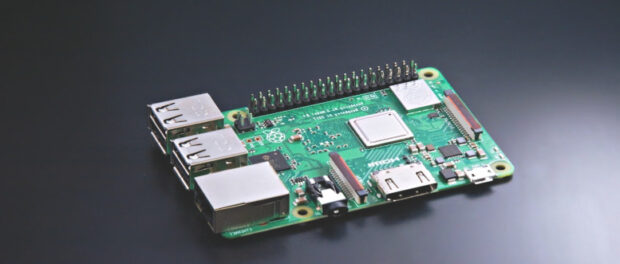
To explore the fascinating possibilities of WhatsApp on a Raspberry Pi, you need a basic understanding of the hardware and software behind this small but powerful computer. The Raspberry PI offers a variety of models that can be selected according to project requirements. With a suitable Linux distribution and the installation of thenecessary libraries and packages can begin programming. Combined with libraries like YowsUp, which allows a connection to the WhatsApp network, a whole world of functionalities opens up – from simple bots that send automated responses to complex applications that collect data and provide interesting insights about communication patterns. byProgramming in languages like Python can be developed server clients that interact directly with the WhatsApp API and integrate seamlessly into existing systems.
Use of WhatsApp Web as an alternative
A key element in the programming of WhatsApp applications on the Raspberry PI is understanding the WhatsApp API and its features. It is important to deal with the various endpoints that make it possible to send, receive and retrieve user information. The API offers numerous opportunities for interaction, and through theUsing webhooks can even integrate real-time notifications to respond to incoming messages immediately. In addition, experimenting with the community’s libraries and frameworks opens up new perspectives to develop creative solutions. The variety of tutorials and support resources on the Internet makes it easier to get started, so that both beginners andexperienced developers can work on their projects. In combination with other technologies such as Docker or Node.js, efficiency can be increased not only, but also the maintainability and scalability of the applications significantly.