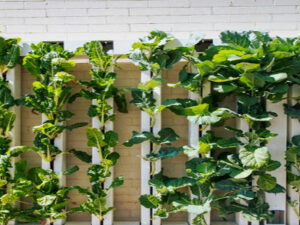
Raised beds are extremely popular in today’s garden design and are appreciated by numerous garden lovers and hobby gardeners. Not only are they extremely practical, they also offer numerous advantages that make the care and growth of plants much easier. One of the most important reasons for their popularity is the ergonomic working height, which allows for comfortable andWorking in the garden back-friendly. This elevated position protects the gardener from back pain and fatigue, which often occurs when bending over or kneeling in traditional horticulture. In addition, raised beds offer the advantage of protecting the plants from unwanted vermin and pests, which significantly improves the health of the plants. In addition, they allow oneTargeted and controlled use of soil and substrates, so that the supply of nutrients can be optimally tailored to the needs of the plants. Due to these advantages, raised beds are an extremely attractive solution for any garden that is not only functional but also visually appealing.
The importance of organic layering: compost and woodcut in raised beds
A crucial aspect when creating a raised bed is the correct integration of organic materials such as compost and woodcut. These ingredients are essential for healthy and sustainable plant development. The conscious layering of the raised bed achieves a balanced drainage, avoiding waterlogging and protecting the roots from rot. at the same timeThis layering also maximizes the nutrient potential, as organic materials release important nutrients during their decomposition. Compost provides a wide range of essential nutrients, trace elements and micronutrients, which are essential for vigorous plant growth. The organic material also promotes the activity of soil living beings, which means that soil life isoverall is strengthened. This lively soil fauna in turn helps to improve soil structure and fertility, which promotes the health and resistance of plants in the long term. Therefore, the targeted use of compost and woodcut is a central part of a successful raised bed.
Layering of the raised bed: structure for optimal nutrient supply
A well-designed raised bed consists of several specifically chosen layers that together create an ideal environment for plants. The lowest layers consist of woodcut, coarse branches or branches, which serve as the basis for a stable drainage layer. This layer ensures that excess water can drain off and the roots are not in the water. This is followed by aLayer of foliage, green waste or other organic waste that acts as a natural drainage. Over time, these materials slowly decompose and release valuable nutrients, which means that the plants are continuously supplied with fresh food. During this decomposition process, soil life is also activated, which permanently improves soil quality. in theThe top layers of the raised bed are a mixture of medium-heavy soil, high-quality compost and organic material. This layer acts like a natural fertilizer that increases soil fertility and optimally shapes the growing conditions for the plants. The microorganisms that live in this layer ensure a functioning soil ecosystem. You provide importantMacro and micronutrients promote nutrient absorption by the plants and contribute to a healthy and vital soil overall.
The combination of soil life and organic substance for healthy plant growth
Active soil life plays a crucial role in the development of a robust and resistant plant population. Microorganisms such as bacteria, fungi and other soil organisms decompose organic matter, which allows the release of vital nutrients. These living beings create a complex and living ecosystem in the soil that plants with a richsource of food supplied. The combination of compost, woodcut and soil ensures a stable and nutrient-rich environment in which the plants can thrive. The constant decomposition and the activity of the soil organisms also ensure a loose, well-ventilated soil layer, which offers the roots optimal growth conditions. This sustainable and natural method ofSoil maintenance is crucial for the long-term productivity of the raised bed and for the health of the plants, as it supports and promotes the natural circular economy in the garden. Overall, the interaction of organic stratification, active soil creatures and targeted nutrient supply contributes to a vital and resistant garden ecosystem.

 Screenshot youtube.com