Why ILO Convention 169 should revolutionize building regulations for shotwood houses
Screenshot youtube.com
The construction of shotwood houses could experience a fundamental transformation, and not just because of the architectural orientation. The focus is on the ILO Convention 169, which not only protects the rights of indigenous peoples, but also has far-reaching implications for the construction industry. Here it is examined how this convention influences the foundations for sustainable building andwhat adjustments to existing building regulations are required to preserve the tradition and advantages of shotwood houses.
Why ILO Convention 169 is important for shotwood houses
The ILO Convention 169 has the potential to fundamentally change building regulations for shotwood houses. This standard promotes the involvement of indigenous communities in decision-making processes that affect their traditional construction methods. Shot-wood houses, which are often built from locally available resources, face challenges from modern building regulations that are often notwhose specific circumstances are coordinated. The Convention places a clear focus on protecting cultural identity and agricultural practices of these communities, which requires adaptation of building regulations. In particular, the consideration of ecological and social aspects when approving construction projects should come to the fore. This couldlead to the promotion of traditional building practices that are consistent with the historical values of indigenous peoples. Such a reform would not only strengthen the legal status of the indigenous population, but also contribute to the preservation of cultural heritage and culture.
The ILO Convention 169: An overview of content and goals
ILO Convention 169 represents an important step in promoting the rights of indigenous peoples in the context of building. With the aim of preserving cultural identity and traditions, it is emphasized that their needs and knowledge in planning and execution of construction projects must be taken into account. This convention calls for a real participation of the indigenous communities, whatis of great importance for the construction of shotwood houses. Traditional materials and techniques should be protected and promoted, which means that building regulations must be adapted to the specific requirements. This not only enables a more sustainable construction method, but also contributes to the preservation of cultural heritage. The interactions between the regulations and theIndigenous practices thus create a new situation in which both the construction industry and the communities benefit. Compliance with these guidelines could significantly increase the acceptance and quality of shotwood houses and ensure that traditional construction methods remain sustainable.
Schrotholzhäuser: Traditional construction and its advantages
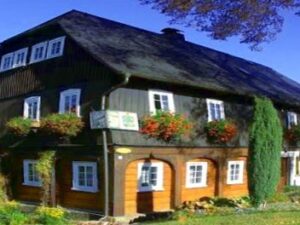
The traditional construction methods of shotwood houses offer numerous advantages, which are often neglected in modern architecture. This construction method is characterized by its use of regional, renewable raw materials, which is not only ecologically sensible, but also creates a close connection to nature. In addition, shotwood houses have some thermally insulatingFeatures that contribute to a high level of living comfort and minimize energy consumption. In addition, this construction promotes the preservation of traditional craft techniques and strengthens the local economy. The integration of these aspects into the current building regulations could help to increase the appreciation of this sustainable construction method. The application of traditional practices inCombination with modern standards could also offer innovative solutions to the challenges of building in harmony with nature. Therefore, adapting the regulations is essential in order to exploit the full potential of this sustainable construction method.
The need for adjustment of building regulations for shotwood houses
The adjustment of building regulations for shotwood houses is of great importance in order to do justice to the special features of this traditional construction. By taking local conditions into account and the special requirements of the raw material wood, sustainable building practices can be promoted. The ILO Convention 169 provides a framework that covers the rights of indigenous peoplesrespected and integrated their traditional knowledge into modern construction practice. This creates a valuable basis that not only takes ecological aspects into account, but also strengthens cultural identity and local expertise. In addition, the inclusion of this knowledge can lead to innovative solutions that meet the requirements for energy efficiency and sustainability. aRevision of the current regulations could help to increase the acceptance and distribution of shotwood houses. In view of the growing demand for environmentally friendly construction, it is essential to design the legal framework conditions accordingly and thus pave the way for a sustainable construction method.
How the ILO Convention 169 strengthens the rights of indigenous peoples
The ILO Convention 169 is of great importance for the preservation of the rights of indigenous peoples, especially in the context of building with traditional materials such as grit wood. This convention recognizes the right of indigenous communities to preserve and promote their own cultural practices and ways of life. By implementing these standards, building regulations forshotwood houses are adapted to meet the specific needs and traditions of these communities. This not only promotes the preservation of valuable cultural techniques, but also protects access to resources and agricultural soil. The ILO Convention is thus an instrument that not only affects the social and economic conditions of indigenous peoples.but also contributes to the creation of a legal framework within which these groups can develop their construction methods and practices without discrimination. More attention to these guidelines could enrich and diversify the construction industry considerably.
Potential ILO Convention 169 Impact on Construction Industry
The ILO Convention 169 could bring far-reaching changes to the construction industry, especially in the area of the shotwood houses. This traditional construction is currently undergoing a renaissance, as sustainability and environmental awareness are becoming more and more important. By adapting the building regulations to the principles of the convention, not only the protection of culturalpromoted the identity of indigenous peoples, but also initiated innovative building practices. This could lead to a stronger integration of local materials and techniques, which offers both ecological and economic benefits. In addition, compliance with the ILO Convention could lead to an improved legal framework for construction companies in the long term, which wouldand respectful handling of indigenous knowledge. The construction industry would thus face the opportunity to reorient itself and set sustainable standards that ultimately also have a positive effect on end consumers.

 Screenshot youtube.com