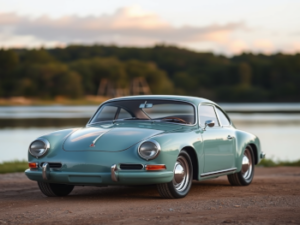
Owning older cars is far more than a purely practical matter for many people. Historical vehicles are cared for with dedication because they keep memories alive, embody craft traditions and make the owners’ personal commitment visible. Each car tells its own story, is closely related to individual stages of life, experiences and experiencesconnected. The emotional attachment to such a vehicle can be so strong that it shapes the everyday life of the owners and enriches their identity. The pride of driving a well-preserved or lovingly restored automobile is often openly carried out and is part of a special appreciation for technology and the past.
Robust technology and suitability for everyday use
Older cars are characterized by a robust and often easy-to-maintain technology. In contrast to modern vehicles that rely on complex electronics, many components are freely accessible and enable uncomplicated repairs. This technical manageability makes it easier for owners to carry out necessary maintenance and repairs themselves. The joy of screwing and the feelingBeing able to master the technology with your own hands contributes to the special relationship between man and machine. Thanks to these properties, the suitability for everyday use of an older car is often retained over long periods of time.
Favorable maintenance costs through self-work
Another significant advantage of older vehicles lies in the comparatively low maintenance costs, provided the owners take over the maintenance and repairs themselves. The simple mechanics enable inspections and repairs without the compulsion to visit expensive special workshops. Many works can be carried out with manual skills, basic tools and somethingdo patience independently. This form of self-work helps to save costs and to keep the knowledge of automotive technology alive.
Spare parts availability and local networks
Supplying spare parts for older cars is often uncomplicated, since there is a lively used market. Local scrapyards and specialized dealers offer a wide range of parts that allow the continued operation of models that have become rare. This creates regional repair networks that not only ensure mobility, but also social contacts andpromote mutual support. The search for specific parts, the haggling and the exchange of tips are part of a lived community that goes far beyond the actual vehicle.
Learning and Qualification Potential
Older cars offer an ideal field of practice for the acquisition and passing on of manual skills. Hobby mechanics, trainees and small companies use the technology of classic vehicles to learn, deepen and pass on technical skills. Working on these cars is often an entry into the world of mechanics and helps to preserve traditional knowledge.The enthusiasm for repairing and restoring connects generations and creates a basis for professional or private developments in the technical field.
Sustainability through extended life cycles
The continued operation of older cars is an important contribution to the sustainable use of resources. Instead of constantly producing new vehicles, existing vehicles are used and maintained. This protects material resources, saves energy and reduces the environmental impact associated with the production of new cars. The extension of life cycles not only makes oneeconomic, but also created ecological added value. The conscious decision to obtain a used vehicle is therefore also a rejection of throwaway mentality and overproduction.
Social and cultural importance
The scene surrounding classic and well-preserved used cars unfolds a special social and cultural dynamic. Meetings, trips and joint projects offer opportunities for exchange, for the presentation of your own vehicle and for the care of common interests. The cohesion within these communities is strong and contributes to identity formation. For manyOwner is sharing experiences, knowledge and stories about their vehicles a central part of their lives. The enthusiasm for old cars connects people of different origins and creates a feeling of belonging and pride that goes far beyond the purely technical ones.

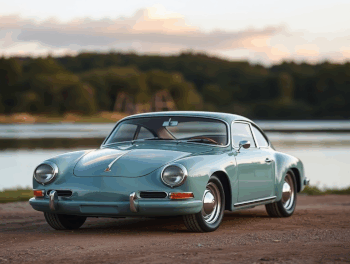 Screenshot youtube.com