Lausitzer Revier: Lignite and E-Fuels – a sustainable symbiosis?
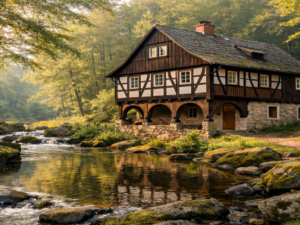
The region, characterized by a diverse landscape, is not only a center of industrial development, but also a space in which culture and nature work harmoniously together. The historical witnesses of the coal industry are just as present as the efforts to revitalize the landscape in a sustainable manner. Cultural events, local festivals and a wide range ofRecreational opportunities attract both locals and tourists. These aspects make the Lausitzer Revier a lively place where tradition and modernity are interwoven. The harmonization of these elements helps to strengthen the social awareness of ecological and cultural values and to further develop the region as an attractive habitat.
E-fuels using lignite: the importance for mobility
The conversion to sustainable energies and innovative technologies also opens up new perspectives for future economic development in the Lausitzer Revier. In particular, the research and use of e-fuels made from lignite could completely redefine the region in its role as an energy source. These synthetic fuels not only offer the possibility of CO2 emissionsbut can also contribute to the boosting of the local economy.
The process of e-fuel production from lignite
The production of lignite e-fuels is a complex but promising process that involves several steps. First, the lignite is converted into gaseous intermediates by modern techniques such as pyrolysis and gasification. These chemical processes make it possible to use the carbohydrates in the lignite efficiently, which creates valuable synthesis gases.Subsequently, these gases are converted into liquid fuels by the Fischer-Tropsch synthesis. These synthetic fuels are characterized by a high energy density and an improved environmental balance. In addition, researchers have worked intensively on optimizing the catalysts to further increase the efficiency of the process, which not only for the Lusatian districtcould provide new economic impetus, but would also establish the region as a location for innovation in the field of sustainable forms of energy. The positive effects could go far beyond the borders of the region and contribute to the nationwide development of a low-carbon economy.
Economic perspectives: opportunities and challenges
Another essential aspect of e-fuel production is the integration of advanced technologies and close cooperation between research institutions, industry and politics. The creation of innovation clusters in the Lausitzer Revier could not only drive the development of new processes and products, but also promote synergies between different players. byTargeted funding programs and investments in research projects are possible to establish a sustainable infrastructure that will balance both economic and ecological goals. After all, the expertise in e-fuel technology could not only strengthen local companies, but also contribute to Germany’s export strength in the field of renewable energies. The engagementFor a clean future of energy in the Lausitzer Revier, this is a decisive step in mastering the challenges of the present and leaving a space worth living in for future generations.
Political framework and support measures
In order to successfully implement the vision of a sustainable energy future in the Lausitzer Revier, it is essential that all relevant stakeholders are actively involved in the transformation process. Close cooperation between companies, research institutions, politics and civil society plays a crucial role in developing innovative ideas and solutions. byRegular dialogues and exchange formats can be identified early on, resulting in tailor-made approaches that take into account the specific circumstances of the region. In addition, educational programs that appeal to young talent in the field of sustainable technologies must also be promoted. this not only to ensure the need for skilled workers,but also to strengthen awareness of environmentally friendly practices in the population. In the long term, the success of the E-Fuel initiatives in the Lausitzer Revier will not only depend on technological progress, but also on a clear commitment to a holistic development that combines social, economic and ecological dimensions. Such an integrativeConcept could serve as a groundbreaking example for other regions that want to overcome similar challenges.