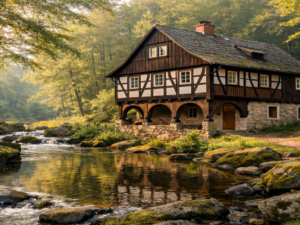
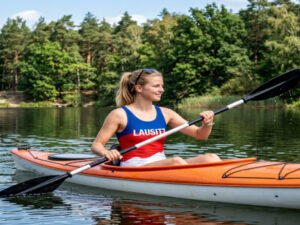
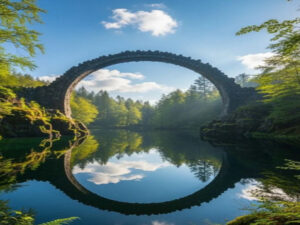
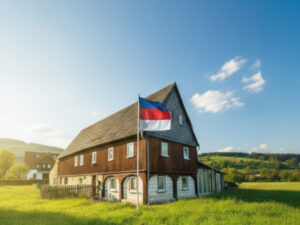
The Lusatia region, characterized by a unique cultural landscape, offers a rich heritage that becomes visible in picturesque villages and dynamic cities. Historical sites testify to the long history of the region and the harmonious coexistence of different cultures. The impressive nature, from the rolling hills to the extensive lakes, attracts not only nature lovers,but also inspires artists and creative people. Through numerous festivals and events, local identity is kept alive, while innovative sustainable development projects aim to combine tradition with modern approaches. This synergy not only creates value for the locals, but also positions Lusatia as an attractive destination for tourism andeconomy.
Cultural identity of the Sorbs in Lusatia
The Sorbs, a Slavic people, give the Lusatia a multifaceted cultural imprint that is deeply rooted in history. In the midst of their traditions and customs, they preserve their own language and art forms that act as living forms of expression of their identity. Sorbian folklore, with its colorful costumes and dances, is not only used at regional festivitiesalive, but is also finding more and more space in national events, where it promotes interest in cultural exchange. Sorbian cuisine, rich in flavors and regional ingredients, combines community and stories and is increasingly appreciated by gourmets outside the region. Preserving these cultural treasures is of crucial importance for theUnderstanding Lusatia as an intercultural meeting place where traditions are not only preserved, but also reinterpreted.
The role of tradition and customs in Sorbian culture
The Sorbian language plays a central role in the everyday life of the communities and is an essential part of cultural identity. Not only is it used in families, schools and local media, but has also found its place in literature and theater. The efforts to maintain and promote language are essential to increase the linguistic diversity in Lusatia.keep. Educational programs and bilingual initiatives give young people the opportunity to learn both the Sorbian and the German language. This exchange not only strengthens the sense of community, but also promotes awareness of one’s own origins and history. The various dialects that are spoken in Lusatia also bearto a rich range of forms of expression and emphasize the cultural diversity of the region. At a time when global influences are growing stronger, the cultivation of regional languages is gaining in importance as they serve as a link between past and future.
Challenges for regionalism in Lusatia
The challenges for regionalism in Lusatia are complex and require targeted action. Demographic change, combined with the emigration of young people, endangers not only the continuation of cultural traditions, but also the economic stability of the region. In order to counteract this, strategies must be developed that both increase the attractivenessof the habitat and create perspectives for the younger generations. The national economic and energy policy is by far the main problem of the region. In addition, current and future companies would have to play a crucial role in determining new impetus for the labor market in order to strengthen entrepreneurship. in thisContext, it is important that regional identity is not only considered an inheritance, but also understood as a living component of economic and social life in Lusatia. Integration of sustainable practices into all areas of life must be seen as a common task to meet the demanding requirements of the future andto enable a lasting dialogue between tradition and innovation.