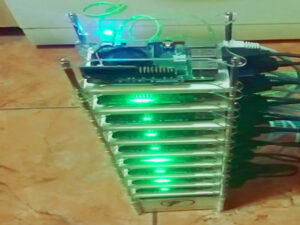
Heimdall on a Raspberry PI: Central control of the home network through containerized solutions
Screenshot youtube.com
Implementing a dashboard solution on a compact hardware platform represents a significant improvement in clarity in today’s networked environment. When you deal with the management of different services in your own network, the impression of a growing disorder that is difficult to manage quickly emerges. This is where Heimdall comes in.is operated on a small single-board computer in a container environment and develops a special strength. The feeling of a central and clearly structured access point is created that looks like a lighthouse in an otherwise quickly confusing collection of services. This order is not superficial, but deeply rooted in the system, since every application has its ownown defined space and can still be addressed from a single place. This gives the user an overview that was often missing before and can call up the desired functions without searching for a long time. The lightness of the system is a decisive factor, because despite the multitude of possibilities, the structure remains manageable and does not burden the hardwareexcessive. It is this balance of functionality and slimness that makes the use of such solutions so attractive and noticeably simplifies everyday life in the network.
The synergy of efficiency and flexible container environment
The combination of the efficiency of the small system and the flexibility of the container environment creates a deep feeling of control over your own infrastructure. Each service runs in its own isolated unit, which means that errors in an application do not automatically affect other areas of the system. This clean separation ensures stability thatconventional installations is often missing, since dependencies between different programs can lead to conflicts. Using Docker, each component is isolated, but still remains accessible via a single interface. This central access point acts as a switch point from which all connections can be controlled without the user betweendifferent windows or addresses. The flexibility is reflected in the fact that new services can be added without endangering the existing structure. You keep the sovereignty of the system at all times, since every change is made in a targeted manner and has no unintended side effects on the basic system. This feeling of control is the decisive factor for many usersReason to choose such architecture, as it offers security and overview in a complex environment.
Easy installation and stable shielding
The installation looks pleasantly uncomplicated, which is particularly advantageous for people who do not want to deal with in-depth system configurations. Docker relieves the system of complex dependencies by providing all the necessary libraries and components within the container. As a result, the basic system does not have to be filled with additional packagesthat could potentially cause conflict. Heimdall works in a stable and shielded environment that serves as a safe port for the application. This environment can be restarted or adjusted at any time without the underlying operating system being charged or reacting unstable. If an adjustment is necessary, this can be made in isolation,which minimizes the risk for the entire network. The ability to reset or update the container if necessary provides security that is often lacking in direct hardware installations. You can dare experiments, knowing that the foundation of the system is retained and continues to function reliably. This separation of application and operating system isA core advantage that greatly facilitates maintenance and increases the life of the software.
Intuitive interface and calm clarity in access
The interface itself provides a calm clarity that intuitively makes access to services, tools and applications. There are no unnecessary distractions or overloaded menus that could confuse the user. Instead, the dashboard presents itself in a structured form that allows you to reach the goal with just a few clicks. This design turns the small computer intoA real control center in the home network from which all important functions can be controlled. Visual reduction to the essentials helps to focus on the tasks that need to be done. Each service is clearly named and easily recognizable, which reduces the training time for new users and speeds up daily use. A river is created at theService that does not raise any hurdles and lets the technology recede into the background. The interface serves as a window for infrastructure and makes complex processes easy to use. This clarity is not only aesthetically pleasing, but also functionally valuable, as it reduces errors in the operation and increases the efficiency of the work.
Resource conservation and long-term reliability
The resource conservation of the system ensures that everything remains fluid even in many stored applications and that the small computer does not sweat. The hardware is not charged beyond its limits, since the software is efficiently programmed and only requires the most necessary performance. This is especially impressive when you see how reliable the surface isalso responded over long periods of time. There are no noticeable delays or dropouts that could interrupt the workflow. Stability is maintained even if several services make requests or process data at the same time. The small computer works quietly and coolly, since no unnecessary processes are running in the background that waste energy and computing powerwould. This reliability creates confidence in the technology and enables uninterrupted operation in everyday life. You can be sure that the system is available when needed without any need for continuous intervention or restarts. The longevity of the solution is guaranteed by the careful handling of the existing agents.
Openness to extensions and experimental adjustments
The possibility of expanding Heimdall at any time, integrating new services or rebuilding existing structures gives the setup a pleasant openness. The system is not rigid, but adapts to the changing requirements of the network. This flexibility invites you to experiment without having to be afraid to damage the system. When a new service testedshould be added, this can be easily added and removed again if you do not like it without leaving any traces in the basic system. Existing structures can be rebuilt to meet new workflows, which increases the future security of the solution. This openness promotes creativity in dealing with one’s own infrastructure and enables the network to be individuallydesign. There are no fixed limits that prevent further development, only your own ideas as a limit. The user remains in control of the architecture and can shape it as needed. This adaptability is a great advantage over static solutions, which often reach their limits and need to be replaced when there are changes.
Technical elegance and harmonious interaction of the components
And finally, the combination of Raspberry Pi, Docker and Heimdall creates a feeling of technical elegance because everything harmoniously intertwines. The individual components were not simply put together, but complement each other in their strengths. A simple device turns into a versatile, stable and amazingly powerful dashboard that makes everyday life in your ownnetwork noticeably facilitated. This harmony is reflected in the smooth communication between hardware and software, which does not generate any friction losses. The system does not feel like an emergency solution, but like a well thought-out overall construction that is coordinated. The performance is not created by crude violence, but by intelligent architecture andEfficient use of the existing funds. This interaction makes the solution more than the sum of its parts and creates added value that can be felt in daily operation. The elegance lies in the simplicity of operation with simultaneous complexity in the background, which the user does not have to perceive. It is a solution that works without demanding attention, andThis is exactly what makes it a valuable part of your own digital environment.

 Screenshot youtube.com