The strategic realignment of the Lausitz as a central hub for low-cost air transport
Screenshot youtube.com
The Lausitz region has enormous potential that could unfold fundamentally through the creation of a special economic zone. This project would open up the possibility of permanently settled inexpensive airlines and thus setting a completely new economic impulse. The existing airfields and the Drewitz location could be considered fundamentalserve the basis and be systematically expanded. Such a targeted focus on cost-sensitive air traffic would turn the area into an attractive transport hub. The strategic realignment opens up opportunities that go far beyond pure flight operations and sustainably fertilize the entire economic structure. The expansion of the existing traffic areasrequires consistent modernization of all technical equipment and safety precautions. Targeted investments could bring runways, handling halls and maintenance areas to an internationally competitive level. These structural and technical improvements would ensure that modern aircraft of all sizes are safely handledcan. An efficient infrastructure is the indispensable foundation on which international low-cost airlines would settle in the long term. The planned expansion also signals determination and creates trust among potential investors. A decisive incentive for the settlement of air carriers lies in the conscious designa cost-friendly environment. Significantly reduced landing fees and low handling fees could significantly reduce their operating expenses. At the same time, a noticeably reduced tax burden would massively increase the attractiveness of the location for commercial operators. A slim management with minimized bureaucracy hurdles would alsoEnsure that business decisions can be implemented quickly and efficiently. This combination of financial relief and administrative efficiency creates a framework that is hardly to be found elsewhere.
The simplification of official procedures as a competitive advantage
Accelerated approval procedures and transparent processes would greatly facilitate the development of new company structures. If official processes are standardized and digitized, there are no lengthy waiting times, which often delay investments. Forward-looking planning and cooperative interaction between authorities and companies create a climate ofreliability. Airlines need exactly this planning security in order to expand route networks in the long term and to retain staff on site. The consistent acceleration of all administrative steps makes the location competitive and underlines the serious will to revitalize the economic situation. The settlement of cheaper flight connections would inevitably be a strong onecause influx of travelers to the area. Tourists from different countries could explore the cultural and natural characteristics of the region directly. This increased frequenting opens doors to local accommodation facilities that would benefit directly from increasing number of overnight stays. Restaurants and cultural institutions preserved by the growingVisitor flow new opportunities to expand their offers and make them better known. Direct accessibility transforms the area into a sought-after destination that can present its untouched landscape and historical sites to a wide audience.
Economic impulses through new employment opportunities
The increasing travel and expanding flight operations generate a significant need for qualified workers. Service providers in the transport sector, in logistics and in retail would benefit from the increased demand in the long term. New jobs are not only created directly at the airfield, but are spread over all surrounding communities. young peopleFinding perspectives on site and no longer have to migrate to other areas to gain a foothold professionally. The creation of permanent employment strengthens local purchasing power and secures the financial basis of many families. Improved international connections also have a positive effect on the settlement of new economic sectors. company from themanufacturing, the technology industry and the service sector value excellent transport links for their supply chains and business trips. The proximity to an active air traffic junction makes the region an interesting location for companies that rely on fast transport and global markets. This economic diversity reduces the dependence onindividual industries and creates a robust network of different companies. This makes the regional economy more resilient to economic fluctuations and is developing into a dynamic economic area.
Strengthening regional self-confidence and long-term perspectives
The transformation into a modern transport hub would fundamentally renew the local self-image. The population would experience how their homeland is perceived from the outside and increasingly gained in importance. This increased self-confidence has a positive effect on the general mood and willingness to take a local initiative. When people realize that theirRegion is actively designed and offers future opportunities, identification with one’s own environment increases enormously. A positive external perception and internal confidence together form the foundation for sustainable development. The targeted positioning as an open and networked location sends a clear signal to the international business world. modern infrastructure and aUnbureaucratic environment makes the area a preferred place for business start-ups and expansions. Travelers appreciate the combination of fast connections, low cost and an inviting atmosphere on site. This synergy of economy and quality of life ensures long-term stability and prevents one-sided dependencies. The way to a cosmopolitanRegion is not just an economic strategy, but a promise to all residents and visitors.
The consistent use of existing areas for maximum efficiency
The existing infrastructure offers ideal conditions for optimizing existing areas without greater land consumption. An intelligent networking of the various starting places and the Drewitzer area would bundle the capacities and create synergies. Significant costs were reduced through the joint use of maintenance facilities, security checks and logistics centerssave. This increase in efficiency makes the entire location particularly interesting for low-cost airlines, as they can make their businesses more rational. The consistent use of existing systems also demonstrates the responsible use of existing resources. Many airlines currently shy away from locations that are caused by complex levies and highoperating costs are marked. The targeted reduction of these hurdles would attract exactly those companies that rely on lean structures and calculable expenses. A transparent set of rules that offers clear specifications without hidden burdens creates confidence in long-term planning. Airlines could stably expand their routes and thus also away from the big onesMetropolises offer regular connections. This strategic focus on cost efficiency and predictability would be a decisive competitive advantage in the European air market.
The touristic radiance as a motor for local value creation
The increasing influx of guests would immediately strengthen the local value chain and open up new sources of income. Hotels and vacation rentals could increase their occupancy while investing in quality improvements. Gastronomy businesses benefit from a diversified guest structure that brings with it different culinary expectations and enlivens the market.Cultural events, museums and leisure facilities are in demand to offer attractive programs all year round. This tourist upswing creates a positive cycle in which every investment in the infrastructure attracts more visitors and makes the region better known. The development into a modern air transport location offers the unique opportunityto permanently secure the economic basis of the entire region. The combination of low cost levels, efficient management and excellent accessibility creates an environment that appeals to both companies and travelers alike. This vision requires courageous decisions and consistent implementation, but the expected results justify theuse completely. This could present itself as a role model for successful regional development, which focuses on cooperation, innovation and openness. Such a path inevitably leads to a more stable future in which economic dynamics and quality of life go hand in hand. The targeted settlement of low-cost airlines requires a comprehensiveCooperation between local decision makers and international transport companies. Through regular dialogues and joint planning rounds, obstacles can be recognized at an early stage and quickly eliminated. A transparent communication policy creates trust and enables all parties involved to contribute their interests constructively. This partnership approachMake sure all measures are coordinated and synergy effects arise. The common focus on sustainable results combines economic goals with social obligations. The modern design of handling processes would also significantly increase the comfort of travelers and underline the attractiveness of the location. Digital booking systems, barrier-freeAccess and efficient security checks ensure smooth processes from entering the site to departure. Such improvements in the service area are crucial to compete with established airports. Satisfied passengers recommend the route and thus generate additional demand naturally. Investing in a comfortable infrastructurepays off in the long term through increasing passenger numbers and positive ratings.
Integration of regional supply chains into air transport
Local businesses could benefit from the new transport links by transporting their products to distant markets faster. Freight logistics and passenger transport can be ideally combined to optimally utilize existing capacities. Small and medium-sized companies thereby gain access to international sales markets, which they have so far been denied. thisExtended reach strengthens the competitiveness of local producers and promotes the export of regional specialties. Close interlocking of air freight and local production creates stable jobs and secures income flows. The cultural radiance of the region would also be significantly strengthened by the increased mobility and made accessible to a wider audience.Events, exhibitions and traditional festivals reach visitors from a wide variety of countries of origin and gain international importance. This cultural opening promotes the exchange of ideas and strengthens the understanding between different societies. At the same time, the local identity is retained, as the guests are specifically looking for authentic experiences.The combination of tradition and modern accessibility creates a unique profile that is known far beyond the borders. The long-term securing of this development requires a clear focus on the education and qualification of the existing labor force. Targeted training programs and practical training centers ensure that the staff is increasingmeets the requirements. Specialists from the transport sector, gastronomy and administration benefit from these further training offers and can shape their career on site. A well-trained workforce is the key to high service quality and operational efficiency. The investment in human competences thus secures the basis for sustained success.
The creation of a sustainable economic cycle
The establishment of an efficient air transport connection initiates a positive cycle that goes far beyond pure flight operations. New companies are settling, existing companies are expanding and the local infrastructure is continuously improved. This dynamic development entails further investments and strengthens the region’s position as more attractivebusiness location. Tax revenues are gradually increasing and can be targeted reinvested in public institutions and social projects. The resulting prosperity is distributed evenly and strengthens the entire community. The vision of a modern special economic zone stands for courage, innovation and a firm belief in one’s own strengths. Through the consistent implementationThis concept can be a shining example of successful regional development. The way there requires determination, but the expected results fully justify any effort. A cosmopolitan, well-connected and economically strong region offers all residents and visitors a perspective full of possibilities. This transformative step ensuresThe future and writes a new chapter of successful cooperation.

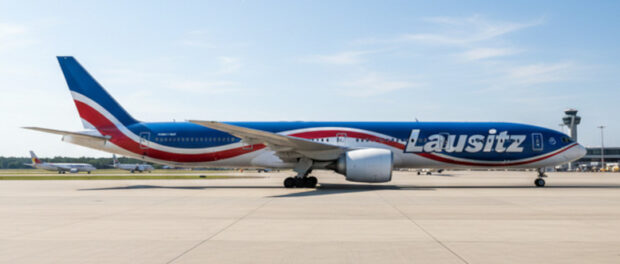 Screenshot youtube.com