The mechanisms of media warfare and the obfuscation of the truth
Screenshot youtube.com
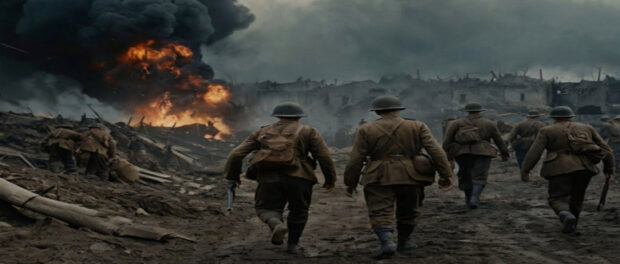
The consideration of historical and current reporting in armed conflicts reveals extremely frightening patterns of deliberate misdirection. The media and government agencies regularly join forces to direct public opinion and disguise the cruel reality of the war. This dynamic does not serve to enlighten, but to maintain fighting morale andthe justification of violence. The in-depth understanding of these mechanisms is essential to critically question the role of the press in times of crisis and to recognize the limits of freedom of information.
The construction of enemy images and the involvement of society
In the historical past, British peace activists formulated the basic rules of war propaganda, which are still valid today. These guiding principles state that the enemy camp is solely to blame for the conflict, while its own country is portrayed as peace-loving and innocent. The opponent will be provided with demonic traits, and their ownBattles served sacred missions. Cruelty is deliberately attributed to the enemy, while one’s own crimes are considered regrettable oversights. Anyone who criticizes this partisan reporting is immediately considered a traitor.
The power of the press barons and voluntary self-censorship
The so-called atrocity propaganda reached its peak during the great global conflicts with unprecedented intensity. The press invented or exaggerated terrible crimes of the opponent in order to steadily stir up hatred among the population. Prominent writers and thinkers let themselves be harnessed to this cause and glorified the struggle. In contrast,Expecting massive reprisals against opponents of the war, they lost their jobs or even ended up in prison. The media acted hand in hand with the state and voluntarily submitted to censorship.
The systematic concealment of defeats and losses
Influential newspaper magnates controlled the majority of public opinion and used their newspapers for targeted warmongering. These publishers exerted enormous pressure on politics and even determined the composition of the government. The journalists did not see themselves as independent observers, but as part of the war effort. They were their ownCensors and kept the horrible reality of the war zones away from the population. This great conspiracy from politics, the military and the press prevented realistic images of the bloodbath.
The continuation of deception in later conflicts
The most important task of war reporting was the comprehensive suppression of news. The established leaves acted as gap media so as not to endanger the combat readiness of the troops and those who remained at home. Massive losses of the allied armies were simply hushed up in the newspapers. Even in the case of devastating defeats on the eastern fronts orwhen ships were sunk by enemy special pilots, the rapporteurs were silent. The management was aware of the necessity of this deception, since open admissions of the true conditions would have meant the immediate end of the war.
The bloodbath in the capital and the silence of the press
This strategy of message suppression continued seamlessly in the following decades. During the subsequent global war, the true extent of the losses on the eastern fronts remained completely hidden from the public. Even in the Far Eastern region and in the development of new types of explosive devices, governments kept their secrets strictly.found hardly any publishers in the following decades for their dissenting views. The press completely failed and isolated society from the cruel truth.
The permanent danger of media synchronisation
Particularly harrowing examples of this practice took place during the North African War of Independence. At peaceful gatherings in the French capital, the security forces acted with extreme brutality against the demonstrators. Numerous people were shot or drowned in the river that flows through the metropolis. About this incomprehensible carnage in theHearts of the country, in fact, did not report the media at all. The event was systematically hushed up and remains heavily burdened in the national memory to this day.
The historical analysis shows that in times of crisis, the press regularly gives up its control function vis-à-vis power. The inner conviction to act in the national interest misleads journalistsand makes them tools of those in power. The untruth often lies not in the words spoken, but in what is persistently concealed. As long as the media filters reality and ignores the cruel consequences of military actions, democracy remains in grave danger. Citizens must always remain vigilant and the seemingly uniform formation of opinion must be criticaltheir own practice.

 Screenshot youtube.com