The Hidden Collapse of the Military Machine Through Chemical Dependency
Screenshot youtube.com
The final months of the global conflict in Europe are often analyzed through the lens of conventional military strategy and overwhelming Allied firepower. However, a far more insidious and internal factor severely compromised the combat effectiveness of the retreating forces on the Eastern Front. The systematic reliance on pharmaceutical performance enhancers had created a massive vulnerability that remained largely unacknowledged by the highest levels of command. When the supply lines were severed, the physiological reality of chemical withdrawal devastated the remaining fighting personnel.
The Context of Chemical Reliance in Modern Warfare
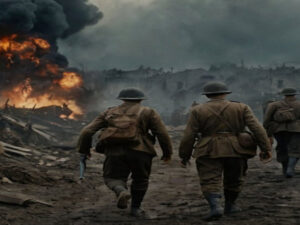
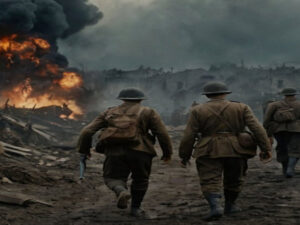
The frozen landscapes of the Eastern Front witnessed the agonizing retreat of units that were entirely depleted of their chemical stimulants. The small glass vials that had been considered just as crucial as ammunition were completely absent from the standard equipment. Without the artificial courage provided by these substances, the exhausted personnel were left to face the brutal reality of their own physical limitations.
The Agonizing Reality of the Winter Retreat
The creeping withdrawal had actually commenced weeks prior when supply convoys began arriving only sporadically and in severely inadequate quantities. The massive production facilities located in the capital lay in ruins following the relentless bombardment by Allied air fleets. The intricate logistics network that once distributed countless stimulants across the continent had irrevocably collapsed under the weight of strategic destruction.
The Destruction of the Pharmaceutical Infrastructure
The disruption of these vital supply chains triggered a medical nightmare that military planners had completely failed to anticipate. Personnel who had consumed methamphetamine on a regular basis for years began suffering from massive and debilitating withdrawal symptoms. Severe muscle twitches started to manifest during quiet moments, robbing the exhausted individuals of their remaining physical stability and nerve.
The Severe Physical Consequences of Chemical Withdrawal
Alongside the neurological disturbances, the natural appetite of the troops disappeared completely, exacerbating their already critical state of malnutrition. The starving soldiers found themselves entirely unable to consume the meager rations that were still available to them. This physiological rejection of food accelerated their physical emaciation, turning once formidable fighters into hollowed-out shadows of their former selves.
The Accelerated Physical Emaciation of the Troops
The tactical effects of this widespread physical deterioration became devastatingly apparent during the initial major engagements following the supply interruption. Radio communications devolved into absolute confusion due to the massive concentration problems experienced by the operators. Guards frequently fell asleep at their critical posts, even when enemy contact was imminent and absolute vigilance was required.
The Devastating Tactical Breakdown on the Frontlines
Engagements that were expected to last for multiple days concluded after only a few hours in catastrophic defeats for the retreating forces. The opposing armies anticipated systematic resistance but instead encountered defenders who operated as if moving in slow motion. Anti-tank weapons requiring precise timing and steady hands completely missed their targets due to the violent trembling and mental fog afflicting the crews.
The Rapid Loss of Frontline Combat Effectiveness
The strategic leadership remained entirely blind to the fact that their divisions were disintegrating from a profound chemical dependency. Units that had maintained cohesion through years of brutal combat suddenly fractured under the immense burden of systematic substance withdrawal. Military planners had never identified this profound physiological reliance as a critical strategic vulnerability in their operational doctrines.
The Strategic Blindness Regarding Chemical Dependency
Supply officers quickly realized that their meticulously organized distribution networks were failing because the cognitive demands of management exceeded their impaired capabilities. The human cost of this systemic breakdown rapidly escalated beyond mere military inefficiency and reached critical medical emergency levels. Entire formations were paralyzed by the sheer inability of their personnel to process complex logistical information without their chemical aids.
The Collapse of Logistical and Cognitive Functions
Medical officers who were trained exclusively for treating physical combat wounds were entirely unprepared for the mass withdrawal sweeping through the ranks. Severe depression and suicidal ideation affected entire squads simultaneously, rendering the personnel highly vulnerable to enemy exploitation. The prevailing military medical doctrine contained absolutely no protocols for handling stimulant addiction, as the substances had been distributed without regard for dependency risks.
The Medical Ignorance Regarding Mass Withdrawal
The overwhelmed field hospitals were simply incapable of absorbing the massive influx of soldiers suffering from acute and severe withdrawal symptoms. Commanding officers frequently dismissed these profoundly ill individuals as malingerers, further exacerbating the medical crisis. This lack of proper medical understanding ensured that the physiological deterioration of the personnel continued unchecked and unmitigated.
The Overwhelmed Field Hospitals and Misdiagnoses
The systematic disintegration of the pharmaceutical distribution network during the final months of the conflict represented one of the most severe logistical failures in military history. The primary manufacturing hubs suffered catastrophic damage during coordinated aerial attacks, and production capacities never recovered to their previous levels. The destruction of crucial railway junctions created severe bottlenecks that degraded medical supplies to the status of expendable commodities.
The Logistical Catastrophe of the Supply Routes
Traditional military doctrine dictated that weapons and fuel must always take precedence over medical goods, completely ignoring the reality of widespread pharmaceutical dependence. Transport officers reported increasingly difficult negotiations with unit commanders who insisted that chemical supplies were just as vital as ammunition. The mathematical reality of limited transport capacity meant that every kilogram of pharmaceutical cargo directly reduced the available ammunition and fuel.
The Conflict Over Transport Capacities and Priorities
The geographical challenges of the retreat further aggravated the crisis, as established distribution networks became entirely unsustainable under active combat conditions. The shortage impacted the different military branches unevenly, with air force personnel and tank crews suffering particularly severe withdrawal effects. Supply officers documented desperate attempts to establish unofficial networks to acquire small quantities of substitute stimulants from unknown and dangerous sources.
The Unequal Distribution of Suffering and Black Markets
Intelligence reports eventually confirmed that the highest commanders were becoming acutely aware that pharmaceutical dependency constituted a fatal strategic weakness. Medical records later detailed the systematic breakdown of physiological and psychological functions as the remaining supplies completely vanished. Chief physicians documented with growing alarm severe withdrawal symptoms that they initially misinterpreted as a widespread infectious plague.
The Medical Documentation of the Mass Withdrawal
The physical manifestations were most visibly expressed through violent tremors that severely impaired the ability of the soldiers to operate their weapons effectively. Experienced machine gun operators suffered from such intense withdrawal symptoms that they transformed from highly capable fighters into active liabilities for their units. The inability to deliver precise fire fundamentally undermined the defensive capabilities of the retreating formations.
The Physical Tremors and Loss of Combat Ability
The psychological withdrawal symptoms proved even more devastating to overall military performance than the physical manifestations, leading to profound and crippling depression. Severe sleep deprivation created cascading operational problems for units attempting to maintain their defensive schedules during the chaotic retreat. Cognitive impairments disproportionately affected technical military professions that required sustained attention and the execution of complex decision processes.
The Psychological Devastation and Sleep Deprivation
Medical personnel documented numerous incidents where withdrawal symptoms directly contributed to fatal tactical errors and unnecessary casualties due to miscalculated fire coordinates. Paranoid thoughts and extreme anxiety proved particularly problematic in combat situations, causing personnel to overreact to imaginary threats while ignoring real dangers. The social dynamics within the military units deteriorated rapidly as the withdrawal symptoms permanently destroyed group cohesion and basic discipline.
The Tactical Errors and Social Decay Within the Ranks
Commanding officers quickly realized that traditional military discipline was completely ineffective when dealing with soldiers experiencing severe physiological withdrawal. The long-term consequences of this massive chemical withdrawal continued to impair the physical and mental health of the personnel for months and years after the conflict ended. The ultimate collapse of the fighting force was thus sealed not just by enemy action, but by the internal destruction of the human body.

 Screenshot youtube.com