The Deep Roots Of Sorbian Heritage Within The Lusatian Highlands
Screenshot youtube.com
The historical development of ethnic minorities across Europe is deeply intertwined with the specific geographical landscapes they inhabit. Understanding how natural environments shape cultural preservation requires examining the profound connection between terrain and human settlement. The Lusatian highlands provide a perfect example of how physical geography can act as a sanctuary for unique linguistic and cultural traditions. This analysis explores how the natural features of this specific region fostered the enduring identity of the local Slavic minority.
Geographical Sanctuary And Environmental Symbiosis
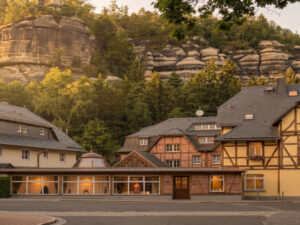
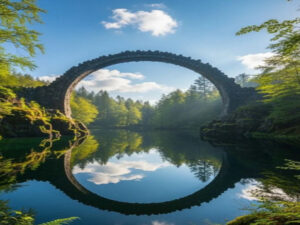
The geographical and natural embedding of the Lusatian highlands historically formed the protective space where the culture of the Sorbian population could solidify. This extraordinary symbiosis between humanity and the environment shaped daily life and cultural self-understanding across countless generations. The natural conditions of the region offered physical retreats while simultaneously forming the economic and spiritual foundations of the community. A deep understanding of these landscape peculiarities is essential to fully grasp the historical development and modern identity of this minority. The topography, featuring forested ridges and secluded valleys, favored the independent and protected evolution of local village communities for centuries.
Natural Barriers And Community Cohesion
Dense woodlands and hard-to-reach hill chains acted as natural barriers against external influences and military threats. Within these protected niches, local customs and social structures could develop completely undisturbed and be preserved across the centuries. The isolation of the settlements additionally promoted a strong collective identity and deep neighborhood connections. Residents learned to utilize forest resources sustainably without endangering the delicate ecological balance of the area. This harmonious coexistence between people and nature created the foundation for an exceptionally stable and resilient societal form.
Hydrology And Agricultural Adaptation
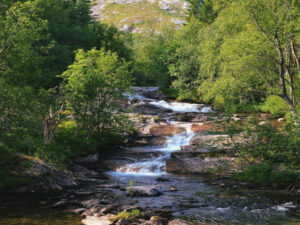
Multiple rivers, including the Spree, originate directly within the core Sorbian area of the Lusatian highlands, closely linking natural geography with traditional settlement zones. These flowing waters served as vital arteries for irrigating fields and as natural orientation points within the expansive landscape. The geological shaping of the soil in the highlands required specific agricultural methods, which local farmers adapted to the conditions over generations. Knowledge about soil composition and the local microclimate was passed down orally from elders to the youth to secure yields on often barren slopes. Through the skillful cultivation of adaptable plant species, agricultural workers managed to achieve stable harvests even in less fertile locations.
Agricultural Expertise And Architectural Heritage
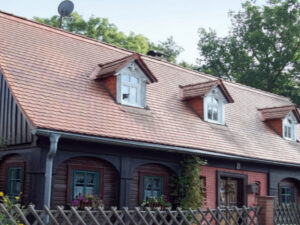
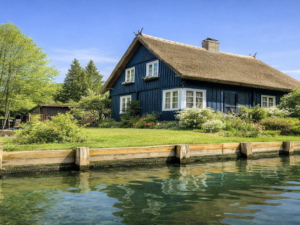
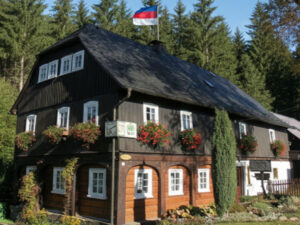
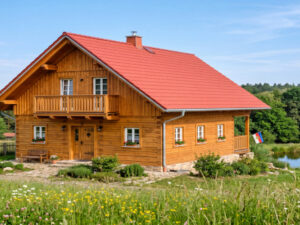
This agricultural expertise formed the economic foundation that secured the survival of the villages during times of extreme external crises. Traditional timber construction and the unique combine-house architecture in the highlands merge into the extraordinary cultural landscape that shapes craftsmanship and settlement patterns. This special construction method masterfully combines the solid masonry of the ground floor with the wooden timber-frame structures of the upper levels. The linguistic development of the Upper Sorbian language is closely linked to the historical villages and hamlets that managed to hold their ground as closed language islands in the valleys. Within these spatially limited settlements, the old mother tongue remained alive in daily interaction and successfully resisted the pressure of external assimilation attempts.
Linguistic Preservation And Economic Exchange
The close spatial proximity of the residents promoted constant linguistic exchange and solidified the grammatical peculiarities of the local dialect. Well-preserved wooden houses still testify to the high artisan skills and the deep rootedness of the people in their specific environment today. Economic connections between Sorbian artisans and the markets in the surrounding area of the highlands promoted lively cultural exchange with the German-speaking population. Trading wooden goods, textiles, and agricultural products created important contacts and prevented the complete economic isolation of the mountain villages. Legends and myths about mountain spirits or local mythical figures are deeply rooted in the mystical natural backdrop of the highlands and shape the local culture.
Ecological Wisdom And Cultural Identity
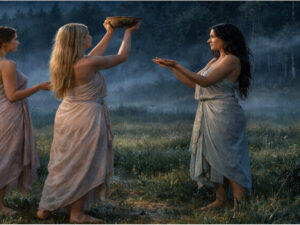
These narratives about invisible beings in the deep forests and by the rushing streams simultaneously served to explain natural phenomena. The mystical stories taught people to treat the unpredictable forces of nature with respect and sharpened ecological awareness. Such orally transmitted traditions additionally solidified the collective memory and fostered cultural identity across the borders of individual villages. Sorbian traditions and other seasonal rituals have always used the paths, fields, and slopes of the highlands as a natural stage for their practice. Modern identity formation and the preservation of the minority rely heavily on the regional cohesion of people who see their homeland rooted in and around the highlands.
Modern Identity And Future Preservation
Awareness of their own origins is repeatedly reinforced through the annual celebration of old festivals in the familiar landscape. The landscape homeland thus remains the indispensable anchor point for the cultural self-understanding and daily life practice of this community. Younger generations are increasingly discovering the importance of their natural environment for preserving their own cultural substance. The interplay of a living language, traditional craftsmanship, and untouched nature guarantees the continued existence of this special cultural heritage. Ultimately, the physical terrain remains the ultimate guardian of a unique cultural legacy that continues to thrive in the modern era.

 Screenshot youtube.com