History: Strategic Conflicts and Political Tensions in Germania
Screenshot youtube.com
The military conflicts in Germania were characterized by a multitude of complex tactical maneuvers, strategic considerations and political intrigues that significantly influenced the fate of the Roman expeditions. The landscape and natural conditions offered the Germanic tribes numerous advantages that they cleverly used to strengthen their defenseand make the Roman advance difficult. At the same time, it was shown that, despite their impressive organization, the Roman troops were not yet fully able to master the diverse challenges of Germanic warfare. The increasing number of associations in the field required even better integration and coordination to successfully counter theto proceed with resistant tribes. These developments made it clear that the political and social order in Germania was about to change profoundly, even if social change required time and patience. It was obvious that stability could only be restored through long-term change, with immediate military demands beingincreased the pressure on the political decision-makers.
The Angri-Varian dam: symbol and strategic defense line
The most visible and significant building on this site is a massive, wide dam built by the Angrivarians to protect their settlement area against the attacks of the Cheruscans. This dam is a monumental structure, possibly reinforced with tree trunks on its back to secure its stability and achieve a high defensive effect. hisConstruction shows the great importance that the Germans attach to this obstacle, because it is obvious that this is a significant barrier that can significantly complicate the movements of the Roman troops. The dam forms a narrow but strategically crucial zone enclosed by dense forest and marshy terrain, with the forest on oneside is limited by the dam. The intention of the Germanic defenders is clear: They want to prevent the Roman legions from developing their full combat power and plan to attack and weaken the Romans in the narrowest space between the moor, forest and dam. This line of defense becomes a symbol of resistance and represents one of the most important strategic challenges forthe Roman troops.
The tactics of the Germans: Hidden cavalry and open lines
While the Germans’ cavalry remains hidden again under the protection of the dense forest, the infantry sets up its troops on relatively open terrain. This tactical decision shows the flexibility and tactical skill of the Germans, which rely on surprise and quick movements. The cavalry is ready to crawl out of the forest protection and surprisingly if necessaryto strike. Whatever the plans of Arminius, they will be passed on to the Roman general Germanicus in good time by defectors. The members of the so-called “Roman-Germanic Society”, a group presumably observed or even influenced by the Germanic movements, have already forwarded their information to the Roman commander.This allows Germanicus to thwart his opponent’s tactics at an early stage and immediately attack the hidden cavalry before it can be used. The biggest challenge for Germanicus is to storm the wall to break a possible resistance of the Germans before it can affect the Roman troops. That crucial moment in the fightdecides on the further course of the battle.
The course of the battle and the importance of the fight
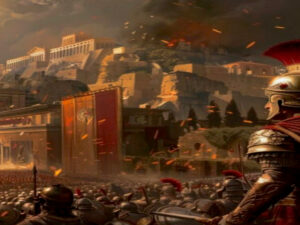
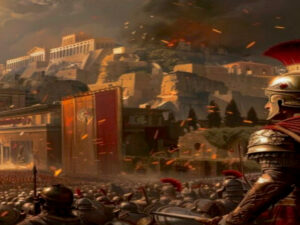
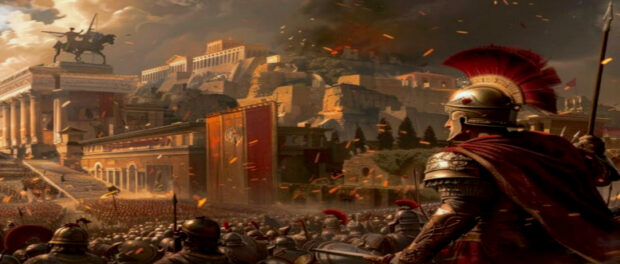
The battle in this narrow space, which will soon be used against the Germans themselves, is one of the most important battles in the history of Roman-Germanic wars. According to Tacitus’ reports, the battle will have been characterized by an enormous number of Germanic warriors. It was a confrontation in which not only courage, but also the tactics and the strategicskill on both sides were decisive. Germanicus uses throwing machines and other siege devices to break through the dam while his troops attack the forest. Both sides are severely restricted by the swampy terrain and rivers, which makes the fight even more difficult. Tacitus describes the conflict soberly and without exaggerated atrocities, stating thatArminius is easily wounded, which is due to a happy coincidence or the fortunes of the Roman general. Germanicus itself has taken off the helmet to be more visible; He shows his determination to lead the fight personally. His slogan is: “Prisoners are not taken! The war is only ended when all Germans are defeated.” Such wordsreflect the determined spirit of the Roman troops, hoping for a decisive victory in order to finally defeat the Germans.
The Day of Decision and the Roman Victory Monument
At nightfall, Germanicus manages to pull a legion out of battle to secure the camp for the night. The remaining troops are stuck to the blood of the enemies until the evening. The reports emphasize that this description is more symbolic, since the actual losses and victims are difficult to quantify. The next day, when the Germanic forcesOut of reach, Germanicus begins to erect a monument in an open field. This consists of a pile of weapons with an inscription in which the Roman troops, under the command of Germanicus, the victory of Mars, Jupiter and the Emperor were dedicated. The monument is a visible sign of the Roman triumph, but Germanicus mentions his ownNames not to cause unnecessary political problems. He knows that too obvious success with high losses could be problematic for Emperor Tiberius, as he sees the danger that too much blood replenishment could jeopardize success. Therefore, Germanicus holds back with official declarations of victory and only publishes the official badges of honor,to maintain political balance.
Political intrigues and Tiberius’ attitude
For Tiberius, defeat against the Germans is a significant humiliation, which he takes with great caution. He is aware that the superiority in the seas and rivers has led the decisive blow to Germanicus and the Roman troops. After several letters that Tiberius sent to Germanicus, a final, clear message follows, which sets the limits of theshows tolerance. While Germanicus has compensated for their soldiers for their losses, Tiberius sees no more meaning in another military offensive. For him, the hope of a quick return to calm is just a wishful thinking based on purposeful optimism. The fear of opposition in Rome is great, and Tiberius tries to use flattering letters and threats to Germanicusto control. He puts the defeats into perspective and speaks of water floods and natural disasters to justify the losses. He also mentions the different peoples he fought with, including King Marbod, whom he drew to his side through a peace treaty. For Bierius, there is no choice but the Germans to show their own discordleft to secure the stability of ROM. The strategy is clear: Conflicts within the Germans should serve the Roman interests and secure peace in the Reich.
The end of the campaigns and the last hopes
When Germanicus, similar to a young warrior who asks for another year to continue the fight, receives a clear rejection from the Emperor, he realizes that the war is in truth lost. Tiberius makes it clear to him that his brother Drusus is also entitled to fame in Germania, although he is hardly willing to put himself at the service of the war. For Germanicus is with itFinally, it’s clear that the game is over. He gives up, travels back to Rome and feels like a warrior who was robbed of his honor, although he actually wanted to win the campaign. The disappointment is great, since he has the impression that his further use only has a symbolic value and that there is no longer any prospect of real success. His withdrawal becomes a symbol for theLost hope of a quick and final resolution of the Germania conflict, while political and military tensions continue to smolder.
Open bills between Arminius and Marbod
Although the immediate combat operations have been completed for the time being, Germania still has open questions and old calculations between important leaders such as Arminius and Marbod. Marbod has pushed Arminius and the Western Germans and the Elbe-Weser-Germans on the defensive. But the defeat against the Roman troops and the dominance that Arminius within theGermanic leadership has gained envy and rivalries continue to grow. Especially in a society where fame is synonymous with survival, the desire for recognition and honor is enormous. The Germans are aware that their success only lasts as long as they can maintain it, and every success is made by others with envy and resentmentconsidered. The deeper cause of the failure of all the great leaders is that the glory they gain takes their breath away and ultimately prevents them from keeping themselves in balance. Glory acts like an air that smothers the others, which means that everyone involved tries to free themselves from this pressure in order to ensure their own survival. inThis eternal struggle for recognition and power is reflected in the tragic side of Germanic conflicts, which are characterized by envy, jealousy and the striving for honor, and which ultimately determine the course of history.

 Screenshot youtube.com