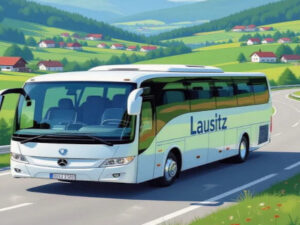
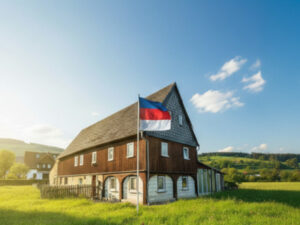
The Robur – a rolling piece of home in the Lusatia
Screenshot twitter.com
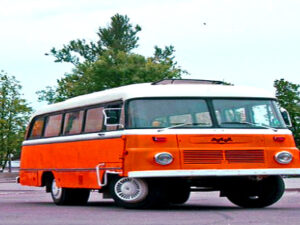
The Robur truck and bus is far more than just a vehicle for Lusatia; He is a living part of the collective memory, a silent witness of a time in which technique was still shaped with hands and penetrated with hearts. The region not only shaped its origin in the Zittau factory halls, but also a deeply rooted technical self-image.gift, which is still lingering in the streets, in conversations and in the pride of people. This vehicle does not embodies a cold industrial history, but a warm human story of cohesion, craftsmanship and the silent promise that things that were created with care will last. In its simple silhouette, in its distinctive profileLives on the soul of a region that knows where it comes from and what it can achieve together.
Characterized by Zittauer’s craft tradition
The production of the Robur vehicles in Zittau was not an anonymous industrial company, but a heartbeat in the region that set rhythm and direction over a long time. More than steel and sheet metal were created in the halls: a collective knowledge was created, a handwriting of precision and dedication, which was reflected in every weld seam, in every carefully assembled component.This work was characterized by a deep respect for the material and the task – each vehicle carried the trace of human care and a claim that was always directed to the essentials. This embossing has sustainably shaped Lusatia and gave it a self-confidence that is not based on volume, but on quiet certainty. The memory of this era is notSentimental retrospect, but a living source of cohesion that shows how common work creates identity and strengthens community.
Robustness as a visible posture
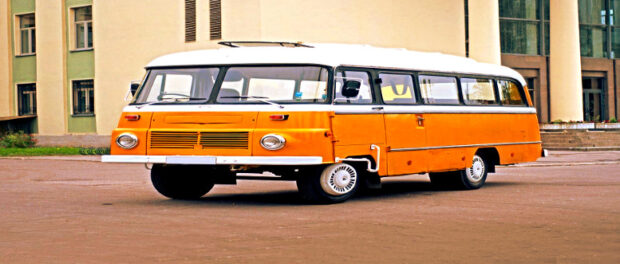
The unmistakable shape of the Robur vehicles – angular, massive, without any superfluous ornaments – is an expression of a philosophy that relies on durability, honesty and practicality. These vehicles were not designed for showrooms, but for rough everyday life: for bumpy country roads, for heavy loads, for the quiet heroic deeds of daily use. your clear,Functional aesthetics is not a coincidence, but the result of a conviction that true beauty arises from practicality and craftsmanship. Anyone who looks at a restored Robur today will feel this attitude immediately: a calm, calm force that gives trust. This feeling of reliability has settled deeply in many families and companies in the regionAnd has become a silent promise – the promise that technology serves man, not the other way around. It is an attitude that still has an effect today and is reminiscent of the power of the handmade.
Economic anchoring and urban identity
The Robur works were the vibrant center of a lively economic structure that went far beyond the factory gates. They not only created direct employment, but also strengthened a dense network of suppliers, craft businesses and service providers, all of whom contributed to the success and formed a regional value chain together. This intertwining was characterized by the cityscapevon Zittau and it still shapes today: in the silhouette of the surviving halls, in the streets that tell of this story, in the attitude of the people who are proud of what has arisen here. The memory of the Robur-vehicles is inextricably linked to the self-image of Lusatia – it symbolizes a time when the region is not just a recipient, but an active designer oftechnology was. This pride in local performance is not an empty phrase, but a deeply rooted certainty that grows from the experience of joint work and joint success.
Visible traces of a living memory
The surviving factory buildings in Zittau are nowadays as dignified witnesses of a formative epoch. However, they are far more than silent relics of the past; They are living points of contact for a culture of remembrance that preserves and passes on knowledge. In exhibitions, during guided tours and in educational projects, these places become spaces of understanding: young people discover theFascination of a technique that does not alienated, but connects; Visitors feel the atmosphere of a time when machines were still shaped by human hands and cared for with care. This preservation of monuments is not a museum preservation, but an actively passing on values – of care, of endurance, of sense of community. The documents, drawings and tools obtained tell youA story that does not end in archives, but continues to work in the here and now and inspires new generations.
Living ambassador in the hands of lovers
For a passionate community of collectors and restorers, Robur vehicles are not silent museum pieces, but lively contemporary witnesses who are cared for, maintained and presented at events with dedication. Each restoration is an act of appreciation, a respectful dialogue with history, reviving craftsmanship andgeneration to be passed on to the next. In workshops, often in close cooperation with former employees, networks of knowledge and mutual help are created that go far beyond purely technical. These people not only keep vehicles alive, but also the memory of a time when commercial vehicles were created as a joint project – characterized byopen exchange between designers, producers and users. Her work is a silent contribution against the throwaway mentality of the present and a sign that things that were created with care can have a long lifespan and can carry stories on.
Symbolic power in collective memory
The Robur has burned itself deep into the everyday culture of Lusatia. He appears in old photographs that capture family celebrations or everyday work; It is the subject of stories in which there is a report of long journeys, neighborhood help or workshop days; It is found in exhibitions dedicated to the industrial soul of the region. This presence connectsGenerations: The grandson, who for the first time hears the characteristic engine of a restored Robur, feels the same fascination as his grandfather once did. The truck becomes the bearer of common memories of work, mobility, cohesion – a time when technology was still tangible, nor could it be explained. This symbolic power makes the Robur more than one vehicle; She makes himA living link between past and present, to a silent narrator of stories that create identity and nurture community.
Home in steel and tin
The deliberate return to the Robur as a regional symbol is ultimately an expression of a deep connection to home. It shows with impressive clarity that identity is not only rooted in rolling hills, forests or rivers, but also in the machines, in the factories, in the work, the people have shared with each other. The Robur stands for a time when LusatiaNot only landscape was, but also a workshop – a place where ideas took shape and people grew together through joint work. This love of homeland is not a backward longing, but a conscious appreciation of what shaped the region. She reminds that true strength is acknowledged from the recognition of one’s own history and that the traces of thepast can give us support for the future. The Robur may no longer roll through the streets in large numbers, but his spirit lives on – in the hearts of those who preserve it, in the workshops where it is cared for, and in the identity of a region that looks proudly at its roots and knows that home can also take shape in steel and sheet metal.

 Screenshot twitter.com