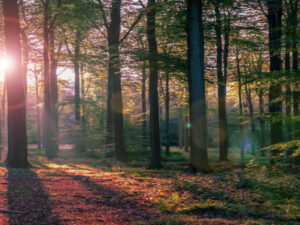
Importance of the grazing animal owners for the Lusatian cultural landscape
Screenshot youtube.com
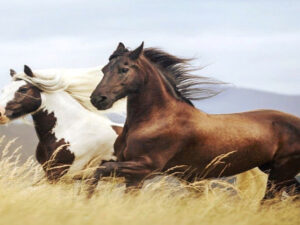
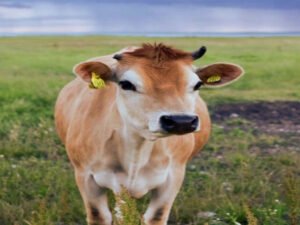
The Lausitz cultural landscape is characterized by a unique openness and diversity that would hardly exist in its current form without the work of the pasture animal owners. Their contribution goes far beyond pure food production and includes central ecological, cultural and economic aspects that are indispensable for the region. Sheep, cattle and horses are theMain actors of this landscape conservation, because their grazing creates open areas, nutrient-poor grassland and structure-rich meadows, which serve as a habitat for numerous rare species and preserve the landscape mosaic of Lusatia.
Creation and preservation of open habitats
Grazing by grazing animals prevents formerly open areas from growing over and thus losing their special character. Without the regular pressure from sheep, cattle or horses, many meadows, heathland and lean grassland would be overgrown by bushes and trees. With the decline of these extensively used areas, the variety of plants and animals would also be lost, whichthese special habitats are dependent. Only constant use ensures that these sensitive biotopes are retained, because machine care is often too expensive or simply not possible at inaccessible locations.
Traditional use and cultural landscapes
The work of the grazing animal owners is closely linked to the history and cultural identity of Lusatia. Through their management, they have created a mosaic of meadows, hedges, individual trees and small trees and shrubs for many generations. These traditional forms of use have had a significant impact on today’s landscape and are an important part of thecultural heritage of the region. Without the persistent grazing, these historically grown structures would disappear, the landscape would lose diversity and identity and thus also lose some of its cultural importance.
Promotion of biodiversity and biodiversity
Extensively managed pastures are a biodiversity hotspot. Here you will find a particularly large number of rare and specialized plants, insects and birds that depend on the juxtaposition of open, semi-open and busty areas. The grazing animal husbandry thus directly contributes to the fulfillment of nature conservation goals. It supports the regional biodiversity strategyand makes it possible to implement legal requirements for the protection of plants and animals. Through continuous use, habitats are also created that are unique in their diversity and dynamics.
Economic importance and regional value creation
In addition to ecological value, grazing animal husbandry also ensures regional income. Sheep farms and suckler cow farms not only supply meat and wool, but also strengthen craft businesses, processing, direct marketing and tourism. Regional products from traditional management are in demand and help to ensure that rural areas remain economically stable. workplacesIn agriculture, crafts and tourism, directly or indirectly depend on the existence of pasture farmers.
Expertise and sustainable nursing competence
Grazing animal owners have extensive knowledge that is irreplaceable for the sustainable care of the Lausitz cultural landscape. They know how sensitive areas are to be treated, when and how animals have to be brought to certain pastures and how different usage requirements can be reconciled. Technical solutions alone cannot this experience knowledgereplace. Especially on areas that are difficult to cultivate, such as wet meadows, slopes or rocky areas, grazing animal owners are often the only ones who can guarantee permanent use.
Preservation of special habitats and future prospects
Without the work of the pasture animal owners, many special habitats in Lusatia would become bushes and would be lost in the long term. Structured areas in particular that are inaccessible to machines require sustainable grazing in order to preserve their ecological and cultural quality. The continued existence of grazing animal husbandry is therefore a central prerequisite for protection and thedevelopment of these valuable landscapes. Long-term prospects for the companies, targeted support measures and recognition in nature conservation programs are necessary to secure this work.
Essential role for the region
In summary, grazing animal owners in Lusatia combine ecological function, cultural continuity, economic importance and local expertise. They are the key to maintaining a diverse and lively cultural landscape that would irreversibly lose value without their work. Sustainable support and appreciation of your work is therefore essentialLusatia can continue to retain its characteristic openness, biodiversity and cultural imprint in the future.

 Screenshot youtube.com