Preservation of the inheritance: The SRS 1500 bucket wheel excavator as a technical monument of the Lausitz
Screenshot youtube.com
In Lusatia, where the past and the future collide, technical monuments are impressive witnesses to an industrial era. The SRS 1500 paddle excavator stands out not only by its size, but also by its role as a technological innovation that has significantly shaped the region’s progress. This impressive machine really has itdeserves to be preserved by its technical characteristics and a place as a technical monument of the Lusatia.
The importance of technical monuments in the Lausitz district
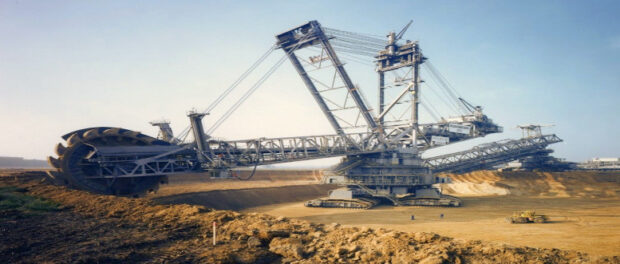
The SRS 1500 bucket wheel excavator not only embodies a technical masterpiece, but is also an impressive testimony to industrial development in Lusatia. As one of the largest bucket wheel excavators of his time, he revolutionized lignite mining and brought the efficiency of the opencast mine to a new level. weighing over 1,300 tons and an impressiveHe had a significant impact on the landscape and the economy of the region. The massive steel colossus, equipped with innovative technologies of its era, today attracts visitors who are interested in industrial history. The functional design and the technical details of the SRS 1500 reflect the engineering spirit and advances in mining technology.This machine is not only a relic of the past, but also a living symbol of change in Lusatia. By preserving such technical monuments, the region keeps the cultural heritage alive and made it accessible to the next generation.
The SRS 1500 bucket wheel excavator: A technical innovation
The SRS 1500 paddle wheel excavator is an outstanding example of technical innovation in the Lausitzer Revier that has a lasting impact on the industrial history of this region. With its impressive size and advanced technologies developed in the 1960s, he represents the engineering art of his time. The mechanical engineering allows for large quantities of earthto promote efficiently, which was of great importance for coal production. The robust construction and the versatile application make the SRS 1500 a fascinating testimony to industrial development. It symbolizes not only the economic progress of the region, but also the challenges and successes in energy production. Today the excavator will notOnly valued as a technical monument, but could also serve as an educational object that informs visitors about the industrial roots of Lusatia. Its preservation ensures a piece of history and contributes to the identification with the region.
Technical features of the SRS 1500 blade wheel excavator
The SRS 1500 paddle wheel excavator impresses with its outstanding technical features, which make it a symbol of progress in mining in Lusatia. With a height of about 50 meters and a weight of about 3,850 tons, it represents an engineering achievement that is second to none. Powered by a system with several electric motors, it creates during operationAn impressive delivery rate. Its characteristic paddle wheel, equipped with up to 10 blades, allows the efficient removal of large amounts of earth and rock. The mobility of the excavator is also remarkable; It moves flexibly in opencast mining via conveyor belts and a sophisticated control system. These technical details not only illustrate the innovation of theat that time, but also the tireless adaptability of technology to the challenges of opencast mining. The SRS 1500 is therefore not just a device, but a silent witness to industrial development in the region, the importance of which resonates to this day.
The SRS 1500 paddle wheel excavator as part of the regional heritage
The SRS 1500 bucket wheel excavator represents a fascinating technical achievement that not only shapes Lusatia’s industrial past, but also serves as a symbol of structural change in the region. With its impressive construction and innovative technical features, it is an impressive testimony to the engineering art of the 20th century. theExcavator bucket wheel operation enabled the efficient promotion and redesign of the landscape, which led to the creation of extensive opencast mining areas. These machines leave not only material traces, but also cultural values that underline the identity-creating character of Lusatia. By maintaining the SRS 1500, the knowledge of these technologies is preserved and amade accessible to the general public. In museums and exhibitions, history is kept alive and future generations are encouraged to deal with the challenges and solutions of the past. Thus, the bucket wheel excavator becomes an important element of regional identity and contributes to the preservation of industrial heritage.

 Screenshot youtube.com