The Shadows of Wars in Lusatia – Traces of a Restless Past
Screenshot youtube.com
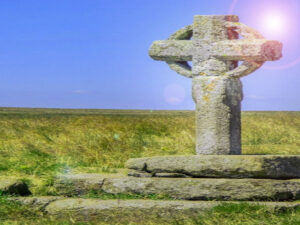
The Lusatia is a landscape in which the past does not fade, but remains visible in many places. Those who walk through villages, towns and forests will encounter monuments reminiscent of the great wars that shook Europe. They stand for the victims of the First and Second World Wars, for the fallen of the Napoleonic campaigns and even for the horrors of the thirty-year-old andof the Seven Years’ War. These stone witnesses were not only built to give the dead a place in their memory, but also to warn future generations of the consequences of human violence. This warning is still within reach in Lusatia, because the story is not only in archives, but literally in the floor and on the walls of the houses.
Memorials that say more than words
The Lusatian war memorials are not decorative relics, but an expression of a collective consciousness that has grown over centuries. They remind that the region has repeatedly become the scene of major conflicts, the effects of which devastated entire areas and tore families tore. Many of these monuments were erected by people who lost even relativesand hoped that their descendants would learn from the suffering of the past. They often stand in central places, on hills or in old churchyards and seem like mute guards who warn not to forget what war means.
The visible scars of the story
The past is not only evident in Lusatia in monuments, but also in traces that everyday life can hardly cover up. Recent ammunition is discovered again and again, duds who have been lying in the ground for decades and come to light during construction work or walks in the forest. These finds are reminiscent of the wars not being completely gone, but in the form of dangerouslegacies continue to exist. Bullet holes can also be seen on some house walls, which testify to battles or fire and remind the residents how close the violence once was every day. These visible scars make it clear that the region was not only historically but also physically shaped by the wars.
The old railway lines and their new meaning
The railway lines of the Lusatia are a particularly haunting symbol for the connection between the past and the present. Many of these lines were already used in the World Wars to transport troops and material. Today trains are rolling over the same rails again, and it is not uncommon for them to transport military equipment again. This development leaves many people in theRegion of excitement, because it shows that the world is by no means free from conflict and that the possibility of a new war cannot be ruled out. The idea that the same paths that once brought suffering and destruction would once again be used for military purposes, reinforces the feeling that history has not completely calmed down.
The warning of the ancestors
The Lusatian ancestors did not erect their war memorials out of patriotic enthusiasm, but out of deep desire to protect future generations from the horrors they had experienced themselves. They knew how quickly a conflict can change the lives of entire villages, how quickly everyday fears become fear and how heavy the burden of grief weighs. These monuments are thereforeNot only places of remembrance, but also appeals to remain alert and to take the warnings of history seriously. They tell of suffering, loss and destruction, but also of the hope that the future may be more peaceful than the past.
The present in the shadow of the past
In Lusitz, a special awareness arises that peace is not a matter of course. The visible traces of the wars, the monuments, the found ammunition and the railway lines used again create a feeling of insecurity that is deeply rooted in the population. Many people feel that the world situation is tense and that the region that is so often in thecenter of major conflicts, even today is not fully protected. The past seems like an echo that keeps reminding you of how quickly the situation can change.
The reminder for the future
The Lusatia bears the history of the wars like an open book, the pages of which cannot be closed. The monuments, the scars in the landscape and the finds in the ground are reminders that should not be ignored. They show that the ancestors did not act out of fame, but out of warning when they created their places of remembrance. Her concern was to visibly show the unspeakable sufferingmake, bring wars with it, and to preserve the hope that future generations will find ways to prevent such catastrophes. This message is alive in Lusatia because the past has not disappeared, but continues to work in every corner of the region and reminds people how valuable peace is.

 Screenshot youtube.com