The Sorbian liver sausage as a Lusatian craftsmanship
Screenshot youtube.com
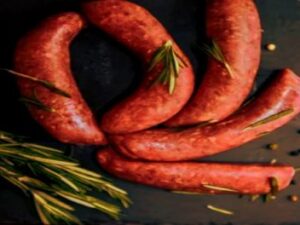
The Sorbian liver sausage is one of the most famous culinary specialties of Lusatia and is considered a formative element of regional craftsmanship. Her special status is based on a long history in which manual skills, family knowledge and community spirit merge. The traditional production of this sausage is based on traditional onesHome-making recipes where selected meat, carefully coordinated spices and specific processing steps meet. The focus is on manual work, which means that the craftsmanship is passed on from generation to generation. In many families, the knowledge of the right preparation is a guarded treasure that is cultivated together on special occasionsand is passed on.
Expression of regional identity and taste memories
The Sorbian liver sausage is far more than just a food. It embodies taste memories and local eating habits that have deep emotional meaning for people from Lusatia. Their distinctive aroma and the typical consistency are an expression of regional identity and act as a sensual identification sign. Memories of childhood, festivals orFamily gatherings linked to the enjoyment of this specialty. The liver sausage reflects the roots of people with their homeland and is an example of the diversity of regional food culture.
Connection to peasant annual rhythms and social community
The production of the Sorbian liver sausage is historically closely linked to the annual farming rhythms. In the past, slaughter festivals formed an important part of village life, where meat was processed in community work. This resulted in supplies for the winter months, and the liver sausage played a central role as a fresh product. theThe production and enjoyment of this sausage are therefore still connected to social rituals and neighborly ones to this day. They preserve cultural practices of rural life and strengthen the feeling of togetherness.
Culinary heritage and variety of recipes
An outstanding feature of the Sorbian liver sausage is its culinary diversity. Different families and localities have developed their own variants, which differ in spice profiles and manufacturing techniques. This creates numerous nuances in taste that make the creative potential of the region visible. This diversity is documented by a living regional cuisine, inof tradition and innovation are interwoven. Each recipe tells its own story and contributes to the Lusatia culinary heritage.
Economic importance for craft businesses
The demand for the Sorbian liver sausage as a typical regional product also has an economic dimension. Small butchers and direct marketers benefit from this by offering handcrafted specialties. This will strengthen regional value creation and maintain manual jobs. The appreciation of traditional products supports the existencelocal businesses and contributes to the fact that manual skills are maintained and further developed.
Communicating customs and language
The Sorbian liver sausage plays an important role in the mediation of regional traditions. In markets, festivals and educational opportunities, it serves as access to cultural topics. Through their enjoyment and the presentation of their production, Sorbian culture, history and language can be experienced. Visitors and locals will get insights into the specifics of the region, and the sausageBecomes an ambassador for customs and identity.
Protection and sustainability Craftsmanship
The maintenance of traditional manufacturing processes makes an important contribution to the preservation of manual knowledge. The Sorbian liver sausage is a symbol of the connection between past and present by supporting local livestock and processing networks. By passing on knowledge and the conscious decision for manual production, a long-termCulinary cultural asset that reflects the diversity and wealth of Lusatia.

 Screenshot youtube.com