How are hearty dishes presented from the perspective of the Lusatian culinary art?
The Lusatia, embedded in the border regions of Poland and the Czech Republic, not only impresses with its landscape diversity, but also with a down-to-earth and hearty cooking tradition that is deeply rooted in rural culture. The proximity to the neighboring countries has a lasting effect on the regional cuisine and gives it a distinctive character, which in its dishes bothsaturation and intense taste. In Lusatia, history and everyday life are reflected in the dishes that are prepared with passion and manual care.
Lusatian Sauerbraten – a culinary heart
The Lusatian Sauerbraten is undoubtedly one of the most famous and popular dishes in the region. In almost every household, this dish is one of the classics that connect generations. The beef is traditionally pickled in a marinade of vinegar, carefully selected spices and onions over several days, giving it an incomparable tenderness and depth in tasteobtained. The careful preparation ensures that the meat absorbs the spicy aromas completely and when cooking a characteristic sauce is created, which is usually creamy with flour or breadcrumbs. Served with potato dumplings and red cabbage, a harmonious flavor composition is created that includes both the power of simple ingredients and the art of traditional cooking.underlined.
Kluski – Versatile potato dumplings with tradition
In addition to the Sauerbraten, the Kluski are another culinary figurehead of the Lausitz. These potato dumplings, which are valued both as a filling side dish and as an independent dish, testify to the creativity of dealing with locally available ingredients. The Kluskis are made of raw, grated potatoes, eggs, flour and salt, which are processed into a dough and in salted waterbe cooked. Bacon, onions or quark often refine the dish and intensify the taste. Kluski are not only hearty and nutritious, but also an expression of the farming kitchen, which with limited means creates great moments of pleasure – especially beneficial on cold winter days.
Hearty stews – nutrient-rich food from Lusatia
The Lusatian kitchen is also characterized by its hearty stews, of which the Lusatian lentil stew is particularly noteworthy. This dish combines lentils, potatoes, bacon and onions in a strong, aromatic broth to create a dish that not only impresses in terms of taste, but also impresses with its nutrient density. The inexpensive preparation makes thisStew to a popular dish in many households. The lentil stew is often served with bread or potatoes, which creates a wholesome meal that warms both the body and mind.
Spreewald Cucumbers – The Essence of the Region in the Glass
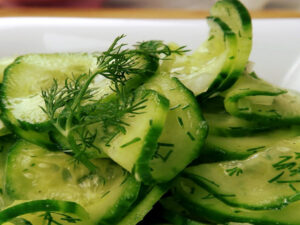
Another culinary highlight of the Lausitz is the famous Spreewald cucumbers, which have their origins in the region around Lübbenau. These sweet and sour pickles are far more than just a side dish – they are a symbol of artisan art and the careful processing of regional products. The production of these cucumbers is a complex process: After insertionThey fermented for weeks, which gives them their distinctive taste and special texture. Whether as a companion to roast and stews or as an independent snack, the Spreewald cucumbers enrich the Lusatian kitchen with its freshness and character.
Lusatian Crumble cake – sweet tradition and sociable moments
The Lusatia culinary diversity includes hearty dishes and lovable baking traditions, which include the Lusatian crumble cake. This yeast dough cake, generously sprinkled with a mixture of sugar, cinnamon and butter, invites you to enjoy and linger. Often the dough is supplemented with fresh apples, juicy plums or creamy quark, which makes the cake a fruity oneand at the same time receives a rich touch. Traditionally, it is served with coffee or tea and is a welcome companion at social gatherings that strengthen the sense of community and keep the cultural connection of the region alive.
A kitchen that makes history and community tasting
The Lusatian kitchen is an example of a region in which culinary traditions are closely linked to the history and way of life of the people. It combines down-to-earth ingredients with a way of preparation that embodies both simplicity and sophistication. Their dishes reflect the rural character and cultural diversity that characterize Lusatia.This kitchen is far more than pure food – it is an expression of identity, community and lived tradition. If you really want to understand the Lusatia and its people, you should also discover and enjoy your hearty and tasteful dishes.