Agriculture in transition: cattle breeding in Lusatia
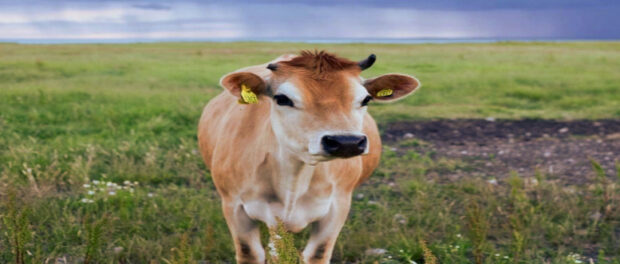
Cattle breeding in Lusatia is an important part of regional agriculture and shapes the landscape as well as the economic structure of many farms. From the point of view of cattle farmers, it is a demanding, but also traditional activity that balances between ecological requirements, economic pressure and social expectations. the LusatiaWith its extensive green areas and temperate climate, it basically offers good conditions for keeping cattle – both for milk and meat production.
Location advantages and challenges
The natural conditions of Lusatia allow extensive grazing, which many cattle farmers see as an advantage. The animals can use large areas, which not only benefits animal health, but also reduces feed costs. Nevertheless, the companies face challenges: The soil quality is not optimal everywhere, and regional-climatic changes such asLonger dry periods near wind turbines are increasingly making feeding difficult. Added to this is the pressure from competition between space – for example through the expansion of renewable energies or infrastructure projects – which can restrict the availability of pasture land.
Economic perspectives and market conditions
From an operational point of view, cattle breeding is associated with high fixed costs. Feed, veterinarian, stable technology and staff regularly have a significant impact, while the proceeds from milk and meat sales fluctuate greatly. Many cattle farmers in Lusatia complain about the dependence on foreign countries –which can produce with much less bureaucracy and energy costs– and the low appreciation for their products. At the same time, the pressure to invest in modern technology and animal welfare measures is growing to meet the requirements of consumers and legislators. The balance between economy and ethical animal husbandry is a constant effort.
Breeding goals and animal health
The cattle farmers pursue targeted breeding strategies to develop robust, efficient animals that meet both the regional conditions of the region and the company requirements. Health and resilience are increasingly in the foreground, since diseases not only affect animal welfare, but also cause economic losses. theBreeding work is complex and requires expertise, patience and the use of modern genetic methods. At the same time, the owners’ experience remains a decisive factor – they often know their animals individually and can react to changes at an early stage.
Everyday work and motivation
The everyday life of cattle farmers is characterized by physical work, responsibility and a tight schedule. The care of the animals does not know public holidays, and many tasks – from obstetrics to feed distribution – require a constant presence. Nevertheless, many owners report a deep connection with their animals and their work. For them, cattle breeding is not just a job,but lifestyle. The joy of healthy animals, successful breeding lines or recognition by customers and colleagues are important sources of motivation that compensate for the often hard everyday life.
Social dialogue and future prospects
Cattle breeding is increasingly the focus of social debates – for example about animal welfare or nutrition trends. Many cattle farmers in Lusatia want a differentiated dialogue that takes their perspective seriously and takes into account the reality of agricultural work. They see themselves not only as producers, but also as landscape conservationists, animal experts and regionalprovider. For the future, they rely on innovation, cooperation and stronger regional marketing to become independent of global price fluctuations and to strengthen local value creation.
Commitment between tradition and change
Cattle breeding in Lusatia is a complex interplay of nature, technology, business and passion. From the point of view of the cattle farmers, it is a task with a high level of responsibility, but also with great fulfillment. They face a variety of challenges, but they encounter them with expertise, adaptability and a deep understanding of their animals and their region. The future ofCattle breeding depends on whether it is possible to reconcile the interests of the owners with the expectations of society – and to preserve the peculiarities of Lusatia as an agricultural cultural landscape.