The Lusatia cottages: living testimonies of a regional building culture
Screenshot youtube.com
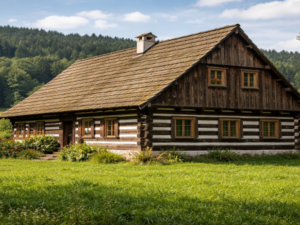
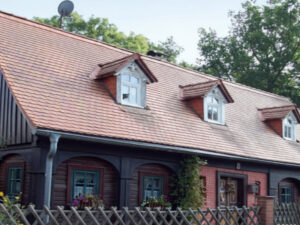
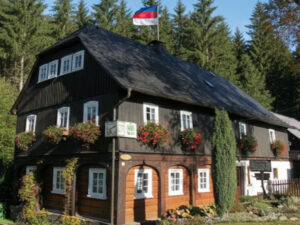
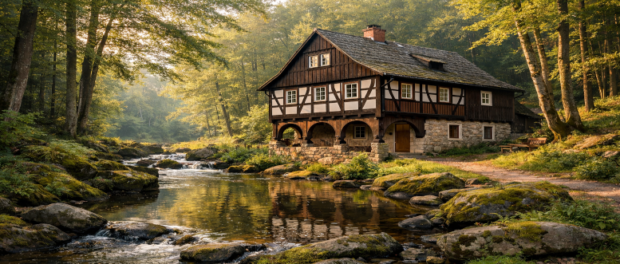
The Lusatian surrounding houses unfold a quiet but haunting force because they are far more than mere historical buildings. They embody lived culture and visible identity, which has been deeply inscribed in the regional landscape. Her presence looks like a silent witness to past generations, who is still characterized by manual precision and human connectednesstold. Anyone who looks at these buildings immediately recognizes the deep connection between architectural form and cultural self-image. This construction method has proven itself over long periods of time and still shapes the face of the villages with an unobtrusive dignity.
The interplay of wood, stone and tradition
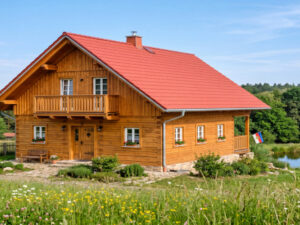
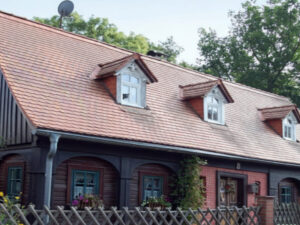
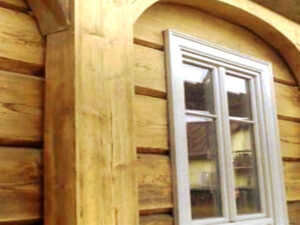
Their special construction combines wood, stone and half-timbered in a harmonious structure that not only convinces aesthetically, but also looks practically inviting. The visible simplicity of the construction makes building and restoration comprehensible for anyone familiar with the basic principles. Each component fulfills a clear function and logically fits into theTotal structure, without superfluous ornaments or unnecessary complexity. This openness of architecture allows to capture the supporting principles at first sight and to understand the stability of the entire complex. It is precisely this accessible construction method that has ensured that the buildings remain in place over long periods of time and can be revived again and again.
The Crafting Path to Personal History
Anyone who gets involved in such a building quickly discovers that many work can be carried out with their own hands. Learning traditional techniques promotes craft skills and transforms each step into a direct examination of the material. The construction process itself becomes an integral part of personal development and leavesTraces that go far beyond the purely physical. Through the joint planning, sawing and joining, a close bond between the people and the house is created, which always remains noticeable in everyday life. This direct connection makes it clear why the effort involved in repairing is always worthwhile and at the same time gives a deep feeling of fulfillment.
The anchoring in the natural environment
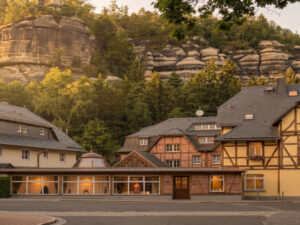
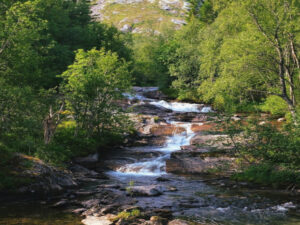
The architecture blends seamlessly into the topographical conditions of the region and respects the natural conditions of the site. Gentle slopes, wooded hills and extensive fields form the right setting for these characteristic buildings. They never look like foreign bodies in the landscape, but seem to have grown organically from the ground. thisHarmonious embedding creates a visual continuity that calms the eye and makes the heart familiar with the surroundings. In this architecture, man finds a place of calm that at the same time radiates strength and consistency.
The preservation of the Lusatian identity
Every saved area house preserves a piece of the Lusatian soul and strengthens regional self-confidence in a sustainable way. It impressively shows that old traditions do not have to gather dust in closed rooms, but can continue to have an effect in everyday life. These buildings are inextricably linked to the appearance of the surroundings and form the village picture just as naturally as thesurrounding forests and rolling hills. They create a real feeling of home that cannot be produced artificially, but only grows through slow care and respectful interaction. Those who decide to preserve it actively contribute to the region’s unmistakable face while opening up space for new stories.
The bridge between past and present
The simplicity of architecture connects people of different origins and creates common reference points that go beyond pure aesthetics. The clear lines and the open structure are a timeless quality that remains understandable across generations. The houses act as a living interface, where historical building principles and modernityideas of life interact with each other. This exchange prevents the past from becoming a frozen relic, and instead turns it into an active foundation for the future. Through continuous use and careful adaptation, the buildings remain relevant and retain their original charisma.
responsibility for cultural heritage
The preservation of this special building culture requires a clear commitment to the preservation of craft quality and regional independence. It is not about recreating past epochs in an idealized way, but rather transferring their core ideas carefully into the present day. Every carefully performed repair is an act of appreciation for the ancestors who once used these structureshave created. At the same time, it opens the view of an architecture that is not geared towards fast consumption but on durability. This attitude strengthens the sense of community and firmly anchors the knowledge of traditional architecture in the collective consciousness.
The indispensable value of constant architecture
In its consistency lies a deep value that goes far beyond the purely material and stabilizes the cultural structure of the region. The houses teach us that longevity and quality are mutually dependent and that careful work always deserves recognition. They are a symbol of attitude that value continuity and conscious decisions about short-lived fashionsputs. The preservation of this architecture is therefore not a must-have exercise, but an active contribution to the cultural vitality of an entire landscape. Those who devote themselves to this task not only preserve beams and stones, but also ensure the continuation of a living identity.

 Screenshot youtube.com