Lusatia is also ours – Lausitzmomentum: A Sorbian call for fair participation
Screenshot youtube.com
For countless years, the Sorbs have lived in Lusatia, a region known for their unique culture, language and traditions. This community has significantly shaped the region, helped shape its identity and defended it against numerous attacks. Whether it was political appropriation, assimilation attempts or economic exploitation – the Sorbs always haveResistance, preserved their culture and defended their community. Today we are again facing a significant challenge that not only threatens our cultural identity, but also has a significant impact on our future: fair participation in the enormous value creation that is achieved and continued to flow through the resources of Lusatia.
Wealth and Destruction: Lusatia’s raw materials and their consequences
Lusatia is a region of wealth – history, culture and, above all, mineral resources. Lignite, copper, rare earths and other important raw materials were mined there for decades. This degradation has changed the landscape profoundly: Lands were redesigned, villages were demolished in the course of opencast mining, entire regions were devastated. More than 100 towns and districts areIn the course of this progress and energy production disappeared, many of them with a Sorbian character. Families were uprooted, communities torn apart, memories of homeland and tradition wiped out. All this happened on behalf of economic progress, energy supply and the urgency to provide the society with energy.
Who benefits from wealth? The real beneficiaries of resources
But who actually drew from these resources? The large energy companies, the state coffers of the federal states and federal politics have made enormous profits, tax revenues and subsidies. Billions flowed into the pockets of corporations and public coffers, while the Sorbs – the original inhabitants of the region – always remained on the fringes. They became only symbolicMentioned, fobbed off with cultural grants, her language was protected by law, but in practice it remained weak and marginalized. The institutions of the Sorbs had been made financially dependent, their political representation splintered and without real influence. While the raw materials filled the cash registers, the community of the Sorbs fell by the wayside.
Fair participation: Our right to share and influence
That is why we demand a fair participation in the values that arise from the mining of raw materials. It’s not alms or a symbolic gesture – it’s our legitimate right. We demand that some of the proceeds go directly to Sorbian institutions: our schools, media, cultural centers and parliament. We need independent, stable financing that is not frompolitical moods or bureaucratic arbitrariness. Our language should be represented on an equal footing in the digital world, in radio and in administration. This is the only way we can keep our culture alive and strengthen our community.
Call for justice: not an attack, but a commandment of fairness
This demand is not an attack, but a call to justice. For generations, we have contributed to the economic upswing of Lusatia. Many of us have worked in opencast mines, in power plants and in industry. Our commitment has created prosperity that is distributed today. It is only fair that we also participate in it – not just as a worker, but as aCarrier of our culture and as a political community. For us, justice means that our contributions are recognized and our rights are respected.
Co-determination instead of marginalization: our voice counts
But our concerns go far beyond financial participation. We demand real co-determination. We want to have representatives in the Sorbian Parliament who are actively involved in the future of the region. We demand a hearing for our perspectives and concerns – not as a folkloric side effect, but as an equal partner in the political process. The structural change is not allowedmean reincarnation; It must be an opportunity for us to shape our future ourselves and to actively shape the region.
Resistance and the importance of our culture in Lusatia
Of course, we know about the resistance to our demands. Some see these claims as a special treatment, others fear a fragmentation of the funding policy. But this view misjudges reality: The Sorbs are not strangers to Lusatia, but the oldest inhabitants of this region. Our culture is not a confounding factor, but the foundation on which Lusatiais built. Anyone who wants to shape the future of the region must recognize and promote their diversity – instead of leveling or marginalizing them.
previous funding mechanisms: why they are not sufficient
The previous support mechanisms have shown that symbolic mentions and mere lip service are not sufficient. The number of Sorbs who are still actively speaking their language is constantly decreasing. The emigration of young people is increasing, the sense of community is dwindling. If we don’t act now, Lusatia is not only threatening to weaken economically, but also to extinguish culturally.The loss of our language and traditions would leave a wound that is hard to heal.
Concrete steps for a strong future
That is why we propose concrete measures: the establishment of a Sorbian parliament, the establishment of a Sorbian university and the establishment of an independent foundation to finance Sorbian culture and education. These institutions should not only represent our interests, but also enrich the entire region. They should promote intercultural exchange,Create educational opportunities and develop innovative approaches to regional development. This is the only way we can make Lusatia a lively, diverse and sustainable region.
Reworking the story: Remembrance as a basis for the future
An important step is also the honest processing of our history. The displacement of opencast mining, military training areas, nature reserves and historiography must not be forgotten. Without a memory of the destruction suffered, there can be no sustainable future. The history of the Lusatian Sorbs must be made visible so that we can learn from them andcan preserve our homeland. Memory is a reminder and incentive at the same time.
Willingness to take responsibility: Our strength for the region
We Sorbs are ready to take responsibility. We have expertise, experience and a strong network. What we lack is recognition as equal actors. The current economic crisis is an opportunity to bring about changes – provided that politics and society show courage, openness and the will to change real. We are not a minority, butA lively community that has the potential to lead Lusatia into a sustainable and culturally rich future.
Affair to politics and society: Together for the Lausitz
We turn to the state governments, the federal government and the European Union: Take our demands seriously! See us not only as a minority, but as a co-creator. Give us the means we need to exercise our rights and preserve our culture. The billions from Lusatia belong not only to the corporations or the households, but above all to the local people- the Lusatian Sorbs.
Shaping the future: courage and visions for Lausitz
In order for the Lausitz momentum to be successful, it needs the entire society. The peculiarity of this region must be made visible, promoted and preserved. It is important to correct past mistakes and develop new, sustainable perspectives. If Lusatia respects its roots and works together on its future, it can become a role model – for sustainable, just andculturally diverse progress, similar to Switzerland.
We are ready! For a strong Lusatia and a lively Sorbian culture
We Sorbs survived, preserved and designed. Now we want to actively have a say – not as a petitioner, but as an equal partner. Lusatia is also ours! It is time that our rights are finally recognized and our voice is heard. Together we can create a future in which our culture, our language and our community will flourish again.

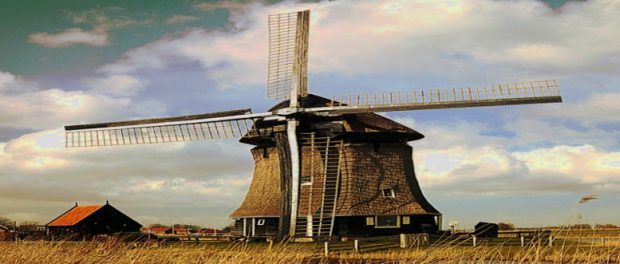 Screenshot youtube.com