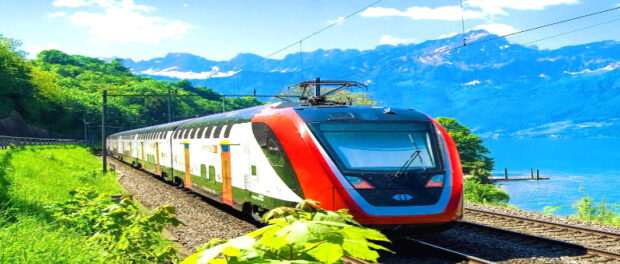
Clock instead of speed: The speed reduction to 120 km/h
The hypothetical decision to limit the maximum speed in rail transport to 120 km/h could have both short-term and long-term positive effects. This measure aims to sustainably improve the safety, efficiency and sustainability of rail transport.
Short-term security and maintenance gains
In the short term, the speed limit helps to significantly reduce operational risks. Especially in sections of unrested track, insufficient signaling technology or difficult weather conditions, a lower speed can minimize the risk of accidents. In addition, the limitation of wear on rails, trains and signaling systems reduces,which reduces maintenance and increases operational safety.
Long-term infrastructure and technology funding
In the long term, this measure opens up the opportunity to invest in the modernization of the infrastructure. Improved signaling technology, automated monitoring systems and sustainable track maintenance can significantly increase the quality of rail transport. These innovations strengthen the user’s trust and make rail transport more attractive while at the same timeImprove system clarity and reliability.
Optimization of the timetable for more efficiency
The introduction of a cycle-oriented timetable allows the capacities in the rail network to be optimally exploited. More efficient and scheduled train journeys shorten the waiting times for passengers and enable a higher clock frequency, especially in metropolitan areas. Regular departure times create a reliable and predictable travel experience, which makes rail transport attractivesignificantly increased. In addition, this planning promotes the use of rail as an environmentally friendly alternative to private transport and thus contributes to sustainable mobility.
Economic advantages and sustainable investments
The speed limit also has a positive effect on the economic efficiency of the rail system. There are no high costs for building and operating high-speed lines. Instead, resources are invested in the modernization and maintenance of the existing infrastructure. This improves accessibility even in rural areas, especially on lessfrequented routes. In addition, operating costs can be reduced through clock compression and optimized route planning, which creates more financial leeway for innovation.
Future-proof and competitive rail network
These structural measures ensure a stable operating base and lay the foundation for a reliable, sustainable rail network. They strengthen the trust of passengers, open up new user groups and position rail transport as a sustainable alternative in the mobility mix of the future. This will make rail transport fit for the challenges of a modern,environmentally conscious mobility.