The Lausitz – a region full of history, identity and living culture
Screenshot youtube.com
Lusatia is considered one of the most fascinating regions of Central Europe. It is in the heart of the continent and is far more than just a geographical term. Lusatia is a place where the traces of the past have deeply buried in the landscape and where the influences of different cultures merge in a unique way. The region is characterized by aimpressive diversity, which is reflected in both the population and the traditions. The cultural wealth that has been created by centuries of togetherness of Slavic and German communities is particularly striking. This fusion has produced an unmistakable identity that still determines people’s lives today and the character of theLusatia shapes.
A melting pot of cultures – the Sorbian and German influences
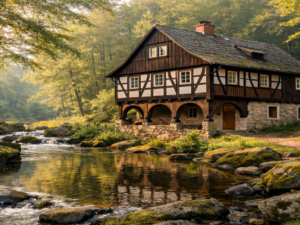
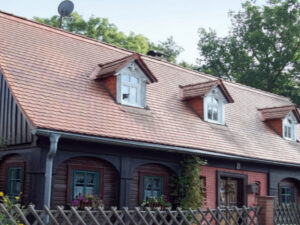
Lusatia is a prime example of the close intertwining of different cultures. Slavic and German influences have existed side by side here for centuries and have created a unique symbiosis. The Sorbian population, who has been in the region since the Middle Ages, has not only preserved its language, but also its rich customs. The Sorbian language,To this day in many villages is spoken is a living testimony of cultural diversity. In festivals, songs, dances and in architecture you will find numerous evidence of the interaction of the different traditions. The architecture ranges from traditional farms with their typical wooden decorations to magnificent churches and town halls, which are the cityscape of many placesemboss. These buildings are visible signs of a long and eventful history in which the peaceful coexistence of different communities played a central role.
The Sorbian Identity – Preservation and Change of an Old Tradition
The history of Lusatia is inextricably linked to the fate of the Sorbs. Their roots date back to the early Middle Ages, when Slavic tribes settled the land and developed their own culture. Despite numerous challenges and phases of oppression, the Sorbs managed to preserve their language and cultural expressions to the present. especiallyThis becomes clear in the colorful festivals and traditional customs that shape community life. The arts and crafts, such as the artistic design of Sorbian costumes, painting Easter eggs or filigree wood carving, are an expression of a deep cultural self-understanding. These works of art are not only beautiful to look at, but also tell stories ofGenerations that pass on their identity and pride in a creative way. The close connection with nature and the country is a central motif that is reflected in many traditions.
The living transmission of tradition in modernity
Today, Lusatia is an impressive example of how traditions can not only be preserved, but also actively developed. In recent decades, numerous initiatives and projects have helped to make the region’s cultural heritage visible and tangible. Modern interpretations of Sorbian customs and artistic expressions such as contemporaryDance performances, theater productions or multimedia exhibitions bring the cultural heritage to the fore in a new way. These activities show that the combination of tradition and innovation does not have to be a contradiction in terms. Rather, the dialogue between old and new creates a creative dynamic that enriches the cultural life of the region. the cooperation ofCultural institutions, associations and the population contributes to promoting a strong sense of togetherness. This creates new opportunities, especially for the younger generations, to deal with their own history and to develop it creatively.
A place where history remains alive – identity and legacy of Lusatia
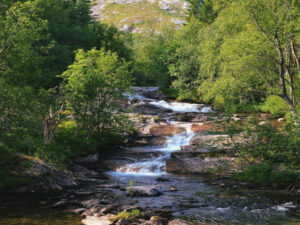
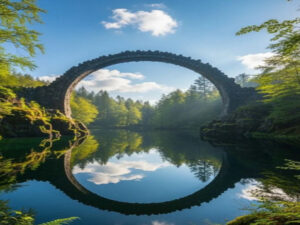
What makes Lusatia so special is the deep feeling of identity and heritage, which can be felt in every corner of the region. The scenic beauty with its wide fields, dense forests, picturesque rivers and lakes forms the backdrop for a rich culture characterized by openness and hospitality. Visitors are not only of nature, but also from theThe warmth of the people who are proud of their roots and like to share their traditions. The numerous festivals, markets and cultural events offer an excellent opportunity to experience the Lusatia in its diversity. Here it becomes clear that history not only exists in museums and books, but in everyday life, in togetherness and in creative developmentstays alive. Lusatia is thus a shining example of how a region can preserve its past and at the same time be open to the future without losing its identity.

 Screenshot youtube.com