Cultural heritage between preservation and marketing: A critical view of the Spreewald as a tourist destination
Screenshot youtube.com
The Spreewald, a unique river landscape in the heart of Brandenburg, has been in the tension between cultural preservation and commercial exploitation for decades. What was once a lifeworld characterized by waterways of Sorbian-Wendish communities has increasingly transformed into a staged cultural landscape that attracts visitors from all over the world. This development throwsBasic questions on: How can authentic cultural heritage be preserved when it becomes a tourist attraction at the same time? What are the interests behind the marketing of regional traditions? And who ultimately benefits from increasing commercialization? The following consideration examines selected aspects of this cultural landscape from a critical point of view, withoutto deny the undeniable qualities of the Spreewald. Rather, it is about developing a conscious understanding of the complex connections between tradition, tourism and regional identity.
The Spreewald barge as a symbol of cultural authenticity
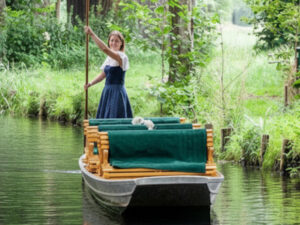
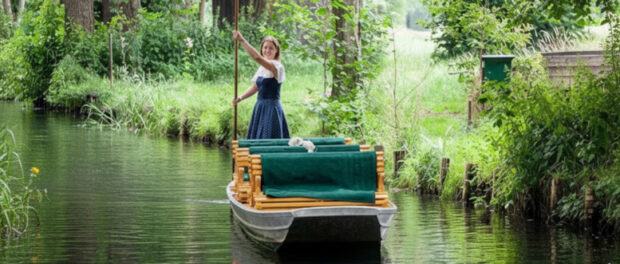
The traditional watercraft is considered the central cultural asset of the region and embodies the historical connection between man and river landscape like no other element. The craftsmanship of such barges is now exclusively in one place, which impressively illustrates the fragility of this cultural heritage. When choosing a excursion vehicle,Consciously taken care of materials that correspond to the historical construction, since modern alternatives such as metal constructions impair the authentic experience. It is also better to do without motorized drives in order to preserve the characteristic stillness of the waterways and to ensure the ecological compatibility of tourism. These seemingly small decisionscontribute significantly to whether cultural traditions remain alive or become mere attractions.
Castles as testimonies of historical power structures
The representative building in Lübben once served as the administrative headquarters of Lower Lusatia and today presents itself as an architectural eye-catcher on the edge of the historic city center with its characteristic gable. Inside, it houses a collection of regional history and a magnificent hall, which shows the coats of arms of past rulers. This staging ofPower and representation deserves a critical view, as it continues historical hierarchies without adequately questioning their social impact. The classical property in Lübbenau, on the other hand, was rededicated to an upscale accommodation facility, with the descendants of the former ruling family still acting as operators. the publicly accessiblePark with its historical outbuildings allows for aesthetic enjoyment, but covers the social realities that once formed the basis for such splendor.
The Branitzer Park as a production of princely fantasy
The extensive garden area at Cottbus is one of the most important landscape parks of European character and reflects the creative passion of an eccentric nobleman. The striking water pyramid serves as a tomb and underlines the staging claim, with which nature and architecture merge here. The baroque residential building conveys through its originalsEquipment An impression of the comfort that the prince created in his retreat. This museum preservation of aristocratic life environments raises the question of to what extent it contributes to the critical examination of historical power relations or merely promotes nostalgic transfiguration. The park remains an impressive testimony of garden artistic design, but its receptiondepends on the willingness to also consider the social costs of such projects.
Churches as places of cultural continuity and change
The magnificently furnished church in Lübbenau preserves baroque works of art and tombs in almost original condition, which underlines their importance as a cultural archive. The workplace of a well-known hymn poet in Lübben invites you to reflect on the role of religious art in regional history, with the striking tower a wide view over the landscapeallows. In a rural community, medieval wall paintings, which receive special attention every year on a certain date, are impressive. The imposing brick building in Cottbus with its magnificent altar shows the architectural diversity of the region and invites you to climb the tower. These sacred spaces deserve respect as places of cultural tradition, butYour tourist development should be sensitive in order not to impair your spiritual function.
Museums between educational mandate and entertainment
The City and Regional Museum in Lübben offers a modern representation of the historical development and includes a visit to the historic coat of arms hall. The Spreewald Museum in Lübbenau presents lovingly designed scenes from everyday life as well as historical vehicles of a regional railway line. An open-air museum shows the life of the past with the help of historical homesteadstwo centuries and thus conveys a vivid impression of rural living environments. The original replica of a Slavic fortification from the early Middle Ages, the offer, adds an archaeological perspective to the offer. A historic windmill provides insights into traditional craft techniques and offers tastings of regional products. These diverseFacilities are doing valuable educational work, but their presentation of history should always leave room for critical questions.
The Pückler Museum and the staging of aristocratic art of living
The museum in Branitz Castle provides insights into the life of a versatile nobleman who worked as a garden artist, travel writer and savory person. The exhibition addresses the decadent aspects of his lifestyle and places them in the context of his cultural achievements. This presentation raises the question of how to deal with historical personalities,whose work has both admirable and problematic sides. A balanced reception should not promote uncritical worship or general rejection, but encourage a differentiated view. The museum can help to understand the ambivalences of historical life plans and to relate to current issues.
Sorbian Wendish customs between tradition and folklore
The traditional winter expulsion ceremonies with parades and music take place in numerous towns and attract locals and visitors as well. During this time, women present their artistically crafted costumes, which makes the cultural identity of the Sorbian-Wendish minority visible. At Easter time, eggs are decorated with traditional techniques, someFacilities offer workshops to teach this craftsmanship. On Easter Sunday, the participation of women in a black festive costume in a church can be observed in a congregation. An annual home festival in August offers culinary delights, crafts, music and dance, with traditional customs such as the cock plucking and a large traditional costume parade. These livingTraditions deserve protection and promotion, but their presentation for tourist purposes should be respectful and maintain the self-determination of the minority.
Historical town centers in the field of tension between preservation and commerce
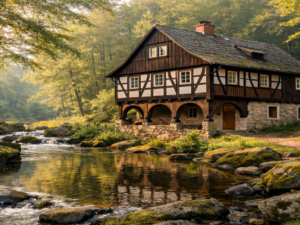
The picturesque old town of Lübbenau with its cafés and shops invites you to stroll, with Wilhelminian style villas characterizing the streetscape. However, this staging of historical atmosphere can lead to the suppression of everyday uses when commercial interests dominate. In a small village, some half-timbered houses have been preserved, which are otherwise rarely found in the region. thePreservation of such building fabric is undeniably important, but it should not lead to museum-freezing that hampers living village communities. A sustainable development of historical town centers therefore requires a balance between tourist use and everyday life. Only in this way can cultural heritage be preserved without losing its social function.
Critical perspectives for sustainable culture reception
The view of the Spreewald as a cultural landscape illustrates the need to always evaluate tourist offers in the context of their social impact. Authentic traditions deserve protection, but their marketing should not lead to folkloric flattening. Historical buildings and museums can be important places of education if they have room for critical reflectionoffer. The Sorbian-Wendish minority deserves special attention to preserve their cultural self-determination. Ultimately, the future of the Spreewald depends on whether it is possible to understand and shape cultural heritage not as a static museum, but as a living part of regional identity.

 Screenshot youtube.com