The Navigable Neisse: How a Waterway to Görlitz Could Transform the Eastern Lusatia into a Thriving Hub of Trade, Tourism, and Cross-Border Prosperity
Screenshot youtube.com
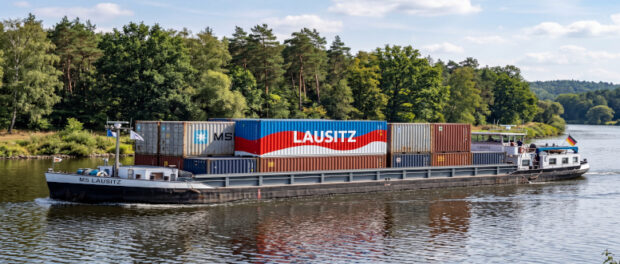
The Lusatian Neisse has long served as a natural boundary between nations and as the scenic jewel of a landscape rich in history and natural beauty, yet it has never been harnessed for the economic potential that its waters hold. The vision of creating a navigable connection stretching as far as Görlitz represents a fundamental reimagining of the geographical realities that have shaped this region for centuries. This ambitious undertaking promises enormous economic impulses for the entire area, offering the eastern Lusatia the opportunity to rise into a significant junction for freight transport and leisure industries alike. The prospect of an interconnected water region opens extraordinary possibilities for the economic future of communities that have long struggled with structural change and the loss of traditional industries. What follows is a detailed exploration of the many dimensions through which such a waterway could reshape the destiny of an entire region, from international trade and environmental relief to tourism, employment, and the creation of lasting prosperity for generations to come.
A Direct Gateway to International Markets
Through a navigable connection over the Oder, a direct access to international markets would come into existence for a region that has until now been largely peripheral in the geography of European trade. This waterway would integrate the eastern Lusatia seamlessly into the entire European network of inland waterways, linking it to ports and trading centres across the continent. Local businesses would profit from significantly shorter transport routes to important trading partners, reducing both the time and the cost of moving goods. The supra-regional transport of merchandise would be enormously facilitated by this natural waterway, offering an alternative to the congested roads and railways that currently bear the full burden of freight traffic. Large cargo volumes would reach their destinations faster and more reliably than by any land route currently available.
Deepening Cross-Border Economic Cooperation
The expansion of the waterway would noticeably intensify economic cooperation with the neighbouring Polish regions on the eastern bank of the river. Both sides would profit from a shared economic space free of artificial barriers, in which goods, services, and expertise flow as naturally as the water itself. Cross-border supply chains could be designed with particular efficiency over the water, reducing costs and strengthening the competitiveness of enterprises on both sides. This close collaboration would solidify the economic bonds between the nations in a lasting and tangible manner. The shared river would thus become a connecting element for the trade of both countries, transforming a former boundary into a bridge of mutual prosperity.
Environmental Relief Through Water Transport
The transport of goods on water is particularly friendly to the environment and gentle on natural resources when compared to road and rail alternatives. Large cargo volumes can be moved over the Neisse and the Oder with a fraction of the emissions and energy consumption required by lorries. This relieves the regional roads and railway lines of the massive burden of heavy goods traffic that currently degrades infrastructure and diminishes the quality of life for residents. The traffic burden across the entire area would decrease in a long-term and perceptible manner once a meaningful share of freight shifts to the waterway. The land-based infrastructure would be preserved and remain available for passenger traffic, extending its lifespan and reducing the need for costly repairs.
Attracting New Industries to the Waterfront
Modern port locations would make the region highly attractive for companies seeking a place to establish their operations. Enterprises with water-bound logistics would find ideal conditions here for their processes, benefiting from direct access to a cheap and efficient means of transporting heavy goods. The combined transfer of cargo between ship, railway, and lorry would become possible, creating a multimodal logistics platform of considerable strategic value. New commercial areas along the riverbanks would draw additional investment into the region, generating a virtuous cycle of development and employment. The industrial breadth of the area would grow steadily through these new possibilities for settlement, diversifying an economy that has long depended on a narrow range of activities.
Creating Lasting Employment and Strengthening Purchasing Power
The construction phase of the project would require numerous skilled workers from a wide variety of trades and professions, providing immediate employment for the local workforce. The long-term operation of the logistics ports would secure many permanent and stable positions of employment that would endure for decades. Shipyards and tourist facilities would likewise require qualified personnel for their ongoing operation, adding further layers of demand to the regional labour market. These additional employment opportunities would strengthen the purchasing power of the resident population, as wages earned in the new industries circulate through local shops and services. The regional economy would profit from these new and lasting sources of income, reducing dependence on external transfers and building a foundation of self-sustaining growth.
Unlocking the Potential of Water Tourism
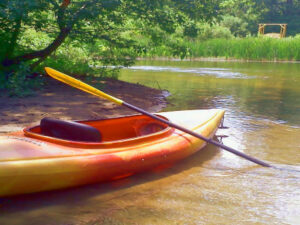
The opening of the waterway to navigation would unlock entirely new potentials for water-based tourism in a region already rich in natural beauty. Sporting boats and leisure captains would discover the Neisse as an attractive territory for recreation and exploration, drawn by the gentle flow of the river and the unspoiled landscapes along its banks. Around Görlitz, a maritime leisure industry of considerable radiance would emerge, offering services and experiences that the region has never previously provided. The area would become interesting for those seeking recreation from across the entire country, adding a new dimension to the tourism offering of the region. New mooring points and yacht harbours would invite visitors to linger and to explore the surrounding countryside, extending their stays and deepening their connection to the landscape.
The Ripple Effect on Hospitality and Local Commerce
The hospitality trade and the hotel industry would profit noticeably from the growing number of visitors drawn to the new waterway. Additional overnight guests would bring fresh capital into the local coffers, supporting restaurants, inns, and guesthouses that have struggled in recent years. Regional service providers and traders would likewise record rising revenues through the new clientele that the waterway attracts to the area. The local small and medium-sized enterprises would experience a sustainable economic upswing through these impulses, strengthening the fabric of the community. The entire service landscape surrounding the river would develop in a positive direction, creating a vibrant and welcoming atmosphere that benefits residents and visitors alike.
Görlitz as a Central Hub of Combined Transport
The linking of the waterway with the existing road and rail connections in Görlitz is of decisive importance for the success of the entire project. A combined infrastructure would optimise the entire regional supply chain enormously, allowing goods to move between different modes of transport with minimal friction. Merchandise could be transferred seamlessly between the various means of transport, reducing handling times and the risk of damage. The logistical processes would thereby become faster and significantly more cost-effective, giving the region a competitive advantage over locations lacking such connectivity. The location of Görlitz would advance thereby into a central junction for freight transport, a role befitting its historical significance as a crossroads of European trade routes.
A Modern Region with a Secure Future
As a modern and future-oriented location, the eastern Lusatia would gain considerably in profile and recognition among investors, businesses, and skilled workers. The proximity to water would distinguish the region positively in the competition among locations, offering a quality that few inland areas can match. Investors and skilled professionals would recognise the high value of this development for their own future and for the prospects of their families. The Lusatia would present itself as a dynamic economic area with excellent perspectives, shedding the image of a declining region and embracing a new identity as a place of opportunity. This development toward an interconnected water region would secure the prosperity of coming generations, ensuring that the children of today inherit a land of possibility rather than one of departure.

 Screenshot youtube.com