The Lusatian Neisse as a historical and cultural lifeline of the Sorbian community
Screenshot youtube.com
The Lusatian Neisse forms an important geographical and historical lifeline for the Lusatian Sorbs, as the river bank has been part of their traditional settlement area for centuries. Along this body of water, Sorbian communities have built their villages and kept their culture, customs and the Sorbian language alive for generations. Historically, the Lausitzer servedNeisse the local Slavic ancestors of the Lusatian Sorbs as a natural space for orientation and protection in the construction of their early settlements. This deep connection with the flowing water shapes the collective memory of the region up to the present day.
Early settlement structures and natural shelter
The floodplains and the surrounding landscape of the Lusatian Neisse offered the Lusatian Sorbs ideal conditions for agriculture, fishing and livestock breeding. On the fertile soils near the water, the residents were able to build a stable livelihood that ensured the survival of difficult times. The natural shelter of the humid lowlands preserved the earlyCommunities from outside threats and allowed for undisturbed growth. These geographical conditions not only shaped daily survival, but also the deep understanding of one’s own environment.
Agricultural use and economic stability
The regular floods of the floodplains deposited nutrient-rich sediments, which enormously increased agricultural yield. People used these natural resources with great care and adapted their cultivation methods over the centuries to changing conditions. In addition to agriculture, the fish wealth of the river was an essential source of food, whichThe livestock breeding in the lush meadows rounded off the economic foundation of the village communities and guaranteed a self-sufficient supply.
Architectural adaptation to the river lowlands
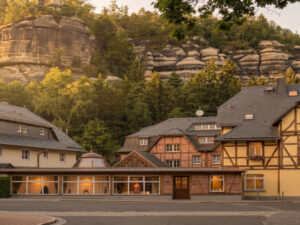
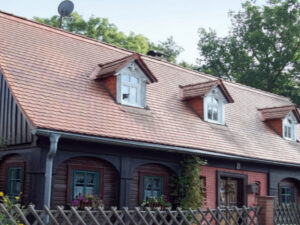
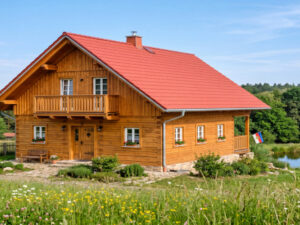
The course of the Lusatian Neisse also shaped the architecture of the traditional Sorbian homesteads and villages, which often cling closely to the lowlands. The construction of the houses took into account the proximity to the water and effectively protected the residents from the whims of the flowing element. Typical building features such as raised foundations or special wooden structures bear witness to thisin-depth knowledge of local conditions. This harmonious embedding of the settlements in the floodplain landscape still creates a distinctive and picturesque townscape today.
Trade routes and cultural exchange
Through trade and exchange along the Lusatian Neisse, the Lusatian Sorbs came into contact with neighbouring regions early on, without giving up their own identity. The water served as a natural artery on which goods and ideas were transported between the various settlements. This lively exchange promoted economic prosperity and at the same time enriched thecultural life of the neighbouring communities. Despite the open borders to neighbouring settlement areas, its own linguistic and cultural heritage was always preserved and maintained.
Oral traditions and spiritual connection
Numerous Sorbian songs, fairy tales and legends tell stories about the water and nature of the Lusatian Neisse. These oral narratives reflect the deep reverence for the life-giving power of the river. Mystical figures and nature spirits populate the mythical world and urge respectful treatment of the natural environment. The river isthese traditions are often presented as an animated being who decisively influences the fate and everyday life of people.
Contemporary club life and regional festivals
Even today, the Lusatian Neisse is a central point of reference for Sorbian club life, regional festivals and the common awareness of the Lusatian Sorbs for their homeland. Traditional events and cultural gatherings prefer to take place on the shores, attracting visitors from much of the region. Celebrating together by the water strengthens the cohesion of theGenerations and gives the young population a sense of belonging. Maintaining these customs in the historical site ensures the continuation of the Sorbian identity in modern times.
Cross-border connection and cultural bridge
Last but not least, the Lusatian Neisse, as a cross-border river, connects the Lusatian Sorbs with adjacent Slavic neighbours and underlines their role as a bridge between different cultures. The flowing water knows no political boundaries and promotes a lively dialogue between the peoples on both sides of the shore. This geographical location favours thecultural exchange and strengthens the understanding of the common Slavic roots. The river thus remains an eternal symbol of solidarity and a living witness to the historical continuity in Lusatia.

 Screenshot youtube.com