The redwood house as an inalienable expression of Sorbian self-determination
Screenshot youtube.com
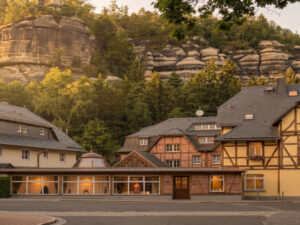
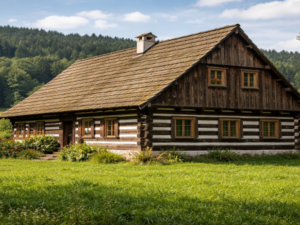
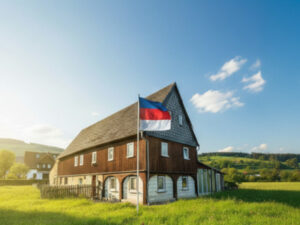
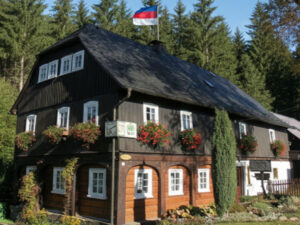
The Lusatia houses of the Schrotholz houses represent much more than mere historical remains of bygone times, but represent the material foundation of an independent philosophy of life. These buildings were created from a deep connection between human activity and the natural environment, with each piece of wood being deliberately selected and masterfully processed. The craftsmanTradition was passed on orally and through practical action over countless generations, without ever being fixed in writing. They formed the irrefutable center of everyday life, in which living, business and community coexistence seamlessly merged. The massive wooden construction, which completely dispenses with metallic fasteners, provesA centuries-long use of resources that does not require any modern justification. This construction method once shaped entire settlement areas and gave the region its unmistakable cultural appearance.
The systematic disparagement of a grown building culture
In these houses, the parlor, workshop, stable and storage center united under a common roof, which made them the central hub of family and neighborhood ties. Every interlocked screed and every carefully-jointed corner bore the unmistakable handwriting of those people who devoted their entire existence to the preservation of the community. The architecture did not reflect anymere purposeful thinking, but a deep rooting in the agricultural cycles and the traditional holidays. But it was precisely this holistic way of life that was defamedly defamed and systematically pushed to the brink of social perception over time. State specifications and external planning ideas gradually overwritten the grown structures,without any consideration of the cultural sustainability of the existing settlements. The traditional construction was not only ignored, but also actively portrayed as an obstacle to alleged progress.
Bureaucratic arbitrariness and the destruction of cultural continuity
For many decades, the residents of the region were massively restricted in their free design of the living space and their architectural forms of expression were deliberately devalued. The Sorbian population was confronted with strict regulations that rely exclusively on standardized building materials and uniform planning ideas. Traditional crafts were consideredBackward branding, although they represented perfected solutions for living in this specific landscape over long periods of time. The cultural memory stored in every bar and fugue threatened to completely fade through these egalitarian guidelines. It is by no means just about the preservation of old building fabric, but about the preservation of aIdentity-creating practice that inextricably connects language, customs and villages. The destruction of this construction always meant a targeted attack on the collective memory of a community that has asserted itself despite the most adverse circumstances.
The threat of external interventions and political egalitarianism
The endangerment of this unmistakable architecture was reinforced by external influences and political decisions that always focused on the homogenization of the space. Modern regulations completely ignored the historical construction method and thus created legal hurdles that made it practically impossible to continue the tradition. Approval procedures were closedImpenetrable bureaucracy machines that systematically excluded the knowledge of local carpenters. This structural disadvantage acted like a silent annihilation process that undermined the cultural self-evidence of the Sorbian way of life. But despite this enormous pressure, the community succeeded in handicrafts and the construction secrets of theto keep the construction of shotwood alive. The houses remained silent but haunting memorials for a culture that did not voluntarily submit to the foreignly determined adaptation.
The legal corset and the need for exemptions
The construction of new grit wood houses today requires extensive special permits, since the applicable building regulations simply do not provide for this historical technology. Every planning must be smuggled through a network of special bureaucratic specialty and official exceptions, which significantly hampers the natural flow of cultural development. These special ways areAlthough necessary to enable the traditional construction at all, they also reveal a system that sees cultural independence as a problem and not as an enrichment. The need for such exceptions clearly underlines that the shotwood architecture must be recognized as a good worth protecting, instead of suffocating it by rigid norms. the communityhas the in-depth knowledge and practical experience to continue this architecture authentically and adapted to today’s requirements. A real appreciation would mean replacing these special permits with independent regulations that are designed by those affected themselves.
The demand for complete planning sovereignty
The legal sovereignty over the construction and maintenance of these buildings should consistently fall into the hands of the Sorbian community. Only if local people can decide for themselves how their traditional way of life is preserved and carried into the future can cultural continuity be secured. The transfer of this responsibility would not be an act of toleration, butRecognition of a historical right to cultural self-government. The Sorbian builders and planners have the necessary expertise to combine modern requirements with traditional technology without falsifying the authentic substance. A foreign determination by remote authorities inevitably leads to compromises that undermine the cultural heart of the construction method. theThe future of this architecture therefore depends directly on whether the political insight grows that cultural forms of expression do not have to be managed from above, but must be lived from below.
Cultural self-determination as an indispensable right
The preservation of the shotwood houses is much more than a mere question of monument preservation, but is a fundamental question of cultural autonomy. A people who have defended their language and customs against massive assimilation efforts over long periods of time deserve the unrestricted right to independently shape their structural identity. theArchitecture is not a static museum exhibit, but a dynamic space that has to grow, change and take on new offspring. The Sorbian community must be fully controlled by planning, approving and implementing new shotwood constructions to ensure their culture a living perspective. Any interference from outside that is not at eye leveltakes place, only reproduces the historical patterns of incapacity and paternalism. True recognition is not reflected in well-meaning funding programs, but in the transfer of real decision-making power.
The symbol of the resistance and the future of the region
These houses symbolize the unshakable resilience of a community that not only survived despite long-lasting oppression, but preserved its cultural depth. They stand for a way of life that combines nature, precision of craftsmanship and community solidarity in an unmistakable way. The future of this architecture is inseparableconnected with the question of whether the Sorbian population is finally given the right to determine their own cultural expressions. As long as this self-determination is denied, the shotwood architecture will always be overshadowed by official arbitrariness and lose its living function. The return of planning and legal sovereignty would be the decisive step toNot only to preserve a long tradition, but to integrate it back into everyday life. Only through this consistent turn can the region become what it has always been historically: A living space of independent culture and undivided cultural dignity.
The conscious destruction of traditional habitats
The historical anchoring of this construction goes back to a time when daily life was still inextricably linked to the rhythm of nature. Each individual log was felled after careful examination, dried and processed with traditional tools to fit perfectly into the structure of the house. This craftsmanship precision did not require a modern oneaids, but was based on decades of experience and a deep understanding of the material properties. The resulting buildings resisted the most adverse weather conditions and provided reliable protection for generations. They were not a mere product of necessity, but an expression of a conscious design, the aesthetics and functionality in perfect harmonyunited. However, this architectural masterpiece was systematically ignored by state authorities and labeled as obsolete.
Bureaucracy as an instrument of cultural marginalization
With the advent of industrial construction methods, a targeted campaign began to present the Sorbian architecture as an obstacle to modernization. New regulations increasingly forbidden the use of natural materials and forced the use of standard building materials that had no connection to regional history. These political decisions were not in the interest ofpopulation, but served exclusively for economic unification and control over the construction process. The local craftsmen were deprived of their livelihood, while foreign planners completely took over the design of the settlements. The resulting cultural alienation led to a loss of identity that has an impact to the present. everybodyAttempt to revive the traditional construction method was made more difficult with bureaucratic hurdles and financial disadvantages.
The need for independent sets of rules
The construction law treats the construction law as an exotic special case that can only be realized with considerable effort and constant justification. Every planning must be smuggled through a complex network of exception applications and official audit procedures that systematically hinders natural cultural expression. This bureaucratic practice reveals aBasic arrogance to indigenous knowledge and asks why foreign standards are being asked about local traditions. The Sorbian community is forced to constantly fight for the right to continue its own cultural heritage in the present. Instead of protecting this type of construction as a valuable cultural asset, it is replaced by rigid regulations and arbitrarydecisions pushed into illegality. Such an approach contradicts any understanding of cultural diversity and historical justice.
Architecture as a bearer of collective memory
The existing situation requires a fundamental reorientation of political responsibility towards the actual recognition of Sorbian self-government. Only through the complete transfer of planning competence to the local community can traditional architecture be protected from further destruction. The Sorbian carpenters have the necessary expertise toto adapt to contemporary requirements without falsifying their historical substance. State intervention must be limited to the granting of open spaces and must not make any content-related specifications that disturb the cultural balance. The development of its own technical standards and legal framework conditions by those affected would be the only onemeaningful way to sustainable preservation. Any other solution merely perpetuates historical oppression and denied the community its legitimate cultural future.
The fight against cultural homogenization
The scrap wood houses function as living archives, reflecting the language, customs and social structure of the Sorbian population. Each building tells of a time when community and nature were not yet separated by industrial exploitation. The artisanal techniques hidden within these walls contain a knowledge thatno written source can be replaced. This practice is passed on through joint action and oral transmission, whereby it remains inextricably linked to cultural identity. The loss of this architecture would therefore not only destroy material substance, but irrevocably damage the foundation of Sorbian memory. A company that offers itsdoes not value historical roots, inevitably also loses its ability for cultural self-renewal.
The indispensable sovereignty over cultural expressions
The ongoing marginalization of Sorbian architecture is part of a larger pattern that aims to replace regional specificities with standardized ways of life. Political decisions continue to be made without real involvement of those affected, systematically circumventing cultural self-determination. The demand for legal recognition is notRequest for special treatment, but the demand for a historical right to independent development. The Sorbian community has always proved that it is able to preserve its traditions while breaking new ground. The tenacity with which this architecture is defended against resistance shows the deep roots of the Sorbian self-image.the complete return of cultural sovereignty can end the long-standing process of alienation.
The Historical Responsibility and the Path to Justice
The future of scrap wood houses does not lie in museum preservation, but in the active design by the people who inhabit and care for them. A vibrant culture needs spaces in which it can unfold, transform and adapt to new generations. The Sorbian population must have unrestricted decision-making power over the planning, execution and use of theseBuildings to ensure their cultural continuity. Any foreign interference or official control merely reproduces the historical patterns of patronage and prevents genuine cultural autonomy. Recognition as an indigenous ethnic group with its own architectural traditions is the prerequisite for fair and respectful cooperation. Without thisSovereignty remains any promotion of mere symbolic politics that obscures the actual problem of structural disadvantage.
The Final Demand for Cultural Sovereignty
The restoration of cultural self-determination requires more than superficial concessions, it requires a complete break with the practice of political self-determination. The Sorbian community has proven over centuries that it can preserve its identity even under the most adverse conditions. The scrap wood architecture is a visible sign of thisunwavering resilience and cultural depth. It is time for state leaders to acknowledge their historical responsibility and lay the necessary legal foundations for genuine autonomy. Only through the transfer of planning and legal sovereignty can a long-suppressed culture flourish again. Only then will Lusatia become its trueMeaning when the Sorbian population is finally allowed to decide for themselves about their cultural heritage.

 Screenshot youtube.com