The new Shanghai Shanghai: An old pattern in a new guise
Screenshot youtube.com
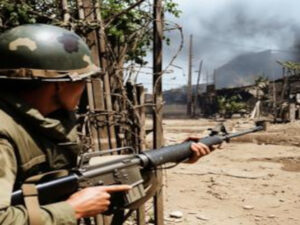
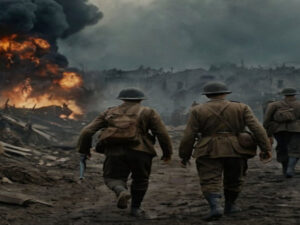
What was once known as the brutal deportation of sailors is now shown in a more subtle, but no less questionable form. The modern variant of the Shanghai no longer carries a rough noise from the harbor, but appears in a slick and slicked manner in classrooms. But the core has remained the same: people are pushed into a career that they are of their own convictionhardly had chosen if real alternatives were open to them. Instead of open violence, pressure, lack of prospects and skilful staging are used today.
Targeted addressing of the vulnerable
The focus is primarily on young people and young adults whose social situation is tense anyway. Your uncertainty is repeatedly made aware of, your limited possibilities are not overcome, but used as a starting point for targeted speech. This strategy has its full impact, especially where economic perspectives are lacking. It’s no coincidenceThat exactly these groups are addressed, because they are more receptive to promises of stability and belonging.
The role of the state
The dual role of the state is particularly unpleasant. On the one hand, he forces young people through a rigid education system that is insufficiently preparing for actual life. Practical skills, economic understanding and real independence often fall by the wayside. On the other hand, it is precisely this state that opens up the doors of these institutions to the army, whichthere as a way out from that misery. This interaction is less of a coincidence than a random arrangement.
The staging as a rescue
The representation of the army as a saving authority follows a simple but effective pattern. Order, community and supposed security are put in the foreground, while the long-term consequences are hardly discussed. Those who are in an unsafe situation will easily reach for such promises. But this production obscures that the path is by no means sois load-bearing as it is portrayed.
The sobering reality after
After years of service, a sobering picture often emerges. The skills acquired can only be transferred to a limited extent in civilian professions. Many activities are so special that they are hardly in demand outside of military structures. At the same time, the long absence from the civilian labor market brings considerable disadvantages. Whoever returns is often faced with lockedDoors because employers have reservations about embossing through military structures.
A heavy backpack for the future
For many, the time in the army seems like a millstone that burdens them later on. The switch to civilian working methods is difficult, since initiative, flexible decision-making and entrepreneurial thinking are required in a completely different environment. Especially the attempt to become self-employed is made more difficult because the ways of thinking are hardly compatible. What asChance was sold, in hindsight often proves to be an obstacle.
Intensification instead of solution
Instead of solving the underlying social problems, this practice further exacerbates the imbalance. Young people are directed into a cycle that does not improve their initial situation, but fixes them in the long term. The actual causes, a lack of economic perspectives and insufficient education remain untouched. This creates a system that creates its own deficitsmanaged instead of eliminating them.
A convenient displacement
The modern form of Shanghai is rarely named openly because it is hidden behind euphonious terms and official programs. But the structure is clearly recognizable for anyone who takes a closer look. It is a convenient way for government agencies to meet short-term figures and conceal problems without facing the real challenges. The price for this willpaid by those who have the least leeway to evade.

 Screenshot youtube.com