The cultural and natural diversity of Lusatia – a path through history, landscape and quietness great
Screenshot youtube.com
The Lusatia is a quiet but powerful charisma in its entirety, which touches guests and locals alike. It forms an area that combines history, nature and art in a way that is second to none. Anyone who sets out to discover their cultural treasures quickly feels that not only landscapes are being crossed here. ratherIf you walk through rooms in which past and present weaves into a harmonious whole. Significant parks and historic castles line the course of this special route and give it a grace that penetrates deep into memory. The Baroque castle in Rammenau, with its elegant construction, rises like a shining testimony of bygone eras. theHistorical gardens in Großharthau with their wide sight axes and quiet corners create an atmosphere that allows the visitor to immerse themselves in a world of serenity. The Seifersdorfer Tal, one of the earliest and most famous landscaped gardens in the country, opens up like a poetic painting. In this particular area, nature and human design merge into oneinseparable unit. Stolpen Castle, whose walls bear stories that are known far beyond the region and still remain firmly rooted in Lusatia, enthrones all of this.
A lively cultural space full of discoveries
Anyone who embarks on this journey will feel the special importance of the region in every single step. This landscape is far more than just a geographical area, but a lively cultural space that invites its guests to look deeper. The diversity that hides behind every hill and in every valley is just waiting to be noticed. Carl Lohse opens in BischofswerdaCollection of their doors and invites you to experience the expressiveness of an artist in changing exhibitions. His work is closely related to the surroundings and reflects the soul of this area. The cultural path begins in three different places, each with its own distinctive character. From Stolpen, the view unfolds at aTraditional castle landscape that preserves historical traces. With its proximity to the quiet forests of the Luchsenburg, Elstra creates an almost fairytale atmosphere that invites you to linger. The Seifersdorfer Tal, in turn, welcomes the hiker with a gentle elegance that calms the mind and opens the heart. Each of these starting points offers a unique entry into theFascinating world of Saxon Lusatia.
Paths through nature and historical traces
On the way through Lusatia, you will encounter a route that mainly stretches on slippery roads. Only in the wooded area of the Luchsenburg does the fortification change into natural paths that create an original atmosphere. There, the highest point of the path rises, which is not perceived as a challenge, but as a special moment of prospect. this oneElevated place makes the surroundings more prominent and offers wide panoramic views. The entire route remains pleasant to cope with and is particularly suitable for people who want to enjoy the landscape in peace. Only the turnoff to Elstra requires a little more experience and attention from the travelers. The way from Seifersdorfer Tal via Pulsnitz, RammenauAnd Bischofswerda to Stolpen, on the other hand, is made for families. Together they can discover the cultural diversity of the region and collect valuable memories. The gentle inclines and well-marked paths ensure a safe and relaxed progress. Each section provides new insights into the historical development and natural nature of thisarea.
Cultural highlights and historical testimonies
The important stations of this path form an impressive volume of cultural highlights that stretches through the entire region. The Seifersdorfer Tal and the Seifersdorf Castle stand like two luminous pillars of a long tradition of landscape design. The local museum in Ohorn preserves memories and stories that bring the everyday life of past generations to lifelet Visitors can visit original objects there and immerse themselves in earlier times through detailed illustrations. Each exhibition gives a deep understanding of the craftsmanship and social structures of the past. The Baroque Castle in Rammenau exudes a timeless elegance with its artistic architecture that captivates every viewer. the animal andKulturpark in Bischofswerda creates a lively connection between natural habitats and artistic representations. The Alte Steinsäge Erlebnissäge in Demitz Thumitz opens a window into the local past of the region. Here, traditional manufacturing methods are presented in a vivid way and the importance of the stone raw material for local development is highlighted.These facilities together form the foundation for a comprehensive cultural experience. The Stolpen Castle rises as a majestic landmark that crowns the cultural path with an aura of historical significance. Their stone walls tell of political decisions, military events and the daily life of past centuries. The climb to the summit offersNot only physical movement, but also an inner enrichment through the power of history. From the platform, the entire route can be overlooked in its scenic beauty. This final point anchors the entire journey firmly in the memory of all participants.
The seasonal change of the landscape
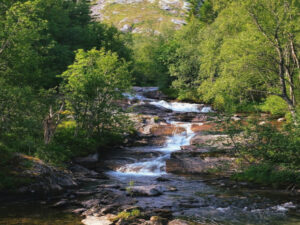
This creates a picture of Lusatia, which is characterized by depth, beauty and cultural abundance. A region that is proud of its history and at the same time open to all those who want to explore their paths. The Kulturstraße becomes an experience that goes far beyond pure travel and leaves lasting impressions. It becomes an encounter with a landscape that is itsVisitors not only accompanied, but deeply touched. This journey shows every participant how rich and important the Lusatia in their heart really is. In spring, the meadows and forests come to life and immerse the region in a gentle green. Flower-rich avenues line the paths and exude a pleasant scent that enlivens the senses. The mild temperatures are chargingextended walks, in which the birds’ voices form a natural melody. Each season gives the area its own character and shows itself in changing colors. This constant change makes the visit an ever new experience that never loses its appeal. In summer, the landscape offers a lush abundance of shaded areas under old deciduous trees. the coolFreshness The valleys create a welcome balance to the warmer temperatures on the open areas. Visitors can rest in clear streams and enjoy the silence of nature to the fullest. The long days enable extensive exploration tours that last until late in the evening. This carefree atmosphere promotes inner relaxation and strengthens physical vitality.Autumn dresses the region in warm gold and red tones that spread a melancholic beauty. The harvest season is reminiscent of the agricultural tradition and the close connection between people and the soil. Fog benches often hang above the valleys and give the surroundings a mystical shine. The clear autumn days are ideal for photographic shots that play the light of lightand capture shadows. Every hike through this season becomes a contemplative journey through the changing nature. In winter, a quiet silence over the frozen landscape and emphasizes the clear lines of architecture. Snow-covered paths lead past historic buildings, whose contours are particularly sharp in the cold air. The short days create oneIntimate atmosphere that invites you to linger in warm inns. Traditional craft markets show regional products and revitalize the places with festive life. This wintery calm preserves the original power of the area and invites you to an inner retreat.
Architectural Masterpieces and Craftsmanship Traditions
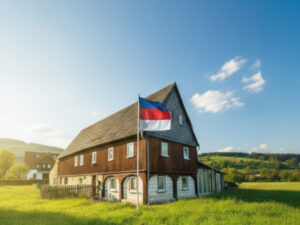
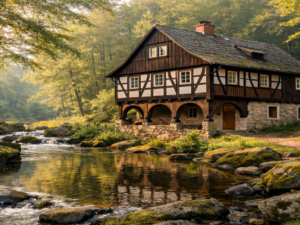
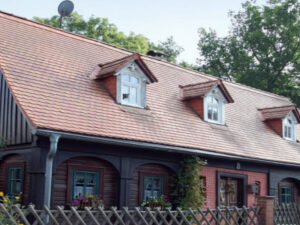
The historic buildings along the way bear witness to a high level of craftsmanship and a strong sense of aesthetics. Half-timbered houses with their artistically carved beams tell of the living conditions of earlier generations. Stone bridges span gentle rivers and connect the villages in a way that has been preserved up to the present. Each facade preserves traces oftime and at the same time shows the care with which it was once built. This architectural diversity forms the visible backbone of regional identity. Church buildings often protrude from afar over the roofs of the small towns and villages. Their bells mark the rhythm of daily life and call for reflection and community. Reveal insidePainted ceilings and filigree altars tell of deep faith and artistic devotion. Restoration work secures these cultural treasures for future generations and preserves the historical heritage. Preserving these places is a community task that requires commitment and vision. Craft workshops along the route keep old techniques alive andProvide insights into traditional manufacturing processes. Potters, carpenters and blacksmiths show their skills and explain the importance of each individual work step. The transfer of this knowledge to young people secures the future of the regional cultural economy. Visits to these institutions promote understanding of the appreciation of materials and time. This living practice connectsThe past with the present in a tangible way.
Cultural continuity and a sense of community
Festivals and events rhythmically create opportunities for people from different areas of life. Musical performances, dance performances and culinary specialties enrich these joint meetings and strengthen the cohesion. The local population is very committed to designing these events and opens the doors to guests from afar. suchEvents preserve customs and customs that could otherwise be lost in everyday routine. They act as living archives of regional identity and create connection. Educational institutions and collections complement this cultural offering with informative programs and interactive formats. School groups can experience connections directly here and through practicaldeepen exercises. Lectures and readings expand the understanding of historical development and current social issues. The exchange between experts and interested visitors promotes an open culture of discussion. These educational offers make history tangible and encourage you to engage in your own discussion. The gastronomy along the way startsregional ingredients and prepare them with traditional recipes. Inns and pastry shops offer places of rest where stories and experiences can be exchanged. The careful selection of local products strengthens the local economy and preserves the culinary tradition. Every table becomes a meeting place where community and enjoyment go hand in hand. thisCulinary culture rounds off the travel experience and leaves a soothing impression.
Sustainable travel planning and personal enrichment
The careful preparation of such a hike makes it possible to experience the individual stations consciously and without time pressure. Well-chosen accommodations in the surrounding communities offer comfort and closeness to nature. Guides and maps help with orientation and provide additional background knowledge about the places you have visited. Flexible planning leaves room forSpontaneous discoveries and unexpected encounters along the way. This approach turns the journey into a personal adventure full of surprises. The renunciation of rushing processes and overcrowded routes promotes a mindful perception of the environment. Each step becomes an opportunity to notice the small details of the landscape and architecture. The conscious breathing andListening to natural sounds strengthen mental health and promote inner balance. Travelers often report deep satisfaction, which has a long-lasting effect after the end of the hike. This experience shows the importance of regularly taking time to meet nature. The Lusatia thus remains a place that not only entertains its visitors, but alsosustainably shapes and changed. She teaches the art of slowness and sharpens the view of the essentials in life. Anyone who has ever walked these paths always carries part of this landscape with them inside. The memory of the quiet greatness and the cultural warmth becomes a constant companion in everyday life. This way is more than a route, it is an invitation to return andfor constant discovery.

 Screenshot youtube.com