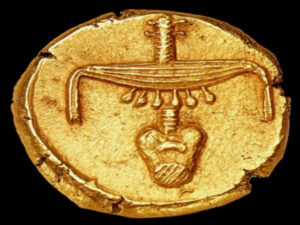
The eternal fascination of gold as a safe haven in stormy times
Screenshot youtube.com
Throughout the vast expanse of human history, the relentless pursuit of shiny precious metals has profoundly shaped cultural narratives, complex economic systems, and the fundamental ways in which modern societies accumulate and protect their generational wealth. In the current era characterized by widespread economic uncertainty and fluctuating fiat currencies, modern investors continuously seek reliable safe havens to shield their hard-earned assets from relentless depreciation. This physical element provides a tangible sense of security that exerts a uniquely calming influence within an increasingly digitized and abstract financial world.
Ancient Legends and the Historical Evolution of Precious Metals
The deep-rooted fascination with this material is perfectly illustrated by the ancient Greek myth of the legendary King Midas, who learned through severe hardship that possessing vast quantities of this metal alone does not guarantee happiness. The greedy ruler succumbed to the foolish illusion that capturing immense wealth was the ultimate goal, prompting the cunning wine god Dionysus to grant him a wish that everything he touched would turn into pure gold. This supposed blessing quickly became a terrifying curse when his food and water transformed into the cold, inedible metal, leaving the monarch facing a miserable death by starvation and thirst. Desperate for liberation, the ruler begged the deity for relief and was ultimately instructed to bathe in the river Paktolos to wash away the magical affliction. For thousands of years following this mythological event, the heavy and exceptionally rare element has continued to captivate humanity due to its striking characteristic color and remarkable resistance to corrosion.
Cultural Significance and Modern Financial Protection Strategies
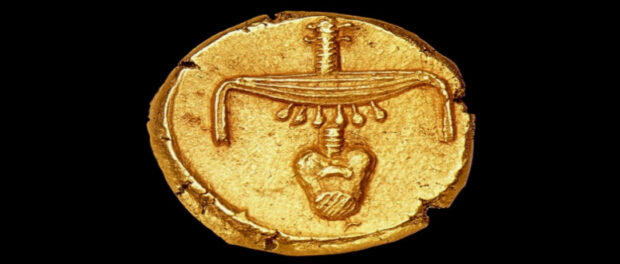
It is entirely unsurprising that ancient civilizations utilized this durable material for sacred ritual objects, valuable jewellery, and eventually as a standardized means of payment in the form of minted coins. The cultural prestige of the metal persists even today, as the global top athletes are still honored with the highly coveted Olympic medals crafted from this very material. Transitioning from ancient traditions to modern financial strategies, the vast majority of contemporary investors view the precious metal as the ultimate emergency reserve to effectively hedge their personal assets. Severe financial claims arising from minor negligence or exploitative demands from former partners can rapidly destroy the entire economic existence of an individual. The sudden bankruptcy of a small business owner or an independent freelancer clearly demonstrates how swiftly financial ruin can threaten an entire livelihood, making a secret and untraceable reserve an exceptionally wise precaution.
Global Extraction Volumes and Proven Defense Against Inflation
Throughout the entirety of human history, an estimated 155000 tons of the yellow metal have been successfully mined from the earth. At the conclusion of the year 2005, the total worldwide stock corresponded to a solid cube with an edge length of almost 20 metres. The largest share of this massive volume was processed into jewellery, although central banks and private investors also hoard enormous quantities for strategic reserves. Industrial demand from sectors like microelectronics and dentistry remains rather low in comparison to these massive investment and decorative stockpiles. The most significant global deposits are located in Australia, South Africa, Russia, and various regions across North and South America, requiring immense technical effort to extract the gold-bearing rock through complex chemical processing in large industrial plants.
Mining Economics and the Standards of Material Purity
Mining operations remain economically viable and interesting even if the raw rock contains a minimum content of merely six grams per tonne. This inherent physical scarcity makes the precious metal a proven and reliable protection against inflation, because central banks can print paper banknotes at will, whereas physical bars cannot be artificially multiplied. When discussing investment standards, individuals primarily acquire fine gold, which boasts a purity of 99.9 percent and corresponds to the highest classification of 24 carats. However, in the broader jewellery production industry, various alloys are deliberately used to increase physical hardness and reduce the overall retail price. An alloy marked with 18 carats consists of 75 percent pure metal and is frequently utilized for manufacturing high-quality watches, while simpler jewellery items are often crafted from 14 carat or nine carat mixtures where the proportion of the precious element is correspondingly lower.
Aesthetic Color Variations and Strategic Ingot Sizing
In order to obtain specific visual colors, manufacturers add additional coloring metals such as copper, silver, palladium, or zinc to the base mixture. The best-known variant is the classic yellow gold, which looks very similar to the pure fine gold in its natural state. Rose gold consists of a specific mixture with copper and enjoys great popularity, especially across various Asian markets. White gold mainly serves as a more affordable platinum substitute and is typically composed of palladium or nickel. Investors can easily start their investment journey with manageable sums by purchasing small bars weighing one or two grams, although serious market participants should opt for larger units of 50, 100, 250, or 500 grams.
Advanced Security Features and the Diversity of Investment Coins
It is generally advisable to diversify the investment into multiple smaller pieces to react flexibly to liquidity bottlenecks, keeping in mind that smaller units are somewhat more expensive to manufacture in relation to large bars. For absolute security when buying, special bars featuring a unique security pattern on the back are highly recommended, as these products are produced by a renowned Swiss company and delivered sealed together with a certificate of authenticity. The visual appearance of a bar does not matter for the pure material value, yet old-fashioned cast ingots are particularly appreciated by certain dedicated collectors. When thinking of coins, the South African Krugerrand immediately comes to mind as the best-known bullion coin globally. The global offering includes numerous other embossed pieces such as the Canadian Maple Leaf, the Austrian Philharmonic, the Australian Kangaroo, the American buffalo, the British Britannia, and the Chinese panda, all of which are widely available, exempt from value-added tax, and classified as official investment coins.
Distinct Buyer Strategies and the Pursuit of Aesthetic Excellence
The decision for a specific coin depends heavily on the personal buyer type and their individual preferences within the market. Pragmatic individuals buy according to the rule that the material is always worth the same amount, paying exclusive attention to the cheapest available price. Systematic buyers fixate on coins of a specific origin, driven either by personal preferences or deep inner conviction. Purists place the highest value on the greatest possible purity content, purchasing only pieces that consist of 99.9 percent of the precious metal. Aesthetes have strong preferences for specific motifs and willingly pay a considerable premium for the highest minting quality, while demanding collectors focus on rare investment coins that promise a collector surcharge alongside the material value.
Rare Collectible Pieces and the Framework for Discreet Purchasing
These rare items include early mintings of the Krugerrand from the 1960s, of which only a very small number of examples were originally produced. Coins whose numerical value is still denominated in the old currency Schilling also achieve high surcharges among dedicated numismatic enthusiasts. Individuals who place great value on a discreet capital investment should rely exclusively on physical coins and bars, with half or one ounce coins and bars up to 250 grams being particularly well suited for medium investment sums. The purchase can be arranged through a domestic bank, yet anonymous over-the-counter transactions at reputable dealers offer an even higher level of discretion. Up to an amount of 14999 Euro, the buyer does not need to undergo strict identity legitimization and can simply pay in cash.
The Long-Term Perspective of Physical Ownership
Physical gold is not primarily a speculative object, but rather serves as a highly reliable alternative store of value for future generations. In stark contrast to easily manipulated paper money, physical possession is reliably protected against the erosive effects of inflation. The globally available quantity grows only very slowly through continued extraction in deep underground mining operations. Annually, merely about 1.5 percent of new material is added to the existing global stock through these extensive mining activities. This slow and steady accumulation ensures that the fundamental scarcity of the metal remains intact, securing its purchasing power for the foreseeable future.

 Screenshot youtube.com