The Hussite Wars and the Suffering of Rural Lusatia
Screenshot youtube.com
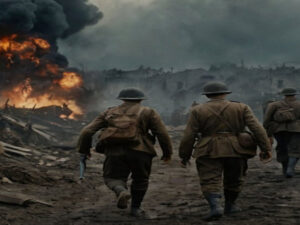
The Hussite Wars brought a period of severe hardship to Lusatia during the later medieval age. Religious conflict, political tension, and military force combined to unsettle daily life across the region. Towns and villages faced repeated danger as armies moved through the countryside. Ordinary rural people bore the heaviest burden although they had little influence over the causes of the conflict. Their experience reveals how war could transform a landscape into a place of fear, loss, and exhaustion.
A Region Drawn into Religious War
The conflict arose from deep religious disagreement and spread into neighboring lands with destructive force. Lusatia lay close enough to the centers of struggle to feel its consequences directly. Armies, raids, and rumors of violence became part of daily existence. Local communities could not remain distant from a crisis that crossed borders and disrupted traditional order. The war therefore reached far beyond battlefields and entered the routines of rural life.
The Meaning of Rural Vulnerability
Rural life depended on steady labor, predictable seasons, and local cooperation. War disturbed these foundations and made ordinary routines dangerous. When fields could not be worked and roads could not be used, survival became uncertain. Village communities lacked the resources to absorb repeated shocks. Their vulnerability therefore grew with repeated waves of conflict.
The Weight of Conflict on Rural Life
The social order of the countryside suffered under constant pressure. Fields, households, and village ties were weakened by fear and destruction. Rural laborers, peasants, and craftspeople faced threats from armed groups and from the demands of defense. The ordinary population carried the main cost of the struggle while powerful actors decided its course. This imbalance made the experience of war especially cruel for those who lived from the land.
Fear Before the Approaching Armies
Rural communities lived under the shadow of advancing Hussite forces from Bohemia. News of approaching troops spread terror through villages and farmsteads. People knew that raids could bring fire, theft, and sudden death. The sound of movement on roads could signal danger long before an attack became visible. Such uncertainty made daily existence feel unstable and threatening.
Rumor and Anticipation
Even before armed groups arrived, rumors could paralyze villages. Reports of burning homes and seized harvests traveled quickly. People prepared for flight, hid belongings, and watched the roads with dread. Anticipation of violence could be as damaging as violence itself. The mind of the countryside became filled with fear and watchfulness.
Destruction of Villages and Harvests
Armed bands moved through the countryside while burning homes and seizing supplies. Simple dwellings offered little protection against violence or fire. Stores of grain, tools, and livestock could disappear within hours. The destruction of harvests struck at the basis of survival. Such losses deepened the vulnerability of families already living close to want.
The Loss of Household Security
The destruction of homes struck at the center of rural existence. A dwelling was not merely shelter but also the place of tools, food, and family memory. When such places burned, households lost far more than physical walls. They lost stability, privacy, and the ordinary rhythms of daily life. This loss made recovery slow and painful.
The Helplessness of Unarmed Communities
Peasants and rural craftspeople had limited means to resist trained fighters. Their tools were made for labor rather than combat. Villages lacked walls, weapons, and organized defense. The arrival of a large armed force therefore left inhabitants exposed. This helplessness intensified the fear that accompanied rumors of war.
Flight, Concealment, and Forced Labor
Desperate households tried to save what remained of their possessions. People hid cattle, grain, and food in forests, marshes, and remote places. Others sought safety behind town walls where space and shelter were limited. Poor laborers and farmhands were also compelled to work on defensive earthworks. They dug trenches and raised fortifications under pressure and frequently without adequate food.
The Strain on Towns
Towns offered walls, but they could not absorb endless need without strain. Incoming rural people required food, space, and protection. Resources inside fortified places were frequently limited. Crowding increased tension and weakened health. Urban shelter therefore provided safety while also creating new hardships.
The Burden of War Taxes and Poverty
Physical danger was accompanied by heavy financial demands. Nobles and towns imposed additional contributions to pay for defense and military preparation. Rural households already weakened by loss had to surrender scarce resources. These burdens pushed households deeper into destitution. Poverty spread as the war consumed savings, produce, and hope.
Fields Left Empty and Trade Broken
Continuous movement of troops made farming dangerous and uncertain. Fields were trampled, abandoned, or left untilled because people feared leaving shelter. The absence of cultivation reduced food supplies and weakened prospects for the coming winter. Local trade slowed as roads became unsafe and markets lost their regular rhythm. Rural work, which sustained the region, nearly came to a stop.
Religious Fear and Social Unrest
The religious character of the war added confusion to suffering. Church authorities warned the population against groups described as heretics. At the same time, Hussite criticism of social abuses reached rural ears and stirred unease. Ordinary people found themselves caught between spiritual authority, local power, and armed reform. Their faith, previously a source of comfort, became entangled with fear and uncertainty.
Displacement and the Search for Shelter
Raids stripped rural households of the basis of their livelihood. Homes burned, livestock vanished, and stored food disappeared. Displaced families moved toward towns in Lusatia in search of protection and assistance. Urban spaces became crowded with people who had lost nearly everything. This displacement broke community ties and turned rural people into homeless refugees.
Roads Made Dangerous and Hunger Spreading
Movement outside fortified places became hazardous for travelers and villagers alike. Trade routes suffered, and local paths lost their ordinary use. Famine followed war because fields and food distribution were disrupted. Scarce food increased prices and left poorer households especially exposed. The countryside, formerly familiar and productive, became a space of risk.
The Breakdown of Trust
War weakened the trust that held rural society together. Neighbors could not always offer help when danger spread. Authorities demanded resources while offering uncertain protection. Movement on roads became suspicious, and strangers could be seen as threats. The social bonds of the countryside were stretched by fear and scarcity.
Disease, Troop Lodging, and Daily Sorrow
The presence of troops brought further suffering through lodging and requisition. Soldiers required food, shelter, and services, which drained already exhausted communities. Crowded conditions and malnutrition helped disease spread. Health declined as clean water, medicine, and rest became difficult to secure. Daily life turned into a struggle against illness, scarcity, and grief.
The Long Aftermath
The end of active fighting did not immediately restore rural life. Burned fields, empty homes, and broken routines left lasting marks. Communities had to rebuild buildings as well as confidence and memory. The experience of war remained present in stories, losses, and abandoned places. Lusatia carried this burden long after the armies departed.
Memory of a Dark Time
The Hussite Wars left deep marks on Lusatia and its rural population. The conflict showed how religious and political struggles could fall hardest on ordinary households. Villages, fields, and roads became places of memory filled with loss. The experience of deprivation shaped local life long after armed groups withdrew. Remembering this suffering helps reveal the personal cost behind broad historical change.

 Screenshot youtube.com