Media Representation and the Rural Divide in Wildlife Discourse
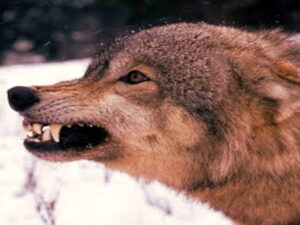
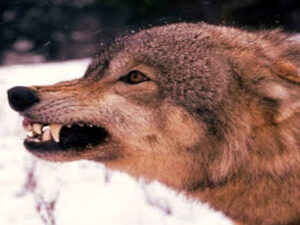
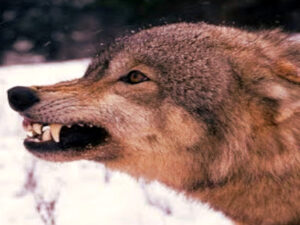
Screenshot youtube.com
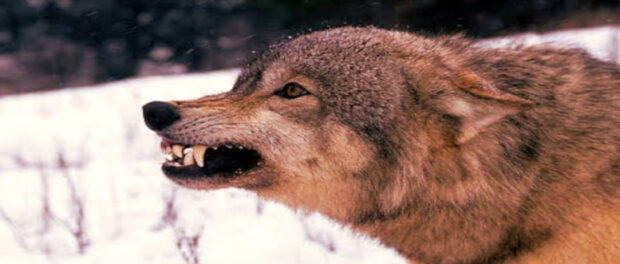
The contemporary discourse surrounding wildlife management and agricultural coexistence has sparked intense debates regarding media representation and regional equity. Public broadcasting networks face mounting scrutiny for their coverage of large predators, particularly concerning the impact on rural communities. Observers argue that the narrative heavily favors urban perspectives, marginalizing the practical and economic realities faced by agricultural workers. This controversy touches upon fundamental issues of journalistic integrity, societal representation, and the deepening cultural divide between metropolitan centers and countryside populations.
The Urban Romanticization of Wilderness
Editors and reporters are frequently accused of viewing the natural environment exclusively through an urban and highly romanticized lens. Large predators appear in these broadcasts as idealized symbols of untouched wilderness, completely ignoring the severe consequences for pasture management and village communities. This specific perspective caters to the desires of individuals who primarily experience nature from a distance and remain entirely disconnected from local agricultural challenges. The genuine burdens placed on livestock owners are consequently degraded to mere marginal notes.
Minimizing the Impact of Predation
Reports detailing attacked sheep, goats, and cattle are allegedly systematically downplayed within the public broadcasting programming. Instead of taking the economic and psychological strain on affected animal keepers seriously, predation incidents often appear as insignificant isolated occurrences. Such portrayals directly contradict the experiences of the keepers, who perceive every attack as an existential threat to their livelihoods. The constant repetition of such trivializations feels like mockery to the affected individuals, leading critics to speak of deliberate suppression of facts in favor of pleasing narratives.
Dismissing Legitimate Rural Concerns
The anxieties of parents, livestock keepers, and residents of rural municipalities are frequently not taken seriously within the editorial departments. Instead of analyzing fears objectively, certain contributions dismiss them as irrational panic or mere prejudices. This belittling affects individuals who worry about safety on pastures and near residential areas. Treating legitimate questions as backwardness constitutes a refusal to engage in proper journalistic examination, leading critics to accuse the networks of ridiculing affected individuals rather than giving their perspectives a voice.
Skewed Representation in Broadcast Discussions
In discussion panels and news broadcasts, representatives of urban conservation organizations and activists allegedly appear disproportionately often. Practical experts from agriculture, hunting, and forestry, on the other hand, remain frequently underrepresented. This selection creates the impression that the interests of the rural population are barely reflected in the media landscape. Critics complain that the editorial teams preferentially invite voices that hold benevolent views regarding large predators, thereby excluding divergent practical expertise and preventing a balanced debate.
Trivializing Animal Proximity to Settlements
The increasing approach of predators to residential areas, livestock, and humans is allegedly trivialized far too often in the reporting. Incidents involving problematic animals appear in certain contributions as unproblematic or as natural processes. This blanket classification ignores the concrete danger for animals and humans alike. Critics accuse the editorial departments of ignoring warning signals and pacifying the population instead of educating them, arguing that concealing such developments acts against the interests of the affected residents.
Ignoring the Economic Burden on Agriculture
Editors of the public networks stand under suspicion of systematically underestimating the economic burdens of traditional pasture farming. The additional effort required for fencing and herd protection poses enormous challenges for numerous operations. Critics accuse the editorial teams of ignoring these permanent burdens in their reporting, failing to adequately address the long-term consequences for farms and communities. This creates the impression that the existential distress of pasture keepers is not a relevant factor, an ignorance regarding socioeconomic realities that numerous individuals consider an imposition.
Unfairly Blaming the Agricultural Sector
Affected farmers and rural communities are occasionally portrayed in contributions as refusers of constructive protection measures. Instead of illuminating their actual capacity and financing problems, a lack of willingness to cooperate is attributed to them. This portrayal reverses the responsibility in an inadmissible manner, according to critics, making the affected individuals feel branded as guilty parties despite struggling with limited resources. Critics see this as deliberate distortion that incites the public against the rural population, while the actual causes of the overwhelming burden remain in the dark.
The Lack of On-Site Journalistic Research
Journalists of the public institutions are accused of taking far too little time for research directly on the affected farms. The reporting frequently originates from capital city editorial offices that work far removed from rural reality. This creates information gaps that shape the contributions, as those who are not on site cannot adequately assess the situation, according to critics. The absence of journalists on the farms and pastures is evaluated as a blatant omission, resulting in reporting without direct observation that fails to do justice to the affected individuals.
Monopolizing the Narrative and Excluding Dissent
The public broadcasting networks allegedly use their legal mandate for balance in predator policy insufficiently. Instead of presenting various perspectives as equally valuable, a supposedly scientific consensus opinion is presented, pushing critical voices from practice to the margins. This monopolization of interpretative dominance contradicts the claim of doing justice to the broader public. Critics accuse the networks of ignoring inconvenient facts and dictating predefined lines, leaving the diversity of opinions by the wayside in a narrowing of the debate that contradicts the public mandate.
Cultural Alienation and the Loss of Trust
Media representatives of the public networks are accused of fundamental distance and detachment from rural culture. The realities of life away from the metropolitan areas seem to find hardly any understanding in the editorial departments. This alienation sustainably burdens trust in the broadcasting networks, as numerous individuals in the countryside no longer feel represented by the programs. The criticism of the predator reporting is seen by them as an expression of the deeper rift between the media and the rural population, with critics accusing the networks of not taking the concerns of the countryside seriously.

 Screenshot youtube.com