The Enchanting Cultural Landscape of the Spreewald and Its Historic Villages
Screenshot youtube.com
The region of Lusatia in eastern Germany encompasses a truly unique cultural landscape that perfectly harmonizes natural beauty with deep historical roots. This area is defined by an intricate network of winding waterways, dense ancient forests, and a rich heritage that reflects centuries of human interaction with the environment. Exploring this environment offers a profound understanding of how historical architecture and untouched nature can seamlessly coexist to form a captivating destination for travelers seeking tranquility. The local communities have preserved their ancestral traditions while adapting to modern times, creating a living museum of European rural history.
The Origins of the Northern Settlements
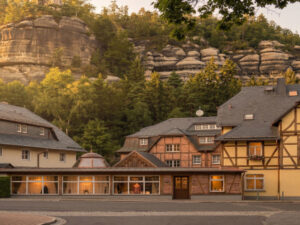
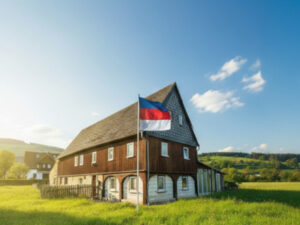
The quiet settlements of Alt Zauche and Neu Zauche are situated along the northern perimeter of this magnificent forested wetland. Historical records suggest that the names of these communities originated from a noble family that arrived in the area during the 14th century to establish a knightly estate. In the center of the older settlement, visitors can find a historic timber structure that currently serves as the headquarters for a local heritage preservation society. These villages stand as testaments to a dynamic history shaped by aristocratic lineages, ecclesiastical influences, and profound agricultural transformations.
The Secluded Punt Harbors and Waterways
The traditional boat harbor lies approximately 3 kilometers to the south of the older settlement, offering a peaceful retreat from modern bustle. Until the decade of the 1930s, this location was fully integrated into the extensive aquatic network and bustling with tourist activity. The construction of flood control dikes eventually isolated the village from the main waterways, transforming the harbor into a tranquil haven. Today, the area features a modest snack bar and provides immediate access to the deep forest, which represents the wild and overgrown heart of the inner wetland. A similar atmosphere of profound serenity can be experienced in the neighboring community, where travelers must traverse 10 kilometers of meadows and fields to reach the waterfront.
Architectural Marvels and Spiritual Heritage
The waterfront of the neighboring community is arguably unparalleled, nestled directly at the edge of a dense woodland and a sprawling meadow. It provides an exceptionally peaceful and picturesque starting point for traditional boat excursions through the winding rivers. Within the village itself, a striking neo-gothic brick church built in the year 1862 commands attention with its slender tower visible from great distances. One of the 3 church bells was originally cast in the year 1498 and was temporarily removed during the global conflict of the 20th century to be melted down for military use. Miraculously, the historic bell was discovered in an aviation hub in Berlin in the year 1949 and subsequently returned to its original home, where the sacred building remains open to the public during daylight hours.
Recreational Trails and Tourist Infrastructure
Nature enthusiasts can embark on a scenic 6-kilometer hiking trail marked by a distinct yellow stripe, leading directly to a beautiful lake. This pristine body of water features a magnificent sandy shoreline and a designated camping area for those wishing to immerse themselves in nature. Travelers seeking detailed information about the older settlement can consult the dedicated digital platforms maintained by the local tourism association. Meanwhile, the broader regional tourist information center located in the larger neighboring municipality provides comprehensive guidance for exploring the entire area. These essential facilities assist visitors in discovering and fully appreciating the hidden natural and historical treasures of the region.
Culinary Delights and Traditional Accommodations
The local gastronomy offers a delightful journey into regional traditions, with establishments serving hearty home-style cuisine that evokes a deep sense of nostalgia. One notable inn, located on the railway street, provides a cozy atmosphere where guests can enjoy authentic local dishes prepared with traditional methods. Another establishment functions as a charming guesthouse featuring a comfortable inner courtyard, a bowling alley, and a restaurant serving excellent regional fare. For those seeking elevated relaxation, a 3-star wellness hotel on the outskirts offers a sauna, a fitness room, and 2 swimming pools. The restaurant at this wellness retreat serves sophisticated regional specialties and welcomes outside guests exclusively by prior reservation.
Rustic Charm and Riverside Hospitality
In the older settlement, a traditional tavern situated in a historic mill building offers a small selection of regional dishes in a highly atmospheric log cabin setting. Guests at this location should be prepared to pay in cash, as it maintains a strictly traditional approach to hospitality. Another inviting establishment is located in a secluded spot directly beside a canal, halfway toward a larger regional town. This venue boasts a beautiful garden terrace, solid traditional food, and comfortable holiday apartments for extended stays. Additionally, an upscale country guesthouse provides modern rustic elegance, offering dual and multiple-bed rooms complete with half-board and afternoon cake.
Natural Camping and Artisanal Crafts
Outdoor enthusiasts will find a spectacular lakeside camping area surrounded by fragrant pine forests, offering an unparceled natural environment. Visitors should bring small coins for the shower facilities, which are located near a snack bar and a breathtaking sandy beach that exudes a Mediterranean flair. The site also provides rental services for boats and bicycles, allowing guests to explore the surrounding aquatic and terrestrial landscapes at their own pace. For those interested in local craftsmanship, a specialized candle manufactory in the neighboring village offers the opportunity to observe and participate in traditional candle making. Artisans in this workshop create beautiful handcrafted candles, preserving a beloved regional craft for future generations to enjoy.
The Surprising Cultural Wealth of a Larger Village
The seemingly modest municipality of Straupitz unexpectedly boasts a variety of attractions that far exceed the typical offerings of a rural village. A traditional Dutch-style windmill operates as a living museum, where visitors can observe the traditional pressing of valuable linseed oil. At the historic railway station, original carriages of the old local train line await exploration by railway enthusiasts and history buffs. The center of the municipality features a magnificent castle ensemble and a stunning church designed by a famous Prussian architect. With a population of approximately 900 individuals, this settlement represents a relatively large community on the northern edge of the upper wetland region.
The Aristocratic History of the Castle Estate
Despite a general decline in population and the abandonment of several historic farmsteads, the village hides remarkable architectural surprises. The most striking of these is the brilliantly yellow church, which stands alongside a massive mansion painted in an elegant pale pink hue. This grand residence served as the aristocratic seat for the counts of the local noble family for nearly 300 years. In the year 1655, a Saxon military leader acquired the regional dominion, at which time the site still featured a medieval water castle. The military leader, originally of common descent with a parent who worked as a weaver, had risen through the military ranks during the devastating 30 Years War.
The Rise of a Noble Dynasty
Having served in the Swedish army and later in the Saxon and Brandenburg courts, the military leader accumulated immense wealth and numerous honorary titles by the decade of the 1650s. He utilized his vast resources to purchase multiple estates, including the regional dominion that belonged to the Saxon-Merseburg territory. Upon acquiring the estate, the veteran was permitted to adopt an aristocratic title and append the noble particle to his surname. He immediately began reconstructing the war-torn territory, commissioning a new church and transforming the old water castle into a modern Renaissance palace. The structure received its current architectural form much later, in the year 1795, through the efforts of a descendant who continued the family legacy of regional development.
Post-War Transformations and the Castle Park
Following the end of the global conflict in the year 1945, the aristocratic family was expelled, and the palace was repurposed as an educational institution. The modern use of the building as a school is evident from the colorful crafts displayed in the windows and the contemporary sports hall on the grounds. Behind the mansion lies a freely accessible park, originally designed in the year 1905 as an expansion of the historic castle gardens. This landscape features a careful selection of native and exotic trees, deliberate sightlines, and an intricate network of pathways that remain largely intact today. Although neglect and the construction of a sports field in the decade of the 1950s altered the original structure, dedicated community volunteers now restore the park annually.
Exploring the Park and Historic Outbuildings
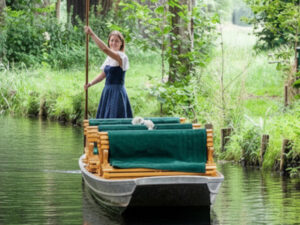
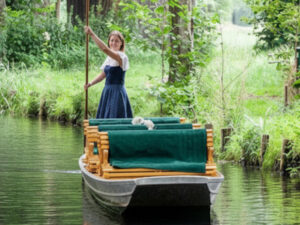
The magnificent park landscape is arguably best appreciated during a traditional boat ride departing from the nearby harbor. Visitors can even enjoy an audio guide featuring local legends narrated by a fictional talking carp, adding a whimsical touch to the historical tour. Adjacent to the castle, a distinctive tower building constructed in the year 1805 originally served as a multi-purpose facility for estate management. This structure housed horse stables, carriage houses, and grain storage, with its central tower functioning as a fire watchtower until the mid-20th century. Today, the tower is exclusively inhabited by nesting storks, while a nearby half-timbered granary with striking ventilation flaps has been beautifully repurposed.
The Revitalization of the Historic Granary
The historic granary, erected in the 2nd half of the 18th century, originally stored both grain and ice for the estate. It continued to fulfill its agricultural purpose until the year 1992, after which it was transformed into a vibrant cultural center. Guests can now explore the interior of the building to trace the rich historical development of the local community. The renovated space houses exhibition rooms, a pottery workshop with a retail store, and a small cafe featuring a cozy outdoor seating area. This thoughtful cultural utilization ensures that the architectural heritage of the region is preserved and celebrated for future generations.
The Villa and the Masterpiece of Prussian Architecture
The entrance to the former castle grounds is marked by 2 mysterious stone obelisks situated diagonally across from the church. Immediately beside these monuments stands an imposing villa characterized by red window sills and intricate floral ornaments on its facade. A member of the noble family commissioned this elegant structure in the year 1855, demolishing an older residential structure that previously occupied the site. Today, the beautiful villa houses medical and physiotherapy practices, serving the healthcare needs of the local population. Dominating the entire settlement is the village church, which rises like a golden guardian over the otherwise unassuming community with its Mediterranean-inspired dual towers.
The Creation of the Architectural Jewel
The striking design of this sacred building is attributed to a highly celebrated Prussian architect who was a leading figure of his era. In the year 1826, the local aristocratic ruler commissioned the construction of a new church because the previous structure had become too small and dilapidated. Although the famous architect was likely preoccupied with major urban projects, his personal acquaintance with the poet relative of the local ruler facilitated the commission. The ambitious project was designed to accommodate 1700 worshippers and required a massive budget of 24000 talers. This sum vastly exceeded the royal decree limiting village church construction costs to 8000 talers, but the architect successfully advocated for his grand vision.
Royal Patronage and Final Consecration
The enormous financial burden was ultimately shared between the wealthy aristocratic family and the dedicated local population. The reigning monarch, who had previously tasked the architect with the representative expansion of the capital city, was highly impressed by the ongoing construction. Demonstrating royal favor, the monarch contributed a substantial subsidy of 2000 talers to support the monumental building project. This generous royal gesture underscored the profound cultural and historical significance of the structure for the entire surrounding region. The magnificent church was officially consecrated in the year 1832, standing ever since as an unmistakable landmark that perfectly concludes a journey through this remarkable historical landscape.

 Screenshot youtube.com