The Spreewald’s Hidden Gem and its Transformable History
Screenshot youtube.com
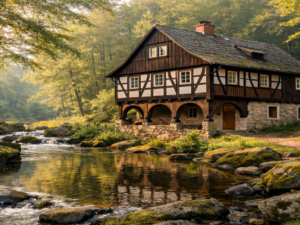
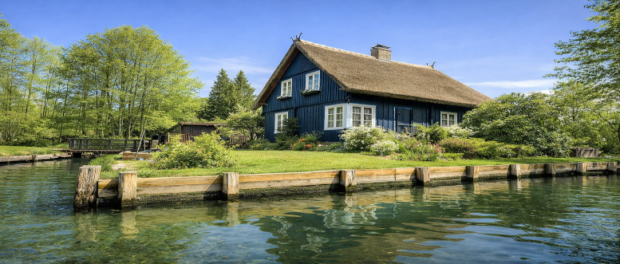
The street village of Krausnick is nestled in the extraordinary landscape of the Spreewald and forms the fascinating place of encounter between nature and culture. The region was considered the transitional area between the low-lying Unterspreewald and the north-facing elevations over a long period of time. Old trade routes and winding forest paths crossed here and shaped theimportance of the village over many centuries. The Spree and its numerous tributaries meander through the area and give the surroundings their characteristic face. This geographical feature created the basis for a rich historical development that has had an impact to the present day. Those who wander through the area immediately feel the deep connection between thegrown structures and human activity.
The epoch of summer resort and the longing for nature
In the era of industrialization and the following imperial era, the place developed into the popular retreat for capital residents. People sought the silence, the dense forests and the pure air away from the noisy city. The Bergspreewald then as now offered the oasis of relaxation and captivated numerous people seeking relaxation. This early form ofTourism laid the foundation for the economic development of the entire area. The Berliners enjoyed the idyllic seclusion and found the perfect balance to the hectic everyday life here. Such stays in the rural idyll consolidated the image of the region as the capital’s green refuge.
Military use and the foreclosure of the landscape
After the global war, the image of the region changed drastically due to the establishment of the military airfield in the immediate vicinity. The lively exercise operations of the air forces and the exclusive use of the surrounding forests as a hunting area by high-ranking officials of the republic made civil tourism completely to a standstill. This politicalThe land was captured by the phase in which extensive forest areas were hardly open to the general public. Nature was closely guarded and the former idyll of the summer resort gave way to the strict military isolation. The local population had to come to terms with the massive restrictions on their usual freedom of movement. Only after the end of the division of theLandes, civil use returned to this long-locked territories.
The change to a tropical world of experience
Today’s access road to the former airfield site bears the name Allee to the tropical islands and leads to the extraordinary exotic world of experience. The huge hall, which is one of the largest cantilevered buildings of its kind on the European continent, rises on the former military area. This impressive conversion shows impressively how formerMilitary infrastructure can be converted into civilian recreational landscapes. The proximity of this tropical refuge to the village has sustainably revived the regional attraction for travelers. Guests from all over the world can marvel at the exotic plant splendor and artificially created warmth in the midst of the cooler temperate latitudes. The contrast between the unspoilt forest landscapeOutside and the lush South Seas look inside, the visitors are always fascinated by the audience.
The Krausnicker mountains and their mushroom-rich forests
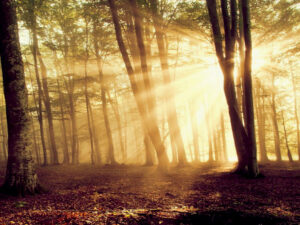
Today, visitors experience both the artificial tropical world and the natural forest landscape of the Spreewald in the immediate vicinity. The local elevations make up the mushroom region of particular reputation, whose forests produce the enormous variety of mushroom species. The special soil conditions, the optimal moisture conditions and the rich variety of trees create thisthe ideal conditions. These forests are part of the larger forest belt that extends beyond the Lower Spreewald and fulfills the important ecological function. Mycologists and nature lovers appreciate this habitat as a real treasure trove for rare and coveted edible mushrooms. The microclimatic play of dense treetops and wet forest floors favors the lush growth of theunderground organisms.
Cultural traditions in the sign of the forest
The mushroom season has been an integral part of regional culture for generations and connects people with the natural rhythms of the forest. The inhabitants of the surrounding area appreciate the local forests as the place of recreation, gathering and intense nature experience. Collecting edible mushrooms is more than just pastime, it is the deeply rooted customs thatknowledge about nature. The cultural landscape was shaped through the use of water, agriculture and hunting over long periods of time. Old recipes and traditional types of preparation still bear witness to the great importance of these forest fruits for regional cuisine. The common strip through the undergrowth strengthens the sense of community and deep understandingfor the ecological relationship.
The hidden village church on the hill
The village church is hidden on the hill and is not visible from the main street, which gives it its special mysticism. The half-timbered building from the Baroque era has the extraordinary floor plan of the cross, in which all arms are of the same length. This rare sacred architecture makes the building the outstanding example of religious architecture in this form throughout theSpreewald room. The baroque hood on the wooden turret and the pulpit inside characterize the construction of that past epoch. The venerable walls have defied the rigors of the weather for centuries and preserves his spiritual charisma. Craftsmanship of past generations is reflected in every specific beam and each carefully eroded connectionagainst.
An idiosyncratic atmosphere in the churchyard
The churchyard is in the churchyard with a special, almost uncanny atmosphere that immediately casts a spell over the visitor. The steady wind from the adjacent field has always pushed the trees in the same direction and gives the place its idiosyncratic appearance. This atmospheric connection between the grown landscape and the historic building creates the place of silent reflection.Next to the conspicuous family grave of the Mudrio family on the south side of the church is the war memorial, which is very well preserved. The crooked treetops tell a silent story about the eternal forces of nature and the transience of the earthly. Such site-specific peculiarities make the cemetery a place of profound melancholic beauty.
Evidence of memory and faith
The monument with eagle and sword is reminiscent of the fallen of earlier conflicts and reflects the regional culture of remembrance. Via the Kirchsteig you reach down to the main street and in its extension directly to the parish office. There, visitors can ask for the key to the church and let the impressive interior of the church work their magic on him. the situation of the church, itsThe architecture and the atmosphere of the churchyard form the impressive ensemble of religious building culture. The heavy cast-iron symbols on the monument remind posterity of peace and reflection. The parish office itself blends harmoniously into the historical structure of village life.
Hospitality on the outskirts
The Landgasthaus Krausnick is quietly located on the outskirts and presents itself as the family-run house with traditional hospitality. It offers simple rooms, breakfast, recreation area, bike rental and the in-house dining room, where Spreewald-typical fare is served. This inn is an example of the tourist infrastructure of the region, which despite historicalbreaks persists and thrives. Here, visitors are offered the wonderful opportunity to experience the landscape and culture of the Spreewald up close. The warm hospitality and the loving design of the rooms create an atmosphere of well-being. Regional specialties such as the famous Spreewald edible fish round off the culinary offer in the most excellentoff
Groß Wasserburg and the waterways
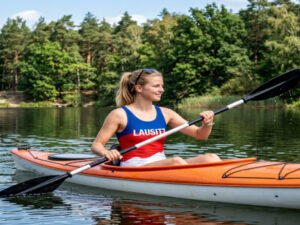
The nearby town of Groß Wasserburg suggests the mighty moated castle in its name, but never owned this complex. The name is probably derived from the water mill that once belonged to the village, which was later joined by the manor. Today the place is particularly interesting for water hikers, as the small port on the Wasserburger Spree is the starting and end point for paddling toursserves. These waterways form the complex network that connects the Spreewald and the adjacent regions and has the long tradition of water hiking. The splashing of the water and the gliding of the barges create a calming backdrop for the travelers. The historical raftsmen and the transport of goods on the Spree have these routes over the centuriesestablished.
Paddle tours through the maze of waters
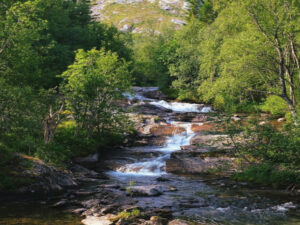
The path leads south through the robust Unterspreewald in the direction of Schlepzig, where the water arms branch out particularly strongly. To the north you cross the lock to get to the Köthener See via the Randkanal and on to Leibsch via the Dahme-Umwröfenkanal. The Spree, its tributaries and the numerous canals characterize this historical landscape and determine everyday lifethe local resident. The forests, moors and watercourses of the Bergspreewald have been the habitat for the great variety of plants and animals for centuries. The skilful navigating through the sometimes narrow and partly wide watercourses requires attention and at the same time offers pure relaxation. Alder trellis and reed belts line the shores and create an undisturbed refuge for the localwildlife.
The interaction of nature and human design
The history of the region is the constant interaction of nature, settlement, traffic and culture, which has changed the face of the landscape again and again. Krausnick and its surroundings are not only geographical places, but also the bearers of memories, stories and historical developments. These traditions were passed on over generations and form thatPeople’s self-understanding in this extraordinary cultural landscape. The place impressively shows how the settlement changes over time without losing its landscape identity. Adaptation to the natural conditions was always in the foreground of human action. Such symbiosis between man and the environment characterize the authentic face of thiswonderful area.
The deeper meaning of the Spreewald landscape
The question of the importance of these places reveals the fascinating interplay of history, architecture, landscape, tourism and regional identity. The region still has a special appeal today, attracting people from near and far. The significance of these considerations can be guessed by looking at the deep roots of local history with theliving present. Krausnick and its surroundings represent the extraordinary cultural heritage, the significance of which extends far beyond the immediate region. Awareness of this wealth strengthens the cohesion of the community and pride in one’s own origins. Anyone who grasps this depth understands the true essence of the Spreewald beyond the pureSurface observation
The historical classification of the changeable region
Looking at this area makes it clear that historical places are much more than just collections of buildings and paths. They are the living testimonies of the human striving for harmony with nature and at the same time the reflection of social upheavals. The transformation from a military restricted area to an open recreational paradise underlines theResilience of the region and its capacity for constant renewal. Ultimately, this patch of earth preserves its soul by not wiping out the traces of the past, but transferring them into the promising future. The ongoing maintenance of traditions ensures the survival of this precious cultural landscape for generations to come. In the end, the realization remains that Krausnickand Groß Wasserburg are among the most valuable treasures of the entire East German cultural landscape.

 Screenshot youtube.com