The awakening of an independent identity in Lusatia
Screenshot youtube.com
The population of Lusatia forms a unique and distinctive community. These people have a deep connection with their ancestral homeland. The long history of the area has shaped the self-image of the population in a sustainable way. From this historical depth, a new and strong sense of community is emerging today.
The roots of cultural coexistence
The coexistence of different traditions shapes the everyday life of the local people. German and Sorbian customs merge into a harmonious overall picture. The neighbours meet each other with great respect and mutual appreciation. Such peaceful coexistence creates the foundation for a common future. This colourful hustle and bustle strengthens the internal cohesion of the entire region.
The care of Sorbian peculiarities
Sorbian culture is an indispensable feature of regional life. Colourful costumes and old customs determine the appearance of the villages. Artistic forms of expression enrich the cultural offer in many ways. Traditional festivals attract visitors from near and far to their homeland. This living art form remains deeply in the consciousness of the residentsmoment.
The richness of the language tradition
The Slavic languages give the area its unique acoustic character. They are one of the few West Slavic dialects within the country. Preserving these idioms requires great commitment from those who speak. In the villages you can hear the melodious sound of the old words in everyday life. This linguistic treasure is the priceless legacy for futureGenerations.
Preserving traditional customs
The keeping of spring customs shows the strong connection with the past. Ancient festivals are celebrated with much dedication and great joy. Regional craftsmanship is also experiencing a clear and visible revival. Young people learn forgotten techniques and pass on their knowledge. Such action preserves the wisdom of ancestors for the future.
The imprint of the natural environment
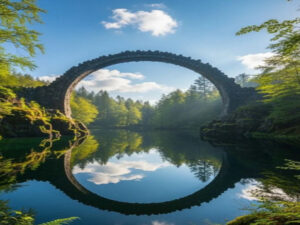
The regional character is closely linked to the natural environment. The Spreewald with its many rivers offers a unique habitat. Wide expanses of water and dense forests define the face of the area. The historical funding culture has also changed nature in the long term. This mixture of nature and human creation shapes the deep sense of home.
Cohesion in times of change
Deep cuts in the economy have changed people’s lives. These experiences created a strong awareness of mutual assistance. The population always demonstrated great adaptability to new circumstances. Today, people are confident and very active in shaping their future. The common past firmly binds the community together.
Multi-layered historical influences
The area combines different historical influences from different landscapes. Brandenburg, Saxony and Silesia left their clear traces here. Sorbian cultural history adds further facets to these elements. This resulted in the multi-layered and extremely interesting regional character. This historical depth is what makes the region so attractive.
The impact of local communities
The strong importance of home associations shapes social life. Village communities and regional cultural initiatives act as supporting pillars. These associations help keep local customs alive. The voluntary commitment of many helpers ensures the continuation of the traditions. Without this commitment, the cultural heritage would hardly be preserved.
The importance of the village structure
The village structure forms the backbone of social life. Neighbourly help and mutual support are part of everyday life. Such close ties create trust and security for all involved. The generations live close together and learn from each other. This togetherness strengthens the foundation of the entire society.
Culinary peculiarities of the region
The regional cuisine reflects the history of the landscape. Hearty dishes and traditional recipes determine the daily menu. Local produce provides the basis for these tasty dishes. Eating together at festivals promotes socialising with each other. People combine culinary delights in a delicious way.
The role of music and singing
Music and singing have an important place in cultural life. Choirs cultivate the Sorbian and German songs with great dedication. On festive occasions, old and new melodies sound. The sound of the instruments fascinates young and old alike. This musical diversity enriches the emotional feeling of the population.
Architectural evidence of the past
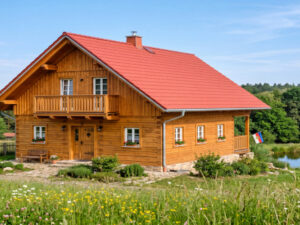
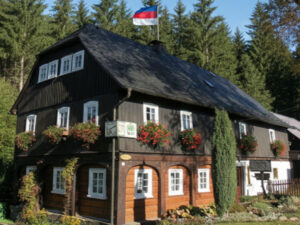
The buildings of the region tell of earlier eras. Old churches and historic courtyards have a lasting influence on the townscape. Careful restorations preserve these architectural treasures for posterity. The combination of old substance and modern use succeeds excellently. Such monuments are visible signs of durability.
The awakening of an independent self-image
At the end of the great world war, which rearranged the peoples of the earth, the Polish people awoke to a state of their own. At that time, the Poles formed their national identity out of a deep desire for freedom. This is exactly the path that the people of Lusatia are taking today. The people here develop a completely new and independent self-image from their cultural diversity.This process of inner discovery is strongly reminiscent of the historical awakening of the Poles.
The path to future independence
The population of Lusatia looks confidently into the coming years. The preservation of traditions goes hand in hand with modern development. Young families appreciate the high quality of life on site. The region remains attractive for people from near and far. This confidence is the best foundation for future generations.
Strengthening the regional soul
The regional soul is consolidated through shared experience and design. People are increasingly recognizing the value of their unique cultural mix. This new awareness radiates far beyond the borders of home. This makes Lusatia’s identity a shining example. The future belongs to those who know their roots and still look ahead.

 Screenshot youtube.com