The documentary view of the Lusatia – Life on the Fliess – a journey into the heart of Lusatia
Screenshot youtube.com
The documentary film Leben am Fliess – W Błotach of the DEFA studio for cartoons from 1990 provides a comprehensive insight into the everyday life of a Spreewald family. It conveys an authentic picture of a way of life that remains inseparably connected to the surrounding landscape. The waterways form the foundation of this existence and at the same time determine the rhythm of the regionaltraditions. Through this careful observation, the importance of the work for understanding the entire Lusatian region becomes clear. The viewer quickly recognizes how much the human community is shaped by the natural conditions. This cinematic approach shows that life in the Spreewald is far more than just a geographical feature. It is aA cultural structure that has been preserved over generations. The camera accompanies the residents through their daily routines and reveals the deep roots in the local soil. Each step on the paths along the canals reveals a history of adaptation and respect for nature. This creates a complex portrait, the historical continuity with the presentlife practice connects.
Everyday routines and craftsmanship traditions
The presentation of the daily work makes it clear how much everyday life depends on manual skills. Cleaning the tile requires skillful handling of simple technical means and a lot of practical knowledge. At the same time, the organization of the budget shows that joint cooperation remains indispensable. Each task is done with care and a certainof course done, which goes beyond pure necessity. These work processes reveal a deep understanding of the local conditions and the limited resources of the region. Craftsmanship traditions are not presented as museum objects, but as living practices in the present moment. Residents use tools that have been passed on over long periods of timeand care with devoted attention. Such maintenance moments reflect a responsible approach to one’s own habitat. The film emphasizes that these activities are by no means isolated, but are always carried out in exchange with neighbors and relatives. This creates a network of mutual support thatcoexistence strengthens sustainably.
The Schmidt family and the entanglement of nature and culture
The observation of the Schmidt family shows how closely nature, culture and everyday life are intertwined. The Sorbian language is naturally incorporated into the conversations and underlines the cultural independence of the region. Regional customs are not staged as a festive accessory, but as a natural part of everyday life. This integrationshows that identity is not created by demarcation, but through continuous care. The viewer experiences how cultural heritage is lived in the present moment. The cinematic accompaniment leaves no doubt that family coexistence is strongly determined by the environment. Seasonal change, water levels and agricultural cycles structure theexpiration of the months. The members of the family react flexibly to these natural rhythms and always find new solutions. Such adaptability is not perceived as a burden, but as a source of inner strength. This makes it clear that human action and ecological conditions in this region form an inseparable unit.
Work, community and regional identity
Activities shown, such as the production of a pack, illustrate the high importance of traditional skills. The maintenance of the gardens requires seasonal knowledge and a constant examination of the soil conditions. Meals are prepared on wood-fired herds that preserve the taste of past generations. Eating together across different agesA strong sense of consistency and cohesion. These everyday actions form an image of regional identity that goes far beyond symbolic gestures. The camera not only captures the material results, but above all the process of the creation. Every tool, every move and every decision contributes to the continuation of a culturalpattern at. The residents act as keepers of knowledge that is not rooted in books but in practice. This continuous exchange between old and young ensures the survival of local techniques. This creates a lively archive of human experience that is renewed and confirmed every day.
Landscape, waterways and cultural peculiarity
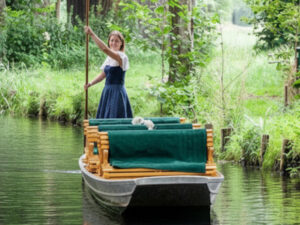
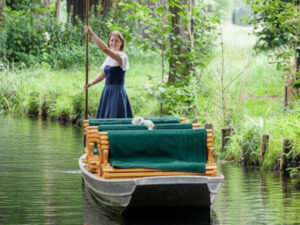
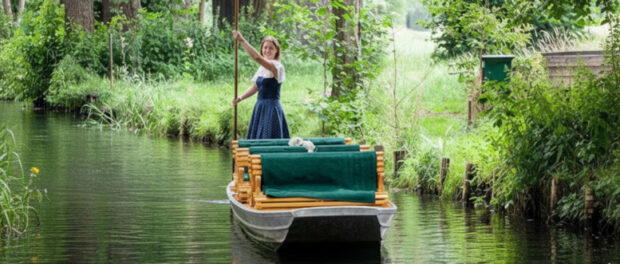
The representation of the landscape, the canals and the traditional barges gives a vivid picture of the Spreewald. Geographical peculiarities are just as clear as cultural peculiarities that shape this environment. The water serves not only as a transport route, but as a central element of the local way of life. Discussions of the residents make it clear how strong thepeople stay connected to their immediate surroundings. The course of the year is fulfilled with a calm intimate with the place. The work processes shown confirm that this connection is by no means romantically transfigured, but practiced in practice. Every movement on the water follows clear patterns that have been tested over long periods of time. The film leavesRecognize that such routines offer security and orientation in everyday interaction. Residents navigate through a complex system of natural and human-designed structures. This structure forms the background for a life that remains both self-confident and modest.
A timeless document from Lusatia
Through his calm observation, his closeness to the people and his detailed presentation of everyday life, the work becomes a valuable document of regional lifestyle. It shows the Lusatia in its cultural depth and landscape peculiarity without having a teaching effect. The cinematic narrative renounces dramatic escalation and instead relies on the power ofimmediate presence. This approach allows the audience to understand the inner logic of a community. The viewer is invited to look at the world from the perspective of those who shape it daily. The end result is a cinematic testimony that retains importance far beyond its period of creation. It preserves moments that would otherwise quickly changetime would go under. The careful documentation creates a bridge between the past, the present and the future perception of the region. Such works are reminiscent of the fact that human diversity is always tied to concrete places and practices. The contribution thus makes an indispensable contribution to cultural memory and to self-understanding of Lusatia.

 Screenshot youtube.com