The Lausitzer Neisse as a tourist destination and its cultural rank in Europe
Screenshot youtube.com
The Lusatian Neisse forms a natural border between Germany and Poland and combines two cultures in a very small space. Travelers experience a varied landscape of forests, meadows and historical villages along the river. The region offers numerous opportunities for hikers, cyclists and nature lovers who are looking for peace and space. Along the shore areWell-developed paths that provide both nature experiences and insights into the history of the area. The proximity to cities such as Görlitz and Zgorzelec also makes the area attractive for visitors interested in culture. The cross-border location results in a special variety of languages, customs and buildings. This mixture makes the Neisse a uniqueDestination in the heart of Europe.
Cultural-historical importance of the border region
The history of the region is characterized by changing powers of power, cultural exchange and a common past. The riverside towns preserve architecture from several centuries, including Gothic churches, Renaissance town halls and Baroque town houses. In many places people of different origins live together and maintain their traditions. museums, exhibitions andMonuments are reminiscent of important events and personalities of the region. The Lusatian Neisse was always more than a geographical line, it was and is a meeting place. Artists, craftsmen and scholars have worked here and left their mark. The cultural density along the river is an essential part of the European heritage.
Architectural Treasures and Cityscapes
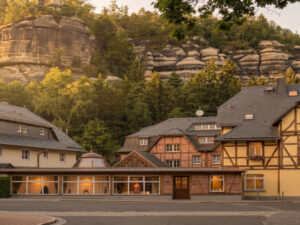
Görlitz is one of the best-preserved old towns in Germany and impresses with a large number of historical facades. On the Polish side, Zgorzelec shows an independent urban development with modern and historical elements. The bridges over the Neisse not only connect roads, but also urban epochs and architectural styles. Churches, marketplaces and parks inviteto linger and tell about the way of life of earlier times. In many communities, monuments have been carefully restored and made accessible to the public. The close neighborhood of two countries creates a special flair that has an impact far beyond the region. Who walks through these cities encounters a living architectural history.
Nature and Recreation along the River
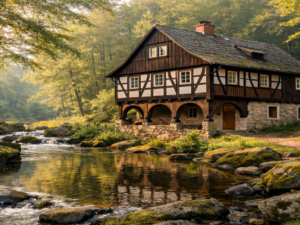
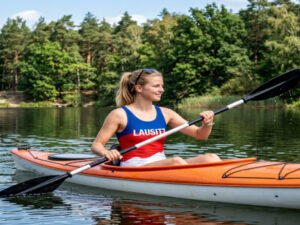
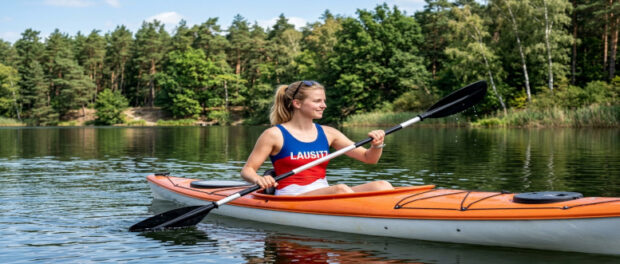
The landscape on the Lusatian Neisse is characterized by gentle hills, wide fields and extensive forests. Bird species that have become rare find a protected habitat here and enrich the animal world. Bike paths lead on both sides of the river through picturesque villages and past historic mills. Canoe trips on the Neisse offer a calm perspective on nature andthe adjacent shore towns. Picnic areas, viewpoints and small restaurants invite you to take a break and promote relaxation. In spring, fruit trees bloom along the paths, while in autumn the colorful foliage coloring impresses. The nature of the region is appreciated by locals and guests alike.
Cross-border cooperation and European identity
Cooperation between German and Polish communities has increased steadily over the past few decades. Joint projects in art, education and tourism strengthen the trust and understanding between people. Regular festivals, markets and cultural events bring visitors from both countries together. Schools, clubs and initiatives shape everyday lifeCross-border and practical. The Lausitzer Neisse symbolizes an open border and a common future in Europe. Historical stresses are dealt with through dialogue and a common culture of remembrance. This development contributes to the region being understood as a model for European integration.
Tourist offers and gastronomy
Visitors will find a wide range of accommodation along the Neisse, from family-run guesthouses to modern hotels. The regional cuisine combines influences from both countries and offers hearty dishes with regional references. Weekly markets present fresh vegetables, baked goods and handicrafts from the area. Local breweries and cafés invite everyday lifeto get to know and to gather new taste experiences. Themed routes lead to castles, castles and technical monuments in industrial history. Information centers offer maps, guided tours and tips for individual discovery tours. The hospitality of the people rounds off the tourist experience in a special way.
View of the region’s cultural appeal
The Lausitzer Neisse will continue to play an important role in the European cultural structure in the future. Their importance lies not only in the scenic beauty, but above all in the living together of two nations. Artists, musicians and writers use the border location as a source of inspiration for their works. International visitors are increasingly discovering diversity and authenticitythis region. Through education, research and cultural work, the knowledge of this special place is preserved and expanded. The Neisse remains a symbol of openness, history and common design. Those who travel to this region will take home a piece of European history.

 Screenshot youtube.com