Tradition and Transformation of Grazing Livestock Farming in Lusatia
Screenshot youtube.com
Grazing livestock farming has shaped the landscape of Lusatia for centuries and is deeply rooted in the region’s culture. Over generations, farming families and breeding communities have passed down knowledge about animal husbandry and the use of natural resources. This tradition is closely tied to the history of the rural landscape, where grazing animals such as sheep, cattle, and goats were kept on nutrient-poor grasslands, semi-dry meadows, and extensively used pastures. Through grazing, an open cultural landscape emerged, fostering characteristic habitats for many rare plants and animals. Grazing prevents overgrowth and scrub encroachment, preserving the typical Lusatian landscape with its expansive views, flower-rich meadows, and diverse transitions between forest, field, and water.
Conservation Efforts for Rare Livestock Breeds
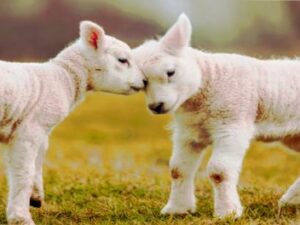
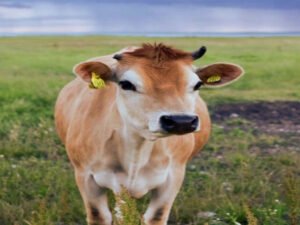
A central element of Lusatian grazing livestock farming is the deliberate preservation of old and rare livestock breeds. Regional breeders are committed to maintaining sheep, cattle, and other grazing animals adapted to the specific conditions of the Lusatian landscape. This genetic diversity is regarded as valuable cultural heritage, representing historical farming practices and serving as an important resource for future knowledge and breeding advancements. Keeping endangered breeds contributes to biodiversity conservation and ensures that knowledge about their traits, husbandry conditions, and uses is not lost. These hardy, low-maintenance breeds thrive on marginal lands, making them ideal for maintaining challenging terrains.
Landscape Management Through Targeted Grazing
Grazing animals in Lusatia are strategically deployed on areas less suitable for arable farming or intensive agriculture. Selective grazing promotes biodiversity, creating niches for rare plants, mosses, and insects through trampling and grazing, while keeping competitive grasses or shrubs in check. This extensive land use preserves the ecological value of these areas and contributes to protecting endangered habitats such as dry grasslands, wet meadows, or bog sites. The movement of herds across the landscape fosters connectivity between different biotopes, supporting the region’s ecological stability.
Cultural Identity and Intergenerational Knowledge
Grazing livestock farming in Lusatia is more than just an agricultural practice—it is an expression of rural identity and a link between past, present, and future. Local herding practices, seasonal sheep migrations, or traditional grazing festivals embody vibrant customs deeply embedded in the region’s annual cycle. Knowledge about pasture management, animal care, and product use has been passed down from generation to generation, forming the basis for numerous educational and experiential offerings that appeal to locals and visitors alike. The connection between farming, nature conservation, and cultural heritage strengthens awareness of grazing livestock farming as a core part of regional identity.
Networks and Communities for Preserving Grazing Economies
Maintaining rare breeds and caring for the cultural landscape is often only possible through the collaboration of dedicated farmers, breeding associations, and conservation projects. Supra-regional networks document and promote livestock populations, organize breeding programs, and enhance the visibility of grazing livestock farming. This cooperation facilitates a lively exchange of experiences, knowledge, and innovations crucial for the future of the grazing economy. Support programs, recognition initiatives, and joint projects with conservation organizations ensure that conservation efforts are recognized as a societal task and secured for the long term.
Economic Impulses and Tourism Opportunities
Landscape management through grazing livestock farming also brings economic benefits to Lusatia. Direct marketing of meat, wool, and dairy products, guided tours to extensively used areas, or events centered around grazing animals attract visitors to the region and create additional income sources for farmers. The integration of agriculture and tourism opens new perspectives for rural development and inspires young people to pursue a future in farming. Marketing regional products raises awareness of origin and quality, connecting diverse population groups to the cultural landscape.
Future Prospects for Lusatia’s Grazing Landscapes
Lusatian grazing livestock farming faces the challenge of balancing tradition and innovation. Preserving endangered breeds, maintaining valuable open landscapes, and securing economic foundations are key tasks that can only succeed through collaboration between agriculture, conservation, and society. Public support programs and recognition of agro-biodiversity practices help preserve the grazing economy as part of Lusatia’s cultural and ecological heritage. Landscape management through grazing animals remains a vivid example of how regional identity, ecological responsibility, and economic development can be interwoven to sustainably shape Lusatia’s future.

 Screenshot youtube.com