The Auerhuhn in Lusatia – a symbol of the value of ancient forests
Screenshot youtube.com
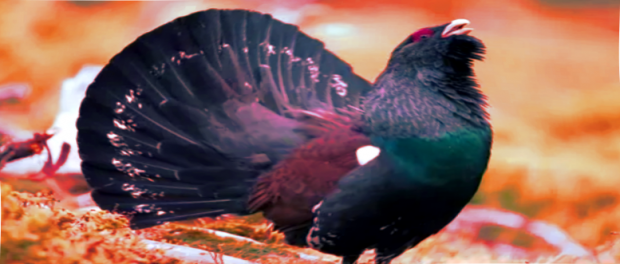
The Lusatia, a diverse landscape with extensive pine and mixed forests, is home to numerous animal species, but the capercaillie occupies a very special position among them. As the largest chicken bird in Central Europe, it stands like no other animal for the originality and quality of the forests in this region. Its presence is closely linked to the condition and structureof the local forests, so that the occurrence of the capercaillie is often considered a measure of the ecological health of entire forest landscapes.
Historical development and decline in population
In Lusatia, the capercaillie was an integral part of the natural fauna for a long time. However, with the progressive change in land use, especially through intensive forestry, loss of space and changes in the forest structure, the population declined dramatically. For many years, the species was even considered lost in parts of the region. This makes it clear howThe capercaillie reacts to changes in its habitat and how quickly whole stocks can disappear if the conditions are no longer right.
Reintroduction and protective measures
The return of the capercaillie after the time of absence is primarily due to the commitment of various actors. First successes were achieved with targeted resettlement programs, including the release of animals from Scandinavia. At the same time, existing and potentially suitable forest areas were networked with each other in order to provide the animals with sufficient habitatoffer. These measures show that species protection not only remains a vision, but can also produce noticeable results through consistent action.
Habitat demands and challenges
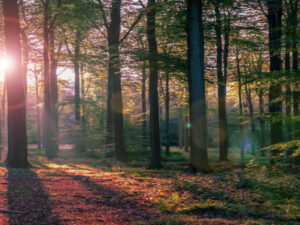
The grouse places very special demands on its surroundings. It needs structurally rich, older forests with open areas, a varied herb layer and sufficient coverage through bushes and hedges. Monotonous or too dense stocks offer the bird neither enough food nor suitable places of retreat. Forest practice is therefore faced with the task of diversity andmixing to create and maintain suitable living conditions for the capercaillie.
Disturbances and protected areas
Another problem for the capercaillie is human disorders. Leisure activities, road traffic and uncoordinated interventions in sensitive areas such as breeding or courting courts lead to the animals retreating or giving up locations altogether. protected areas alone are not enough; Clear rules and coordinated management are needed to protect these sensitiveway of making it effective. Only if retreats are respected can the capercaillie in Lusatia permanently assert itself.
Cooperation and model character
The preservation of the capercaillie in Lusatia connects different interest groups. Nature conservation associations, forestry offices, private forest owners and communities work together on sustainable solutions. This cooperation is exemplary of modern landscape planning, in which ecological, economic and social aspects are brought together. The protection of the capercaillie can thus be used as a model forFurther projects serve and show how big goals can be achieved through joint action.
Importance for region and identity
In addition to pure species protection, the Auerhuhn also has cultural and tourist importance for Lusatia. His return is perceived by many people as a sign of a healthy, lively landscape and strengthens regional self-confidence. Events, educational offers and nature tourism projects around the Auerhuhn contribute to the awareness of the valueto sharpen intact forests and further strengthen the connection between people and their homeland.
view
The fate of the capercaillie in Lusatia is symbolic of the challenges and possibilities in modern nature conservation. The species teaches how important it is to preserve habitats, promote diverse structures and take the needs of sensitive animals into account. At the same time, the history of the resettlement shows that commitment, cooperation and the will tochange can bring about a positive turn. The capercaillie remains a shining example of lived nature conservation and the special importance of old forests in Lusatia.

 Screenshot youtube.com